1. Introduction
Titanium powder is a critical material in modern engineering, valued for its exceptional strength-to-density ratio, corrosion resistance, and biocompatibility. As industries increasingly adopt additive manufacturing and high-performance alloys, demand for high-quality titanium powder—particularly spherical and gas-atomized grades—has surged. This article provides a detailed, professional overview of titanium powder, covering its types, applications, pricing dynamics, and key considerations for procurement.
2. What Is Titanium Powder?
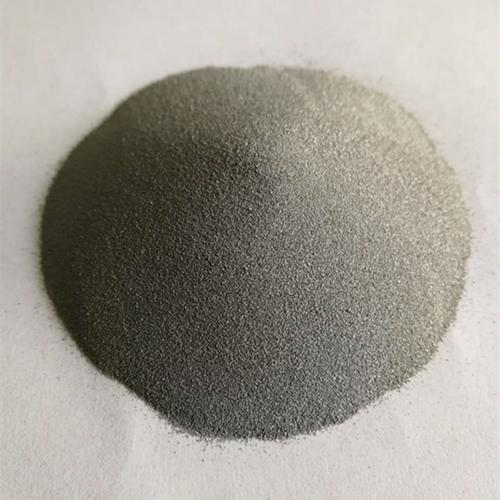
Titanium powder refers to finely divided particles of elemental titanium or titanium-based alloys. It appears as a grayish metallic dust and is commonly produced through processes like hydride-dehydride (HDH), gas atomization, or plasma rotating electrode methods. Unlike titanium dioxide (TiO2) powder—which is a white pigment used in cosmetics and paints—titanium metal powder is conductive, reactive under certain conditions, and suitable for structural applications.
- Pure titanium powder is used in chemical processing and medical implants.
- Titanium alloy powder, such as Ti6Al4V (also known as Ti64), enhances mechanical properties for aerospace and defense uses.
- Specialized variants include titanium nitride powder, titanium carbide powder, and titanium diboride (TiB2) powder, each serving niche roles in coatings and composites.
3. Production Methods of Titanium Powder
3.1 Gas Atomized Titanium Powder
Gas atomization produces spherical titanium powder ideal for 3D printing due to its excellent flowability and high packing density. This method involves melting titanium under inert atmosphere and disintegrating the melt stream with high-pressure gas, yielding uniform, low-oxygen particles.
3.2 HDH Titanium Powder
The hydride-dehydride (HDH) process creates irregularly shaped titanium powder at lower cost but higher oxygen content. While less suitable for high-end additive manufacturing, HDH powder is widely used in powder metallurgy and as a precursor for other titanium compounds.
3.3 Other Forms
Additional forms include titanium nanopowder, TiH2 powder (titanium hydride, used as a foaming agent), and burnt titanium powder coat residues—though the latter is not a commercial product but rather a byproduct of thermal processes.
4. Key Applications of Titanium Powder
4.1 Titanium Powder for 3D Printing
Additive manufacturing has revolutionized the use of titanium powder. Spherical titanium 3D printing powder—especially Ti6Al4V powder—is essential for producing lightweight, complex components in aerospace, biomedical implants, and motorsports. The quality requirements are stringent, necessitating low impurity levels and consistent particle size distribution.
4.2 Industrial and Chemical Uses
Beyond 3D printing, titanium powder uses span pyrotechnics (e.g., titanium flash powder), catalysts, and metal injection molding. Titanium-coated diamond powder leverages titanium’s bonding properties in abrasive tools.
4.3 Comparison with Related Powders
While titanium powder serves structural roles, TiO2 nano powder functions as a UV blocker or whitening agent. Similarly, titanium boride powder and titanium carbide powder are ultra-hard ceramics used in cutting tools—not to be confused with ductile titanium metal powder.
5. Pricing and Market Considerations
5.1 Titanium Powder Price Factors
The titanium powder price per kg varies significantly based on purity, morphology, and alloy composition. Pure titanium powder may cost $100–$300/kg, while high-spec spherical Ti6Al4V powder for 3D printing can exceed $400/kg. Key variables include production method (gas atomized > HDH), oxygen content, and certification standards (e.g., ASTM F1580).
5.2 Titanium Powder for 3D Printing Price Trends
The titanium powder for 3D printing price remains elevated due to energy-intensive production and strict quality control. However, economies of scale and recycling initiatives are gradually reducing costs. Buyers should compare ti6al4v powder price quotes from certified titanium powder suppliers to ensure value and compliance.
5.3 Where to Buy Titanium Powder

Reputable titanium powder suppliers include international titanium powder producers in the U.S., Germany, China, and Japan. When looking to buy titanium powder, verify certifications, particle size analysis, and traceability—especially for critical applications like medical devices.
6. Related Advanced Metal Powders
6.1 Molybdenum and Tungsten Powders
While distinct from titanium, molybdenum powder (moly powder) and tungsten powder are often discussed in similar contexts due to their refractory properties. Molybdenum metal powder, MoS2 powder (molybdenum disulfide), and TZM powder serve in high-temperature furnaces and lubrication. Similarly, tungsten powder—available as pure tungsten powder, spherical tungsten powder, or fused tungsten carbide—is used in radiation shielding, filaments, and wear-resistant coatings.
6.2 Market Overlap
Suppliers of titanium powder often also offer molybdenum powder for sale, tungsten carbide powder for sale, and related products like tungsten disulfide (WS2) powder. Global players such as Global Tungsten & Powders Corporation cater to diverse industrial sectors requiring high-density, heat-resistant materials.
7. Safety and Handling
Titanium dust can be pyrophoric in fine form, especially when dry and dispersed in air. Proper handling under inert atmosphere and adherence to OSHA guidelines are essential. Unlike TiO2 powder—which raises regulatory questions in food and cosmetics—titanium metal powder poses primarily physical (combustion) rather than toxicological risks.
8. Conclusion
Titanium powder is a versatile and strategically important material driving innovation in aerospace, healthcare, and advanced manufacturing. Understanding its types—from HDH titanium powder to spherical Ti64 powder—and associated costs like titanium metal powder price or 3d printing titanium powder price empowers informed procurement decisions. As additive manufacturing expands, collaboration with reliable titanium powder suppliers will remain crucial for accessing high-performance, certified materials.
Our Website founded on October 17, 2012, is a high-tech enterprise committed to the research and development, production, processing, sales and technical services of ceramic relative materials such as 10. Our products includes but not limited to Boron Carbide Ceramic Products, Boron Nitride Ceramic Products, Silicon Carbide Ceramic Products, Silicon Nitride Ceramic Products, Zirconium Dioxide Ceramic Products, etc. If you are interested, please feel free to contact us.