1. Introduction
In a significant development reported just 48 hours ago, the U.S. Department of Commerce announced new export controls on high-purity titanium powder used in aerospace and defense applications, citing national security concerns. This move has immediately impacted global supply chains and intensified scrutiny on titanium powder sourcing, particularly for additive manufacturing. Against this backdrop, understanding the properties, uses, and market landscape of titanium powder has never been more critical for engineers, manufacturers, and procurement specialists.
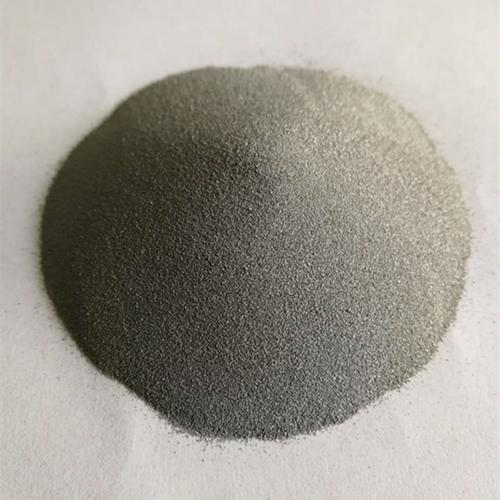
Titanium powder—often referred to as Ti powder—is a versatile advanced material prized for its high strength-to-density ratio, corrosion resistance, and biocompatibility. Unlike bulk titanium, its powdered form enables innovative manufacturing techniques, especially in 3D printing and powder metallurgy. This article delivers a detailed, up-to-date overview of titanium powder, including its types, applications, pricing, and key suppliers.
2. What Is Titanium Powder?
Titanium powder is a fine particulate form of titanium metal or its alloys, produced through various methods such as gas atomization, plasma rotating electrode process (PREP), or hydride-dehydride (HDH). The resulting powder can be irregular or spherical, with particle sizes ranging from nanometers to over 100 microns. Pure titanium powder is commonly used in chemical and medical applications, while titanium alloy powder—especially Ti6Al4V (also known as Ti64)—dominates aerospace and biomedical sectors.
It is important to distinguish titanium metal powder from titanium dioxide (TiO2) powder, which is a white pigment used in paints, sunscreens, and food additives. While both contain titanium, their chemical structures and applications differ significantly. TiO2 nano powder, for instance, is valued for UV-blocking properties, not structural performance.
3. Production Methods and Powder Types
3.1 Gas Atomized Titanium Powder
Gas atomized titanium powder is produced by melting titanium under vacuum or inert atmosphere and disintegrating the molten stream with high-pressure argon or nitrogen gas. This yields highly spherical particles ideal for titanium powder additive manufacturing due to excellent flowability and packing density. Spherical titanium powder is the preferred choice for laser powder bed fusion (LPBF) and electron beam melting (EBM) processes.
3.2 HDH Titanium Powder
The hydride-dehydride (HDH) method involves hydrogenating titanium sponge to form brittle TiH2 powder, which is then milled and dehydrogenated. HDH titanium powder is angular and less expensive than gas-atomized variants, making it suitable for pressing and sintering but less optimal for high-precision 3D printing.
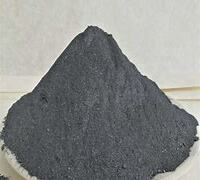
Other specialized forms include titanium nitride powder (used in coatings for hardness), titanium carbide powder (for cutting tools), and titanium diboride (TiB2) or titanium boride powder (employed in composites and armor). Titanium flash powder—a pyrotechnic mixture—is unrelated to industrial metal powders and should not be confused with standard titanium dust used in manufacturing.
4. Key Applications of Titanium Powder
4.1 Titanium Powder for 3D Printing
Additive manufacturing has revolutionized the use of titanium powder. Titanium 3D printing powder—particularly Ti6Al4V powder—is widely used to produce lightweight, complex components for jet engines, prosthetics, and dental implants. The demand for titanium powder for 3D printing continues to grow, driven by aerospace innovation and personalized medical devices.
4.2 Industrial and Chemical Uses
Beyond 3D printing, titanium powder uses span catalysts, pyrotechnics, and metallurgical additives. Burnt titanium powder coat residues may appear in welding fumes, requiring proper ventilation due to potential respiratory hazards from titanium dust.
Emerging applications include titanium-coated diamond powder for abrasives and titanium nanopowder in energy storage. Notably, titanium diboride price trends reflect its growing role in aluminum smelting and wear-resistant coatings.
5. Pricing and Market Considerations
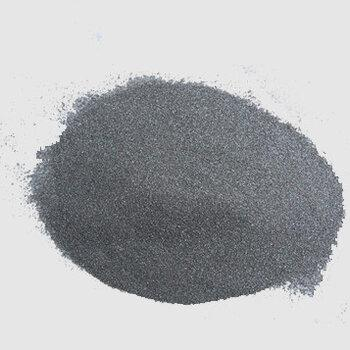
Titanium powder price varies significantly based on purity, particle size, morphology, and alloy composition. As of mid-2024, titanium powder price per kg ranges from $80–$150 for HDH-grade pure titanium powder to $300–$600/kg for high-sphericity Ti6Al4V powder suitable for aerospace 3D printing. Consequently, titanium powder for 3D printing price remains a major cost factor in additive manufacturing projects.
Factors influencing titanium metal powder price include raw material costs (e.g., titanium sponge), processing complexity, and geopolitical supply constraints. Buyers seeking to buy titanium powder should compare offerings from reputable titanium powder suppliers such as Allegheny Technologies, VSMPO-AVISMA, and international titanium powder producers in Europe and Asia.
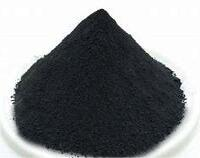
For context, alternatives like molybdenum powder and tungsten powder serve different niches. Molybdenum metal powder (including MoS2 powder and TZM powder) is used in high-temperature furnaces, while tungsten powder—sourced from companies like Global Tungsten & Powders Corporation—offers extreme density and heat resistance. Tungsten carbide powder price per kg often exceeds that of titanium, reflecting its hardness and wear applications.
6. Safety, Handling, and Procurement Tips
While titanium powder is not water-reactive under normal conditions, fine titanium dust can be pyrophoric—igniting spontaneously in air when particle size is below 50 microns. Proper storage in inert atmospheres and adherence to OSHA guidelines are essential. Always verify material safety data sheets (MSDS) before handling.
When looking to buy titanium powder for sale, prioritize certified suppliers who provide traceable chemistry, particle size distribution, and oxygen content data. Request samples to evaluate flowability and compatibility with your specific process, whether it’s sintering, thermal spraying, or additive manufacturing.
7. Conclusion
Titanium powder remains a cornerstone material in advanced manufacturing, with expanding roles in aerospace, healthcare, and energy. Understanding the distinctions between pure titanium powder, Ti64 powder, and specialty compounds like titanium nitride or carbide is crucial for optimal application. As regulatory and market dynamics evolve—such as recent export restrictions—staying informed about titanium powder cost, quality standards, and reliable titanium powder suppliers will be key to maintaining competitive advantage in high-tech industries.
Our Website founded on October 17, 2012, is a high-tech enterprise committed to the research and development, production, processing, sales and technical services of ceramic relative materials such as 10. Our products includes but not limited to Boron Carbide Ceramic Products, Boron Nitride Ceramic Products, Silicon Carbide Ceramic Products, Silicon Nitride Ceramic Products, Zirconium Dioxide Ceramic Products, etc. If you are interested, please feel free to contact us.