1. Introduction
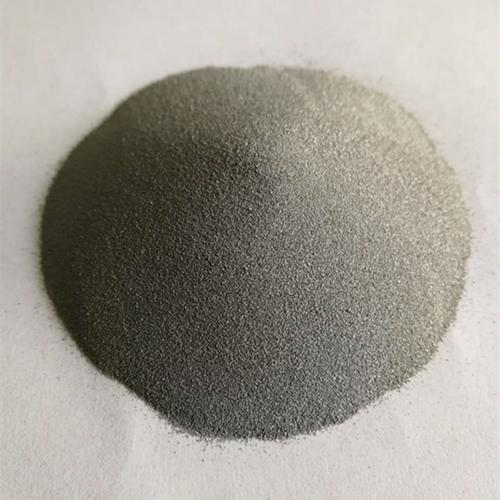
Let’s be honest: when you hear “titanium,” you probably think of fighter jets, luxury watches, or that one friend who insists their bike frame is “aerospace-grade.” But did you know that much of modern titanium magic starts as… powder? Not the kind you put on your nose—though titanium dioxide (TiO2) powder *is* in some cosmetics—but fine, reactive, sometimes pyrophoric metal dust that engineers treat like liquid gold. Welcome to the weird, wonderful world of titanium powder, where price tags rival fine wine and applications range from hip replacements to hypersonic missiles.
2. What Exactly Is Titanium Powder?
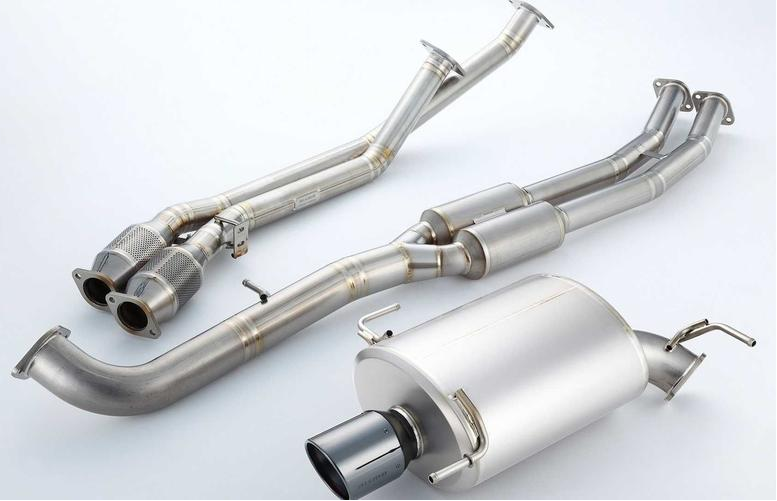
Titanium powder—often abbreviated as Ti powder—is exactly what it sounds like: titanium metal ground, atomized, or chemically reduced into tiny particles. Unlike your average kitchen spice, this stuff doesn’t come in shaker bottles. It’s produced through methods like gas atomization (for smooth, spherical grains perfect for 3D printing) or the HDH process (Hydride-Dehydride), which yields irregular, angular particles better suited for pressing and sintering. And no, you can’t just grind down a titanium spoon—unless you enjoy explosions. Titanium dust is notoriously reactive, especially in fine form, and can ignite spontaneously in air. So please, don’t try this at home.
3. The Many Flavors of Ti Powder
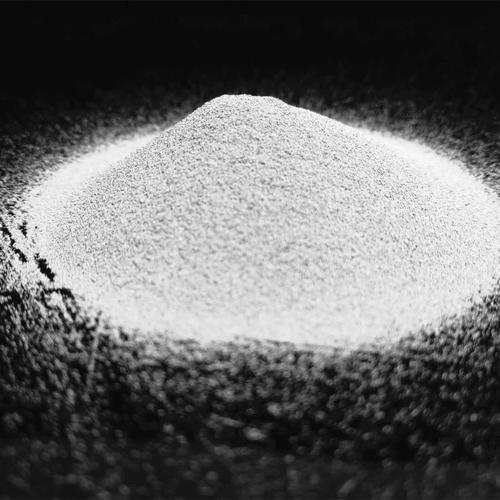
Not all titanium powder is created equal. In fact, the market offers a veritable buffet of variants, each tailored for specific high-stakes applications. Pure titanium powder (Grade 1 or 2) is used where corrosion resistance matters more than strength. Then there’s the superstar alloy: Ti6Al4V powder (also called Ti64 powder), which mixes titanium with aluminum and vanadium for superior strength-to-weight ratio—making it the go-to for titanium powder for 3D printing in aerospace and medical implants. Beyond that, you’ve got niche players like titanium nitride powder (hard coatings), titanium carbide powder (cutting tools), and even titanium diboride powder (TiB2 powder)—a ceramic-metal hybrid so tough it laughs at molten metal. And yes, there’s such a thing as titanium flash powder, but unless you’re building pyrotechnics (not recommended), steer clear.
4. Why Price Tags Vary Wildly
If you’ve ever searched ‘titanium powder price per kg,’ you might have choked on your coffee. Prices can range from $50 to over $500 per kilogram! Why? It depends on purity, particle shape, production method, and alloy composition. Spherical titanium powder made via gas atomization costs more than HDH titanium powder because it flows better in additive manufacturing machines. Similarly, Ti6Al4V powder price is higher than pure titanium metal powder due to added alloying elements and tighter quality controls. And let’s not forget ‘titanium powder for 3D printing price’—a premium segment where consistency is non-negotiable. Always check with a reputable titanium powder supplier before hitting ‘buy titanium powder’ online; cheap deals often mean contaminated or irregular batches.
5. Titanium Powder Uses: More Than Just Fancy Paperweights
So what do we actually *do* with this expensive dust? Plenty. Titanium powder uses span industries: in additive manufacturing (aka 3D printing titanium powder for custom jet engine parts), in metal injection molding for surgical tools, as a reducing agent in chemical processes, and even in pyrotechnics (again, don’t). Burnt titanium powder coat? That’s usually an oxide layer formed during high-temp processing—not something you’d spray on your car. Meanwhile, TiO2 nano powder is a whole different beast: used in sunscreens, paints, and food (yes, some powdered sugar contains titanium dioxide, though that’s unrelated to metallic Ti powder).
6. A Quick Detour: Molybdenum and Tungsten Powders
While we’re on the topic of high-performance metal powders, let’s tip our hats to molybdenum powder and tungsten powder. Moly powder (including MoS2 powder, aka molybdenum disulfide powder) is a dry lubricant used in extreme temps—think spacecraft and race engines. Tungsten powder, denser than lead and nearly as hard as diamond, powers everything from radiation shields to tungsten carbide powder for drill bits. Global Tungsten & Powders Corporation and other suppliers cater to industries where failure isn’t an option. Though not titanium, these powders often share supply chains and applications—especially in high-temp alloys like TZM powder (titanium-zirconium-molybdenum).
7. Where to Buy (and What to Watch Out For)
Looking to buy titanium powder? Reputable titanium powder suppliers include companies like Allegheny Technologies, Carpenter Technology, and international players offering ‘international titanium powder’ with full certification. Always verify specs: particle size distribution, oxygen content, and flowability matter immensely—especially for titanium powder additive manufacturing. Beware of vague listings like ‘titanium powder for sale’ without technical data sheets. And if someone’s selling ‘titanium coated diamond powder’ at a suspiciously low titanium powder cost, run. Fast.
8. Conclusion
Titanium powder may sound like sci-fi jargon, but it’s very real—and very vital to modern tech. Whether you’re engineering next-gen aircraft, printing custom prosthetics, or just curious why your sunscreen lists ‘titanium dioxide,’ understanding the nuances of Ti powder helps separate hype from hardware. So next time you hear ‘titanium,’ remember: it probably started as dust—expensive, finicky, and absolutely essential.
Our Website founded on October 17, 2012, is a high-tech enterprise committed to the research and development, production, processing, sales and technical services of ceramic relative materials such as 10. Our products includes but not limited to Boron Carbide Ceramic Products, Boron Nitride Ceramic Products, Silicon Carbide Ceramic Products, Silicon Nitride Ceramic Products, Zirconium Dioxide Ceramic Products, etc. If you are interested, please feel free to contact us.