1. Introduction
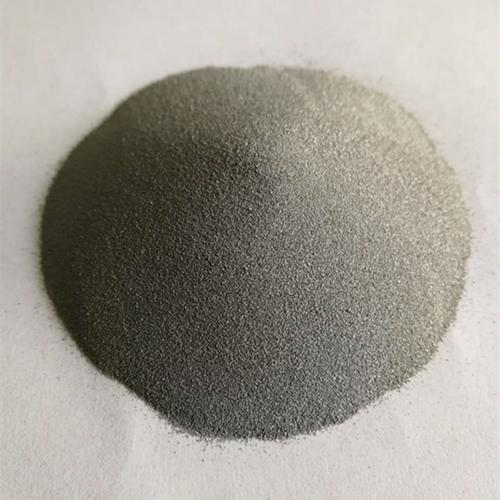
Whether you’re into 3D printing, metallurgy, or advanced materials research, titanium powder (often called ti powder) is a game-changer. But if you’ve ever tried to navigate the world of titanium metal powder, you know it’s not as simple as clicking ‘Add to Cart.’ Confusing alloy names, wildly varying titanium powder price per kg quotes, and safety myths can trip up even seasoned buyers. In this guide, we’ll walk through the seven most common problems people encounter with titanium powder—and how to solve them fast.
2. Problem #1: Confusion Over Alloy Types and Grades
Not all titanium powder is created equal. You’ll often see terms like pure titanium powder, ti6al4v powder (also known as ti64 powder), and hdh titanium powder. Each serves different purposes.
- Pure titanium powder is ideal for chemical applications or biocompatible implants.
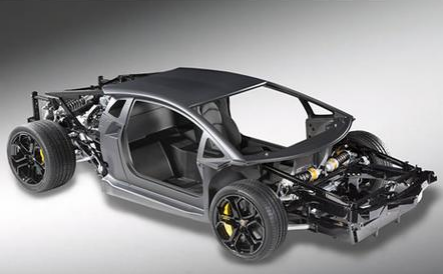
- Ti6al4v powder is the go-to for aerospace and medical 3D printing due to its strength-to-weight ratio.
- HDH (Hydride-Dehydride) titanium powder is cheaper but less spherical—great for pressing and sintering, not ideal for high-end additive manufacturing.
Solution: Match the powder type to your application. For titanium powder for 3d printing, always choose gas atomized, spherical titanium powder like ti6al4v powder. Check certifications and particle size distribution before buying.
3. Problem #2: Wildly Fluctuating Titanium Powder Price
You might see titanium powder price per kg ranging from $50 to over $500. Why such a gap? It depends on purity, particle shape, production method (gas atomized vs. HDH), and whether it’s an alloy like ti6al4v.
For example, titanium powder for 3d printing price is higher because it requires strict control over oxygen content and spherical morphology. Meanwhile, tio2 powder (titanium dioxide) is much cheaper but not metallic—it’s used in paints, sunscreens, and food.
Solution: Always clarify what you’re actually buying. If you need titanium metal powder for additive manufacturing, don’t confuse it with tio2 nano powder. Request detailed specs and compare quotes from multiple titanium powder suppliers.
4. Problem #3: Difficulty Finding Reliable Suppliers
The market is flooded with sellers claiming to offer ‘high-quality titanium powder for sale,’ but quality varies drastically. Some may even mislabel molybdenum powder or tungsten powder as titanium-based products.
Solution: Stick to reputable titanium powder suppliers with ISO certifications and experience in your industry. Look for companies that specialize in spherical titanium powder and provide material test reports (MTRs). Avoid ultra-low prices—they often signal contamination or incorrect alloy composition.
5. Problem #4: Safety Concerns Around Titanium Dust
Many worry that titanium powder is pyrophoric or water-reactive. While fine titanium dust can ignite under specific conditions (especially in air with high surface area), properly handled commercial titanium powder is generally safe.
However, never treat it like regular metal shavings. Store in sealed, inert containers away from sparks or oxidizers.
Solution: Use proper PPE (gloves, respirators), work in well-ventilated areas, and follow NFPA guidelines for combustible metals. Never mix titanium flash powder (a pyrotechnic mix) with standard ti powder—it’s a completely different product.
6. Problem #5: Mixing Up Titanium Compounds
It’s easy to confuse titanium metal powder with other titanium-based powders like titanium nitride powder, titanium carbide powder, titanium diboride powder (tib2 powder), or even burnt titanium powder coat residue.
These compounds have niche uses—e.g., titanium boride powder in cutting tools, titanium carbide in wear-resistant coatings—but they’re not substitutes for pure or alloyed titanium powder in 3D printing or metallurgy.
Solution: Double-check the chemical formula. Ti = elemental titanium. TiO2 = titanium dioxide. TiB2 = titanium diboride. If your project requires titanium powder additive manufacturing, you need Ti or Ti6Al4V—not TiO2 or TiN.
7. Problem #6: Uncertainty About Alternatives Like Molybdenum or Tungsten Powders
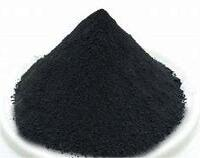
Sometimes users consider molybdenum powder (moly powder) or tungsten powder as alternatives due to cost or availability. While molybdenum disulfide powder (mos2 powder) and tungsten carbide powder have their own strengths (e.g., high-temp stability), they don’t replicate titanium’s light weight or corrosion resistance.
Global tungsten & powders corporation and other major suppliers offer high density tungsten powder, but it’s denser and heavier—unsuitable for weight-sensitive aerospace parts.
Solution: Only substitute if your application truly allows it. For most titanium powder uses—especially in biomedical or aviation contexts—there’s no direct replacement.
8. Problem #7: Misunderstanding Pricing for Specialty Powders
You might search for ‘titanium powder price’ and get results for tih2 powder (titanium hydride), titanium nanopowder, or even titanium coated diamond powder. These are specialty materials with unique pricing structures.
For instance, titanium diboride price can exceed $100/kg, while standard gas atomized titanium powder for 3d printing might cost $300–$600/kg depending on volume and certification.
Solution: Be specific in your search. Use exact terms like ‘ti6al4v powder price’ or ‘3d printing titanium powder price’ to get accurate quotes. Ask suppliers for breakdowns by batch, purity, and particle size.
9. Conclusion
Buying and using titanium powder doesn’t have to be overwhelming. By understanding the differences between pure titanium powder, alloys like ti64, and unrelated compounds like tio2 powder, you’ll avoid costly mistakes. Always verify supplier credentials, prioritize safety with titanium dust, and match the powder type to your end use—especially if you’re investing in titanium powder for 3d printing. With these tips, you’ll confidently navigate the market and get the right material at the right titanium powder cost.
Our Website founded on October 17, 2012, is a high-tech enterprise committed to the research and development, production, processing, sales and technical services of ceramic relative materials such as 7. Our products includes but not limited to Boron Carbide Ceramic Products, Boron Nitride Ceramic Products, Silicon Carbide Ceramic Products, Silicon Nitride Ceramic Products, Zirconium Dioxide Ceramic Products, etc. If you are interested, please feel free to contact us.