1. Introduction
Titanium powder is no longer just a lab curiosity—it’s a critical material in aerospace, medical implants, additive manufacturing, and even pyrotechnics. But if you’ve ever tried to buy titanium powder or use it in a project, you’ve likely run into confusion over grades, prices, or safety concerns. With terms like ‘gas atomized titanium powder,’ ‘Ti64 powder,’ or ‘titanium nanopowder’ flying around, it’s easy to feel overwhelmed. This guide cuts through the noise with seven real-world problems and clear, step-by-step solutions.
2. Problem: Confusion Over Titanium Powder Types and Grades
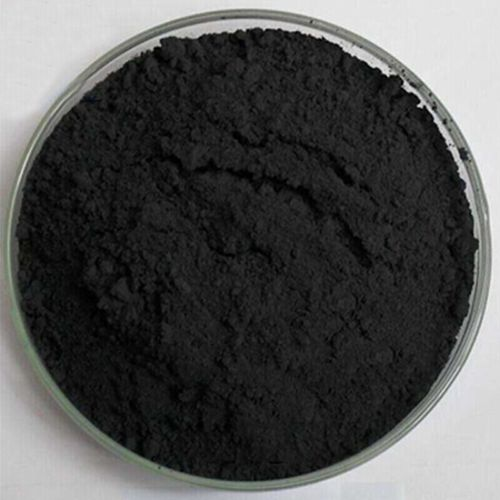
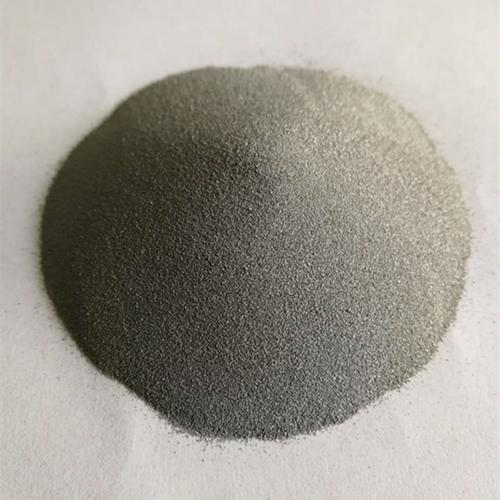
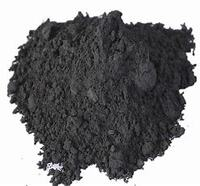
Not all titanium powder is the same. You might need pure titanium powder for research, Ti6Al4V powder for 3D printing, or titanium carbide powder for hard coatings. Mixing them up can ruin your project or even create safety hazards.
- For 3D printing, always choose spherical titanium powder (often gas atomized) like Ti6Al4V (also called Ti64). It flows better and sinters evenly.
- For chemical applications, TiO2 nano powder or titanium dioxide powder may be what you actually need—not metallic titanium powder.
- Avoid using titanium flash powder or burnt titanium powder coat residues in industrial processes—they’re not standardized and can be unstable.
3. Problem: Sky-High or Misleading Titanium Powder Price Quotes
You’ve probably searched ‘titanium powder price per kg’ and found quotes ranging from $50 to over $500. Why such variation? It depends on purity, particle size, morphology (spherical vs. irregular), and production method (HDH vs. gas atomization).
Solution: Always specify your exact requirements before requesting a quote. Ask suppliers for:
- Certification of composition (e.g., ASTM B988 for Ti6Al4V powder)
- Particle size distribution (e.g., 15–45 µm for laser powder bed fusion)
- Oxygen content (lower = higher quality and cost)
Compare titanium powder price only among equivalent grades—don’t compare HDH titanium powder to gas atomized spherical powder; they serve different purposes.
4. Problem: Difficulty Finding a Reliable Titanium Powder Supplier
Many online vendors claim to sell ‘titanium metal powder for sale,’ but lack certifications or consistent quality control. This is especially risky for critical applications like medical or aerospace 3D printing.
Solution: Stick with established titanium powder suppliers who provide material test reports (MTRs) and specialize in additive manufacturing. Look for ISO-certified companies that also handle related materials like molybdenum powder or tungsten powder, as this often indicates broader metallurgical expertise. International titanium powder distributors with global logistics are preferable for large-volume orders.
5. Problem: Safety Risks from Improper Handling of Titanium Dust
Fine titanium powder is flammable and can be pyrophoric—meaning it ignites spontaneously in air under certain conditions. Many users don’t realize that even small amounts of titanium dust pose explosion risks.
Always follow these safety steps:
- Store in sealed, inert-atmosphere containers (argon or nitrogen)
- Use explosion-proof equipment in processing areas
- Never mix with oxidizers unless in a controlled reaction (e.g., thermite)
- Wear proper PPE: respirators, anti-static clothing, and eye protection
Note: TiH2 powder (titanium hydride) is sometimes used as a safer alternative in some sintering processes because it’s less reactive until heated.
6. Problem: Confusing Titanium Powder with Similar-Sounding Materials
It’s easy to mix up titanium powder with other powders like molybdenum disulfide powder (MoS2), tungsten carbide powder, or even TiO2 powder. Each has completely different uses.
- Titanium dioxide powder (TiO2) is a white pigment—used in sunscreen, paints, and food—not a metal.
- Molybdenum powder and tungsten powder are refractory metals used in high-temp applications but aren’t substitutes for titanium.
- Titanium nitride powder and titanium diboride powder (TiB2) are ceramics for coatings, not for melting or printing like titanium alloy powder.
Always double-check the chemical formula and intended application before purchasing.
7. Problem: Uncertainty About Titanium Powder for 3D Printing Price vs. Value
You’ve seen ads for ‘cheap titanium 3D printing powder,’ but low-cost options often have high oxygen content, poor flowability, or inconsistent particle shapes—leading to failed prints or weak parts.
Smart buying tip: Calculate cost per successful part, not just per kg. High-quality spherical Ti6Al4V powder may cost more upfront (often $300–$600/kg), but yields better density, fewer defects, and recyclability. Ask suppliers about:
- Reusability after printing cycles
- Compatibility with your specific machine (e.g., EOS, Renishaw)
- Availability of technical support
Also, consider bulk discounts—many titanium powder suppliers offer better rates for 10+ kg orders.
8. Conclusion
Buying and using titanium powder doesn’t have to be a guessing game. By understanding the differences between pure titanium powder, Ti64 powder, and specialty variants like titanium boride powder or TiO2 nano powder—and by prioritizing certified suppliers and safe handling—you’ll avoid costly mistakes and get the performance you need. Whether you’re exploring titanium powder uses in additive manufacturing or comparing titanium powder cost against alternatives like moly powder or tungsten metal powder, clarity and caution are your best tools.
Our Website founded on October 17, 2012, is a high-tech enterprise committed to the research and development, production, processing, sales and technical services of ceramic relative materials such as 7. Our products includes but not limited to Boron Carbide Ceramic Products, Boron Nitride Ceramic Products, Silicon Carbide Ceramic Products, Silicon Nitride Ceramic Products, Zirconium Dioxide Ceramic Products, etc. If you are interested, please feel free to contact us.