1. Introduction
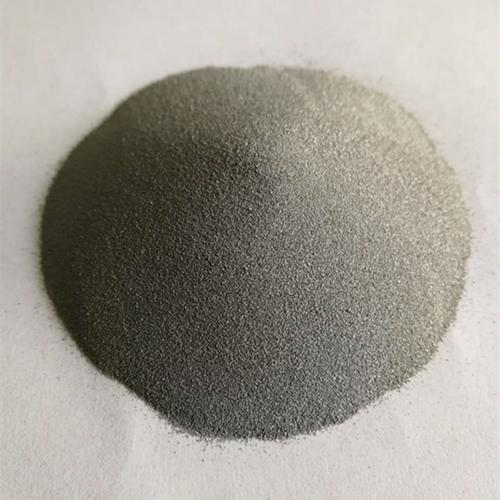
Titanium powder isn’t just another metal—it’s a high-performance material driving innovation in 3D printing, coatings, and advanced composites. But whether you’re looking to buy titanium powder for prototyping or industrial use, you’ll likely run into roadblocks: confusing pricing, safety myths, or uncertainty about which type to choose. In this guide, we’ll walk through seven of the most common problems users face with titanium powder—and how to solve them fast.
2. Problem #1: Confusing Titanium Powder Price Quotes
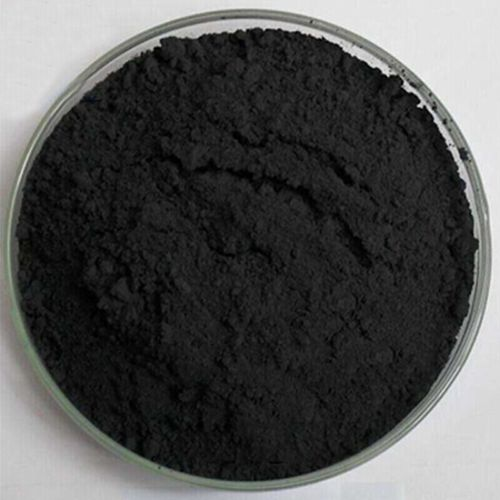
You’ve probably searched ‘titanium powder price per kg’ and found wildly different numbers—from $50 to over $500 per kilogram. Why the gap?
The answer lies in purity, particle shape, and alloy type. For example, spherical titanium powder for 3D printing costs more than irregular HDH (Hydride-Dehydride) powder. Ti6Al4V powder (also called Ti64 powder) typically commands a premium over pure titanium powder due to its superior mechanical properties.
- Always specify your needs: Is it for additive manufacturing? Coatings? Research?
- Compare apples to apples: Ask suppliers if their quote is for gas atomized, HDH, or plasma-spheroidized powder.
- Check certifications: Aerospace-grade Ti6Al4V powder price includes strict quality controls that affect cost.
3. Problem #2: Not Knowing Which Type of Titanium Powder to Buy
With options like ti powder, titanium nitride powder, titanium carbide powder, and even titanium diboride powder (TiB2), choosing the right one can feel overwhelming.
Start by matching the powder to your application:
- Titanium powder for 3D printing? Go for spherical, gas atomized titanium alloy powder like Ti6Al4V.
- Need high hardness or wear resistance? Consider titanium carbide or titanium boride powder.
- Working on photocatalysis or sunscreens? You’ll want TiO2 nano powder, not metallic titanium.
Avoid mixing up titanium metal powder with titanium dioxide—it’s a common mistake! One is reactive and conductive; the other is an inert white pigment.
4. Problem #3: Safety Concerns Around Titanium Dust
Many worry: ‘Is titanium powder water reactive?’ or ‘Is it pyrophoric?’
Pure titanium powder, especially fine or nanopowder, can be flammable in air when dispersed as dust. It’s not water-reactive like alkali metals, but it can ignite under certain conditions—especially during grinding or sieving.
Safety tips:
- Store in sealed, inert containers (argon or nitrogen atmosphere for fine powders).
- Use explosion-proof equipment in processing areas.
- Never confuse burnt titanium powder coat residue with raw powder—it’s chemically different and less hazardous.
5. Problem #4: Difficulty Finding a Reliable Titanium Powder Supplier
Searching ‘titanium powder for sale’ returns hundreds of results—but not all are trustworthy.
Look for suppliers who provide:
- Material Safety Data Sheets (MSDS)
- Particle size distribution reports
- Certifications (e.g., ASTM, ISO for additive manufacturing grades)
Reputable sources include international titanium powder producers specializing in gas atomized or HDH powders. Avoid vendors who don’t disclose production methods or purity levels.
6. Problem #5: Mixing Up Titanium with Similar Powders (Like Molybdenum or Tungsten)
It’s easy to confuse titanium powder with molybdenum powder or tungsten powder—especially when comparing prices or applications.
Key differences:
- Molybdenum metal powder (moly powder) has a much higher melting point and is used in furnace parts.
- Tungsten powder is denser (tungsten powder density ~19.3 g/cm³ vs. titanium’s ~4.5 g/cm³) and used in radiation shielding or heavy alloys.
- MoS2 powder (molybdenum disulfide) and WS2 powder (tungsten disulfide) are dry lubricants—not structural metals.
Always verify elemental composition before purchasing. Don’t assume ‘metal powder’ means titanium!
7. Problem #6: Overpaying for Unnecessary Grades
Not every project needs aerospace-spec Ti6Al4V powder. If you’re experimenting or using powder in non-critical applications, consider lower-cost alternatives like HDH titanium powder or even recycled titanium metal powder.
Ask yourself:
- Do I need spherical morphology? (Critical for 3D printing flowability.)
- Is oxygen content a concern? (High-purity applications demand <1000 ppm O2.)
- Can I use titanium sponge powder instead of atomized powder?
This helps avoid paying premium titanium powder cost for features you won’t use.
8. Problem #7: Misunderstanding Additive Manufacturing Requirements
Many assume any ‘titanium powder for 3D printing’ will work in their machine—but that’s risky.
For successful titanium powder additive manufacturing:
- Use only spherical, gas atomized titanium 3d printing powder with tight particle size distribution (typically 15–45 µm).
- Ensure low oxygen and nitrogen content to prevent embrittlement.
- Verify compatibility with your printer’s laser or electron beam system.
The 3d printing titanium powder price reflects these specs—don’t cut corners here.
9. Conclusion
Buying and using titanium powder doesn’t have to be complicated. By clarifying your application, understanding key differences between types like ti6al4v powder and tio2 powder, and sourcing from verified titanium powder suppliers, you’ll save time, money, and avoid safety pitfalls. Whether you’re exploring titanium powder uses in research or scaling up production, this guide gives you the practical know-how to move forward confidently.
Our Website founded on October 17, 2012, is a high-tech enterprise committed to the research and development, production, processing, sales and technical services of ceramic relative materials such as 7. Our products includes but not limited to Boron Carbide Ceramic Products, Boron Nitride Ceramic Products, Silicon Carbide Ceramic Products, Silicon Nitride Ceramic Products, Zirconium Dioxide Ceramic Products, etc. If you are interested, please feel free to contact us.