1. Introduction
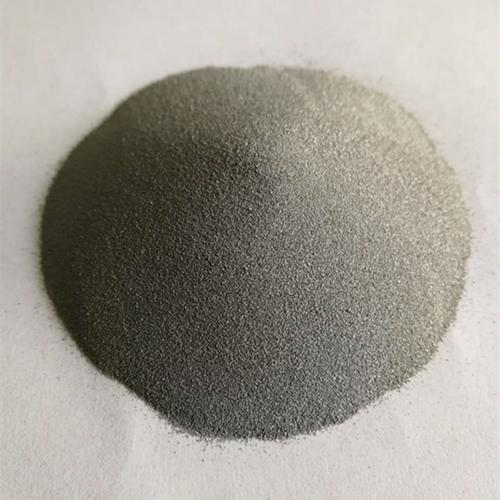
As of June 2024, global demand for titanium powder—especially spherical, gas-atomized grades used in additive manufacturing—has surged due to expanded aerospace and medical implant production. Recent supply chain adjustments by major producers like VSMPO-AVISMA and Carpenter Technology have impacted titanium powder price per kg, making informed sourcing more critical than ever. This guide delivers actionable steps to safely and effectively work with titanium powder across industrial applications.
2. Understand the Types and Uses of Titanium Powder
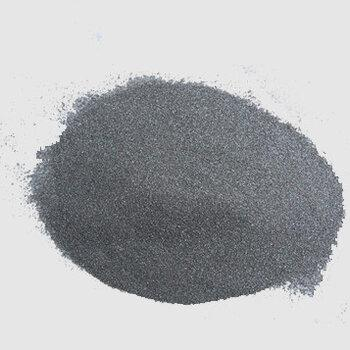
Not all titanium powders are the same. Selecting the right type depends on your application:
- Pure titanium powder: Used in chemical processing and corrosion-resistant components.
- Ti6Al4v powder (also known as Ti64 powder): The most common titanium alloy powder for 3d printing aerospace and biomedical parts.
- Spherical titanium powder: Essential for consistent flow in laser powder bed fusion (LPBF) 3D printing.
- HDH titanium powder (Hydride-Dehydride): Irregular-shaped, cost-effective for pressing and sintering.
- Titanium nitride powder and titanium carbide powder: Used in hard coatings and cutting tools.
- TiO2 nano powder: Applied in sunscreens, catalysts, and pigments—not for structural use.
- Titanium diboride powder (TiB2 powder) and titanium boride powder: High-hardness ceramics for wear-resistant composites.
Avoid confusing titanium dioxide (TiO2 powder) with reactive titanium metal powder—only the latter is suitable for additive manufacturing or metallurgical processes.
3. Prioritize Safety When Handling Titanium Dust
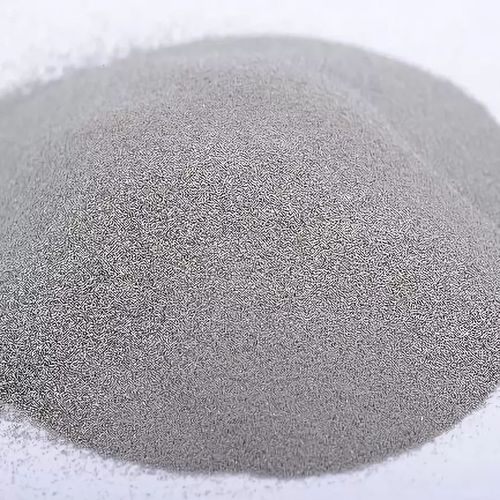
Titanium powder is highly flammable and can be pyrophoric in fine forms. Follow these safety protocols:
- Always handle in an inert atmosphere (argon or nitrogen) when possible.
- Use explosion-proof equipment and grounding to prevent static discharge.
- Wear appropriate PPE: flame-resistant lab coats, gloves, and respirators rated for metal dust.
- Store in sealed, non-reactive containers away from oxidizers, moisture, and ignition sources.
- Never use water to extinguish titanium fires; Class D fire extinguishers are required.
Note: ‘Burnt titanium powder coat’ residues may contain toxic oxides—dispose of as hazardous waste.
4. Evaluate Titanium Powder for 3D Printing Requirements
For successful titanium powder additive manufacturing, verify these parameters:
- Particle size distribution: Typically 15–45 µm for LPBF systems.
- Morphology: Spherical particles ensure optimal packing density and flowability.
- Oxygen content: Should be <1000 ppm for Ti6Al4V to avoid embrittlement.
- Certification: Request material test reports (MTRs) confirming ASTM F3049 or ISO/ASTM 52900 compliance.
Gas atomized titanium powder is preferred over HDH for high-performance 3D printing due to its superior sphericity and purity.
5. Navigate Pricing and Procurement Realistically
Titanium powder price varies widely based on grade, purity, and form. As of mid-2024:
- Titanium powder price per kg ranges from $80–$300 for standard grades.
- Ti6Al4v powder price typically falls between $150–$400/kg.
- 3D printing titanium powder price is higher due to stringent quality controls.
When you buy titanium powder, compare quotes from multiple titanium powder suppliers such as Allegheny Technologies, Sandvik Osprey, and international titanium powder vendors. Beware of unusually low ti powder price offers—they may indicate recycled or contaminated material.
Also consider related refractory metal powders if your application allows alternatives:
- Molybdenum powder (moly powder) is used in high-temp furnaces; molybdenum disulfide powder (MoS2 powder) serves as a dry lubricant.
- Tungsten powder offers extreme density and heat resistance; tungsten carbide powder is ideal for cutting tools.
Global tungsten & powders corporation and other tungsten powder suppliers often provide complementary materials for hybrid manufacturing.
6. Choose the Right Supplier and Verify Authenticity
To buy titanium powder safely:
- Confirm the supplier is ISO 9001 certified and specializes in metal powders.
- Request certificates of analysis (CoA) for oxygen, nitrogen, and particle size.
- Avoid unverified marketplaces; stick to established titanium powder for sale channels.
- For research or small batches, consider reputable labs offering titanium nanopowder or TiH2 powder (titanium hydride), which decomposes to pure Ti during sintering.
Never substitute with titanium flash powder (a pyrotechnic mix)—it is unsafe for industrial use.
7. Common Mistakes to Avoid
- Using TiO2 powder instead of titanium metal powder in sintering—it won’t densify into metal.
- Storing titanium dust near molybdenum disulfide powder or tungsten carbide dust without segregation—cross-contamination affects performance.
- Ignoring moisture exposure: Ti powder oxidizes rapidly if not stored properly.
- Assuming all ‘titanium powder for 3d printing’ is equal—verify gas atomization and batch consistency.
8. Conclusion
Successfully working with titanium powder requires technical knowledge, strict safety practices, and smart procurement. Whether you’re using ti6al4v powder for aerospace components or evaluating titanium powder cost for R&D, always prioritize certified materials from trusted titanium powder suppliers. With additive manufacturing driving innovation, understanding the nuances of titanium alloy powder—and related refractory metals like molybdenum and tungsten—ensures both performance and safety.
Our Website founded on October 17, 2012, is a high-tech enterprise committed to the research and development, production, processing, sales and technical services of ceramic relative materials such as 7. Our products includes but not limited to Boron Carbide Ceramic Products, Boron Nitride Ceramic Products, Silicon Carbide Ceramic Products, Silicon Nitride Ceramic Products, Zirconium Dioxide Ceramic Products, etc. If you are interested, please feel free to contact us.