1. Introduction
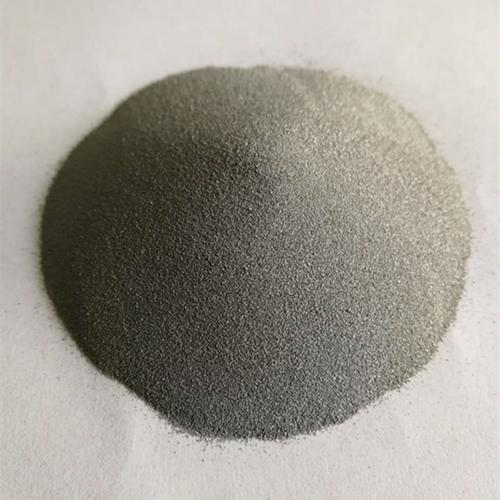
Titanium powder isn’t just another industrial material—it’s a cornerstone of modern aerospace, medical implants, and high-performance 3D printing. But not all titanium powder is created equal. From spherical gas-atomized particles to irregular HDH (Hydride-Dehydride) forms, each type serves distinct purposes and comes with unique trade-offs in cost, flowability, and performance. If you’re looking to buy titanium powder or compare it with alternatives like molybdenum powder or tungsten powder, understanding these nuances is essential.
In this guide, we break down seven key types of titanium powder, analyze their uses, compare titanium powder price per kg across grades, and clarify where materials like Ti6Al4V powder and titanium diboride powder fit in. Whether you’re sourcing from an international titanium powder supplier or evaluating titanium powder for 3D printing, this comparison will help you make informed decisions.
2. Pure Titanium Powder vs. Titanium Alloy Powder
Pure titanium powder (often Grade 1 or 2) offers excellent corrosion resistance and biocompatibility, making it ideal for chemical processing and some medical applications. However, it lacks the strength needed for load-bearing aerospace parts.
In contrast, titanium alloy powder—especially Ti6Al4v powder (also called Ti64 powder)—dominates high-stress sectors. This alpha-beta alloy contains 6% aluminum and 4% vanadium, delivering superior strength-to-density ratios. Ti6Al4V powder price typically runs higher than pure titanium metal powder price due to its complex composition and stringent quality control for additive manufacturing.
- Pure titanium powder: Best for corrosion-resistant coatings and non-structural biomedical parts.
- Ti64 powder: Preferred for jet engines, prosthetics, and high-end titanium 3D printing powder applications.
3. Production Methods: Gas Atomized vs. HDH Titanium Powder
How titanium powder is made dramatically affects its shape, purity, and usability. Gas atomized titanium powder features near-perfect spherical particles, excellent flowability, and low oxygen content—critical for consistent layering in titanium powder additive manufacturing.
HDH titanium powder, produced by hydrogenating titanium sponge, then crushing and dehydrogenating it, yields angular, irregular particles. While cheaper, HDH powder has poorer flow and higher impurity levels, limiting its use in high-precision 3D printing but making it suitable for pressing and sintering operations.
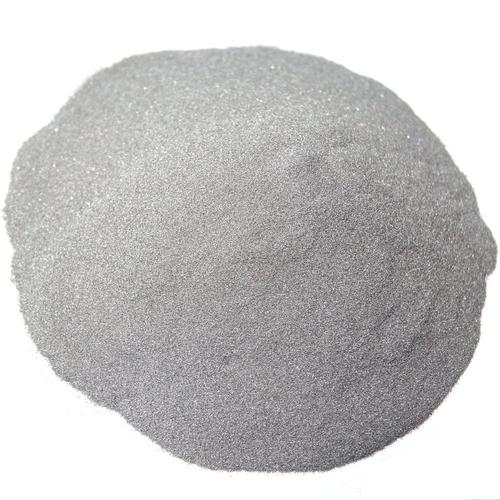
Spherical titanium powder from gas atomization often commands a premium—sometimes double the titanium powder cost of HDH—but delivers reliability in demanding applications like aerospace components.
4. Specialty Titanium Powders: Beyond the Basics
Beyond standard grades, niche titanium powders serve advanced functions:
- Titanium nitride powder and titanium carbide powder are ultra-hard ceramics used in cutting tools and wear-resistant coatings.
- Titanium diboride powder (TiB2 powder) and titanium boride powder offer high melting points and electrical conductivity, useful in armor and cathodes.
- Titanium nanopowder and TiO2 nano powder find roles in photocatalysis, sunscreens, and advanced composites—though these differ significantly from structural titanium metal powder.
Note: Titanium flash powder and burnt titanium powder coat are pyrotechnic or surface-treatment terms, not relevant to industrial powder metallurgy. Similarly, titanium coated diamond powder blends hardness with thermal conductivity for specialized grinding tools.
5. Titanium Powder for 3D Printing: What Drives the Price?
When evaluating titanium powder for 3D printing price, consider particle size distribution (typically 15–45 µm), oxygen content (<0.13% for aerospace), and morphology. Spherical, gas-atomized Ti6Al4V powder for sale from certified suppliers can range from $300 to $800 per kg, depending on batch size and certification.
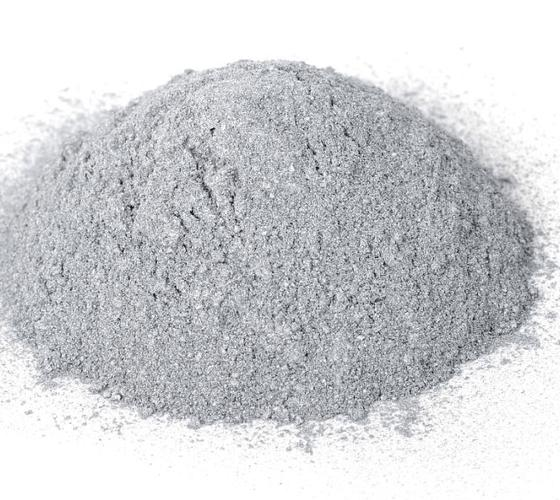
The titanium powder for 3D printing price is also influenced by global supply chains. With limited producers of high-quality spherical titanium powder, demand from defense and medical sectors keeps prices elevated. Always verify if your titanium powder supplier meets ASTM or ISO standards for additive manufacturing.
6. How Titanium Powder Compares to Molybdenum and Tungsten Powders
While titanium powder excels in lightweight strength, molybdenum powder and tungsten powder serve high-temperature niches. Molybdenum metal powder (including MoS2 powder and TZM powder) resists deformation above 1,000°C and is used in furnace parts and electronics.
Tungsten powder, especially spherical tungsten powder and tungsten carbide powder, boasts extreme density and hardness. Global Tungsten & Powders Corporation and other suppliers cater to mining, defense, and wear-part industries. Tungsten powder price per kg often exceeds titanium’s due to scarcity and energy-intensive refining.
Key differences:
- Titanium: Lightweight, biocompatible, moderate melting point (~1,668°C).
- Molybdenum: High melting point (~2,623°C), good thermal conductivity.
- Tungsten: Highest melting point of all metals (~3,422°C), very dense (19.3 g/cm³).
7. Where to Buy and What to Watch For
When you buy titanium powder, prioritize reputable titanium powder suppliers who provide certificates of analysis. Beware of unusually low titanium powder price per kg offers—they may indicate high oxygen content, contamination, or mislabeled TiH2 powder (titanium hydride), which requires careful dehydrogenation before use.
Also, distinguish between titanium metal powder and TiO2 powder—titanium dioxide is a white pigment, not a structural metal. Confusing the two could lead to costly errors in manufacturing.
For industrial buyers, consider total cost of ownership: a slightly higher titanium metal powder price might yield better print success rates, less waste, and fewer post-processing steps.
8. Conclusion
Choosing the right titanium powder depends on your application’s mechanical, thermal, and economic demands. Whether you need pure titanium powder for biocompatible implants, Ti6Al4V powder for aerospace 3D printing, or specialty compounds like titanium diboride powder for ceramics, understanding production methods and material properties is key. As additive manufacturing grows, so does the importance of sourcing high-quality, certified titanium powder for sale from trusted international suppliers. Keep an eye on titanium powder cost trends—but never compromise on specs that impact safety and performance.
Our Website founded on October 17, 2012, is a high-tech enterprise committed to the research and development, production, processing, sales and technical services of ceramic relative materials such as 7. Our products includes but not limited to Boron Carbide Ceramic Products, Boron Nitride Ceramic Products, Silicon Carbide Ceramic Products, Silicon Nitride Ceramic Products, Zirconium Dioxide Ceramic Products, etc. If you are interested, please feel free to contact us.