1. Introduction
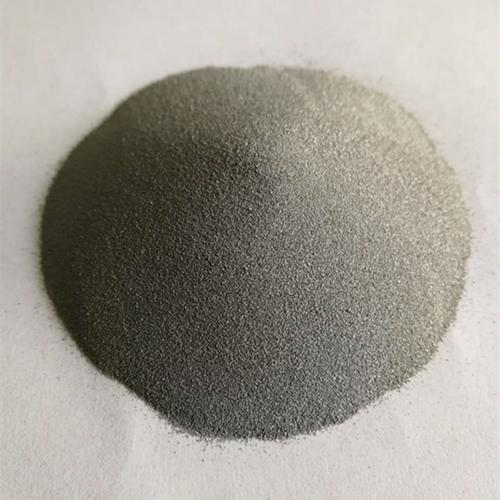
In a significant development reported just 48 hours ago, the U.S. Department of Energy announced a $28 million investment to scale domestic production of critical metal powders—including titanium—for clean energy and defense applications. This move underscores growing strategic interest in secure, high-performance materials supply chains, particularly for additive manufacturing. Against this backdrop, understanding how titanium powder is produced, its various forms, and comparative economics has never been more relevant.
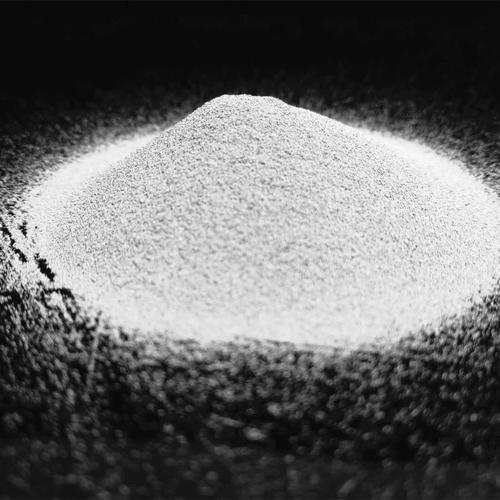
Titanium powder—often referred to as ti powder—is a cornerstone material in modern advanced manufacturing. Unlike bulk titanium, which is costly and difficult to machine, titanium powder enables near-net-shape fabrication through techniques like selective laser melting (SLM) and electron beam melting (EBM). But not all titanium powders are created equal. Their properties, costs, and suitability for specific applications vary widely based on production method, composition, and morphology.
2. Primary Production Methods for Titanium Powder
2.1. Gas Atomization
Gas atomized titanium powder is produced by melting titanium or titanium alloy under vacuum or inert atmosphere and then disintegrating the molten stream with high-pressure argon or nitrogen gas. This yields highly spherical particles ideal for flowability in 3d printing titanium powder applications. Spherical titanium powder from gas atomization ensures uniform layer deposition in powder bed fusion systems, making it the preferred choice for aerospace and medical implants.
However, gas atomization is energy-intensive and expensive, contributing to higher titanium powder price per kg—often ranging from $300 to $800/kg depending on purity and alloy grade. Despite the cost, demand for gas atomized ti6al4v powder (also known as ti64 powder) remains strong due to its excellent mechanical properties and biocompatibility.
2.2. Hydride-Dehydride (HDH) Process
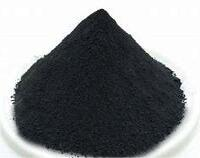
The HDH method involves hydrogenating titanium sponge to form brittle titanium hydride (tih2 powder), which is then milled into irregularly shaped particles and dehydrogenated under vacuum. The resulting hdh titanium powder is angular, less flowable, but significantly cheaper—typically 30–50% lower in titanium metal powder price than gas-atomized equivalents.
While hdh titanium powder is less suitable for high-precision 3d printing, it finds use in powder metallurgy, metal injection molding, and as a precursor for other titanium compounds. Its lower cost makes it attractive for industrial-scale applications where surface finish and density are less critical.
3. Specialty Titanium Powders and Their Uses
3.1. Alloyed and Composite Powders
Beyond pure titanium powder, engineered variants dominate high-value sectors. Ti6al4v powder—a titanium alloy powder containing 6% aluminum and 4% vanadium—is the most widely used grade in aerospace and biomedical devices. Its strength-to-weight ratio and corrosion resistance justify its premium ti6al4v powder price.
Other advanced formulations include titanium diboride powder (tib2 powder) and titanium boride powder, valued for extreme hardness and thermal stability. Titanium carbide powder and titanium nitride powder serve as wear-resistant coatings and cutting tool additives. Meanwhile, tio2 nano powder (titanium dioxide nanopowder) is essential in photocatalysis, sunscreens, and pigments—not to be confused with metallic titanium powder.
3.2. Niche and Hazardous Forms
Titanium flash powder—a pyrotechnic mixture often combining fine titanium dust with oxidizers—is highly reactive and regulated. Similarly, burnt titanium powder coat residues require specialized handling due to potential reactivity. These forms highlight the importance of distinguishing between functional metal powders and reactive or cosmetic derivatives like tio2 powder.
4. Market Dynamics and Pricing Trends
The titanium powder price is influenced by raw material costs, processing complexity, and global supply constraints. As of mid-2024, titanium powder for 3d printing price averages $400–$700/kg for spherical ti64 powder, while pure titanium powder may start around $250/kg. Buyers seeking to buy titanium powder should evaluate suppliers based on certification (e.g., ASTM F3049 for additive manufacturing), particle size distribution, and oxygen content.
Reputable titanium powder suppliers now compete not only on titanium powder cost but also on consistency and traceability—critical for regulated industries. International titanium powder markets are also seeing increased competition from Asia-Pacific producers, though quality variance remains a concern.
5. Comparative Context: Titanium vs. Molybdenum and Tungsten Powders
While titanium dominates lightweight structural applications, molybdenum powder (moly powder) and tungsten powder serve high-temperature niches. Molybdenum metal powder, including tzm powder and molybdenum disulfide powder (mos2 powder), excels in furnace components and lubrication. Similarly, tungsten metal powder—especially spherical tungsten powder and tungsten carbide powder—is unmatched in density and wear resistance, with uses ranging from radiation shielding to cutting tools.
Unlike titanium, both molybdenum and tungsten powders are denser and less reactive, but they come with their own challenges: high sintering temperatures and brittleness. Global tungsten & powders corporation and other major players supply these materials globally, often at lower per-kg costs than titanium, though application requirements dictate material selection.
6. Conclusion
Titanium powder is far more than a simple raw material—it is a technologically nuanced product whose form dictates its function. From gas atomized spherical particles enabling next-generation aerospace parts to cost-effective HDH powders supporting industrial manufacturing, the diversity within the titanium powder ecosystem reflects its strategic importance. As additive manufacturing expands and supply chain security intensifies, understanding the distinctions between pure titanium powder, ti6al4v powder, and related compounds like titanium diboride will be crucial for informed procurement and innovation.
Our Website founded on October 17, 2012, is a high-tech enterprise committed to the research and development, production, processing, sales and technical services of ceramic relative materials such as How. Our products includes but not limited to Boron Carbide Ceramic Products, Boron Nitride Ceramic Products, Silicon Carbide Ceramic Products, Silicon Nitride Ceramic Products, Zirconium Dioxide Ceramic Products, etc. If you are interested, please feel free to contact us.