1. Introduction
In the past 48 hours, global aerospace leaders have announced new investments in titanium-based additive manufacturing, highlighting soaring demand for high-purity titanium powder in next-generation jet engines and medical implants. This surge underscores titanium powder’s critical role in cutting-edge industries—and why understanding its properties, types, and costs matters more than ever.
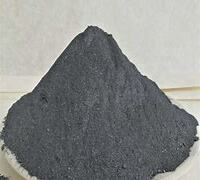
Titanium powder isn’t just another metal dust—it’s a high-performance material driving innovation from dental crowns to spacecraft components. Whether you’re exploring titanium powder for 3D printing, researching ti6al4v powder price trends, or comparing it with alternatives like molybdenum powder or tungsten powder, this guide breaks it all down in plain terms.
2. What Is Titanium Powder?
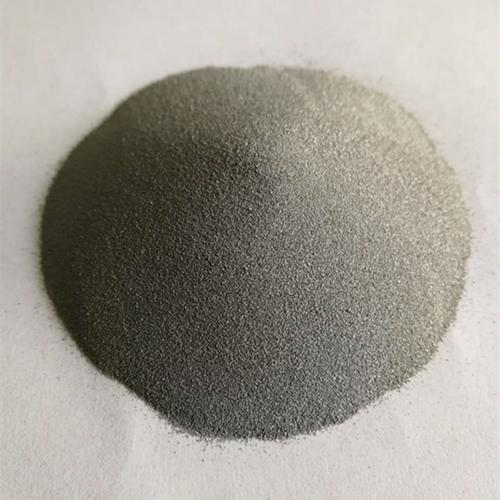
Titanium powder refers to finely divided particles of titanium metal or its compounds. It comes in various forms: pure titanium powder, titanium alloy powder (like the widely used ti64 powder or ti6al4v powder), and specialty variants such as titanium nitride powder, titanium carbide powder, and tio2 nano powder. Unlike everyday ‘titanium dust,’ industrial-grade titanium powder is engineered for consistency, purity, and performance.
Common production methods include gas atomized titanium powder (ideal for 3D printing due to its spherical shape) and HDH titanium powder (Hydride-Dehydride), which is more cost-effective but less spherical. You’ll also encounter tih2 powder (titanium hydride), often used as a precursor in powder metallurgy.
3. Key Types and Their Uses
Not all titanium powders are created equal. Here’s a quick look at popular variants and their applications:
- Pure titanium powder: Used in biomedical implants and chemical processing equipment due to its biocompatibility and corrosion resistance.
- Ti6Al4V powder (also called ti64 powder): The most common titanium alloy powder, essential for aerospace and medical 3D printing.
- Spherical titanium powder: Critical for smooth flow in additive manufacturing machines; often gas atomized.
- Tio2 powder (titanium dioxide): Widely used in paints, sunscreens, and food—not to be confused with metallic titanium powder.
- Titanium diboride powder (TiB2 powder) and titanium boride powder: Extremely hard ceramics used in cutting tools and armor.
- Titanium flash powder: A pyrotechnic mix (not pure titanium) that creates bright sparks—handle with extreme caution.
- Titanium coated diamond powder: Used in precision grinding and polishing applications.
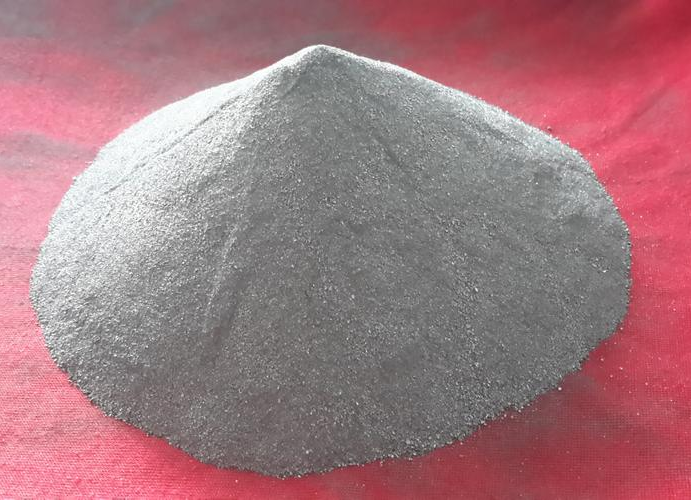
These materials serve vastly different purposes, so always verify specifications before you buy titanium powder for a specific use case.
4. Titanium Powder in Additive Manufacturing
One of the hottest applications today is titanium powder for 3D printing. Also known as titanium 3d printing powder or titanium powder additive manufacturing feedstock, it enables lightweight, complex parts impossible with traditional machining.
Gas atomized spherical titanium powder is preferred here because it flows evenly and packs densely in printers. Ti6Al4V powder dominates this space, especially in aerospace and orthopedics. But what about cost? The titanium powder for 3d printing price typically ranges from $300 to $800 per kg, depending on purity, particle size, and supplier. That’s significantly higher than standard titanium wire—but justified by the design freedom and material savings 3D printing offers.
5. Pricing and Procurement Considerations
When evaluating titanium powder price per kg, remember that ‘cheap’ isn’t always better. Factors affecting titanium metal powder price include:
- Purity level (99.5% vs. 99.95%)
- Particle size distribution (fine powders cost more)
- Morphology (spherical > irregular for AM)
- Certification (aerospace-grade commands premium pricing)
Reputable titanium powder suppliers often provide certificates of analysis and traceability—critical for regulated industries. If you’re sourcing internationally, check export controls; some high-grade titanium powders are restricted.
Also note: burnt titanium powder coat or improperly stored powder can oxidize, reducing performance. Always store in inert atmospheres.
6. Related Advanced Metal Powders
While titanium leads in strength-to-weight ratio, other metal powders play complementary roles:
- Molybdenum powder (moly powder): Used in high-temp furnaces and electronics. Variants include molybdenum disulfide powder (MoS2 powder)—a dry lubricant—and tzm powder for structural applications.
- Tungsten powder (wolfram powder): Extremely dense and heat-resistant. Spherical tungsten powder and tungsten carbide powder are staples in wear-resistant coatings and cutting tools. Global Tungsten & Powders Corporation is a major player here.
These materials—molybdenum metal powder, tungsten metal powder, fused tungsten carbide powder—often appear alongside titanium in multi-material systems or hybrid manufacturing setups.
7. Safety and Handling
Fine titanium powder can be pyrophoric—meaning it may ignite spontaneously in air, especially if <45 microns. Always handle under argon or nitrogen. Similarly, tungsten dust and titanium dust require proper ventilation and explosion-proof equipment.
Tio2 powder is generally safe in consumer products, but nano-sized tio2 nano powder warrants careful handling in industrial settings due to inhalation risks.
8. Conclusion
From enabling life-saving implants to powering hypersonic flight, titanium powder is far more than a niche material—it’s a cornerstone of advanced manufacturing. Whether you’re comparing titanium powder cost versus alternatives, sourcing ti6al4v powder for aerospace projects, or exploring titanium alloy powder for research, understanding its varieties, production methods, and market dynamics is essential. As additive manufacturing scales globally, expect continued innovation—and competitive pressure—in the titanium powder supply chain.
Our Website founded on October 17, 2012, is a high-tech enterprise committed to the research and development, production, processing, sales and technical services of ceramic relative materials such as What. Our products includes but not limited to Boron Carbide Ceramic Products, Boron Nitride Ceramic Products, Silicon Carbide Ceramic Products, Silicon Nitride Ceramic Products, Zirconium Dioxide Ceramic Products, etc. If you are interested, please feel free to contact us.