1. Introduction
When you think of cutting-edge engineering, titanium probably isn’t the first material that comes to mind—but it should be. In niche, high-stakes industries like aerospace and biomedical engineering, titanium powder is quietly transforming what’s possible. Forget generic uses; we’re diving into how titanium powder for 3D printing is enabling lighter jet engines, custom hip replacements, and even next-gen space hardware.

What makes this possible? A combination of material science, precision manufacturing, and the unique properties of titanium alloy powder—especially grades like Ti6Al4V (also known as Ti64). Let’s unpack how this fine metallic dust is reshaping advanced manufacturing.
2. Why Titanium Powder? The Science Behind the Spark
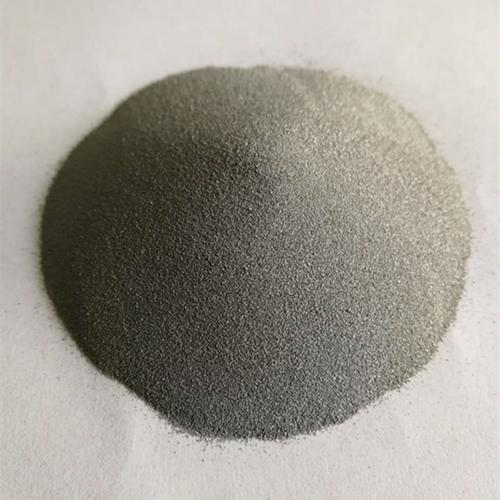
Titanium powder—often referred to as ti powder or titanium metal powder—is prized for its exceptional strength-to-density ratio, corrosion resistance, and biocompatibility. Unlike bulk titanium, powdered forms can be precisely layered and fused using lasers or electron beams in additive manufacturing processes.
Not all titanium powders are created equal. For 3D printing, spherical titanium powder made via gas atomization is preferred because it flows smoothly through printers and packs densely. Alternatives like HDH (Hydride-Dehydride) titanium powder are cheaper but less ideal for high-precision applications due to irregular particle shapes.
2.1. The Star Player: Ti6Al4V Powder
Among titanium alloy powders, Ti6Al4V (or Ti64 powder) dominates industrial additive manufacturing. This alpha-beta alloy contains 6% aluminum and 4% vanadium, offering excellent mechanical properties and weldability. It’s the go-to for both jet engine brackets and load-bearing orthopedic implants.
Because of its reliability, ti6al4v powder price tends to be higher than pure titanium powder—but the performance payoff justifies the cost. As of 2024, titanium powder for 3D printing price ranges from $300 to $800 per kg, depending on purity, particle size distribution, and supplier.
2.2. Beyond Ti64: Specialty Powders for Extreme Environments
While Ti64 leads the pack, other titanium-based powders serve ultra-niche roles:
- Titanium nitride powder and titanium carbide powder enhance surface hardness in coatings.
- Titanium diboride powder (TiB2 powder) and titanium boride powder improve wear resistance in composites.
- Titanium nanopowder and tio2 nano powder find use in catalysis and UV-blocking applications—not typically in structural 3D printing, but still part of the broader titanium powder ecosystem.
Note: Titanium flash powder and burnt titanium powder coat are unrelated to industrial AM; they belong to pyrotechnics or surface finishing, respectively.
3. The Real Cost: Understanding Titanium Powder Price Per Kg
If you’re looking to buy titanium powder, pricing depends heavily on form and application. Pure titanium powder costs less than alloyed versions, but spherical, gas atomized titanium powder for additive manufacturing commands a premium.

Factors influencing titanium powder cost include:
- Particle size (typically 15–45 microns for laser powder bed fusion)
- Oxygen content (lower = better for mechanical integrity)
- Certification (aerospace-grade requires strict traceability)
- Order volume (bulk purchases from a titanium powder supplier reduce per-kg rates)
For context, titanium metal powder price per kg can be 5–10x higher than commodity metals like steel—but far lower than the value it enables in end-use parts.
4. Supply Chain and Sourcing: Where to Buy Titanium Powder
Global demand has spurred growth among titanium powder suppliers. Reputable vendors offer certified spherical titanium powder suitable for medical and aerospace standards. When you search ‘titanium powder for sale,’ prioritize suppliers with ISO certifications and experience in additive manufacturing.
Beware of misleading listings: ‘titanium dioxide powder’ (tio2 powder) is a white pigment used in cosmetics and food—not a substitute for conductive, structural titanium metal powder. Similarly, molybdenum powder, tungsten powder, and their derivatives (like mos2 powder or ws2 powder) serve different high-temp or lubrication roles and shouldn’t be confused with ti powder.
5. Additive Manufacturing in Action: Real-World Case Studies
In aerospace, GE Aviation uses titanium powder additive manufacturing to produce fuel nozzles that are 25% lighter and 5x more durable than cast equivalents. In medicine, companies like Stryker leverage ti6al4v powder to 3D-print porous spinal implants that encourage bone ingrowth.
These applications rely on consistent powder quality. Contamination—even from trace tungsten dust or molybdenum carbide powder—can compromise part integrity. That’s why cleanroom handling and rigorous powder recycling protocols are standard in professional AM facilities.
6. Conclusion
Titanium powder isn’t just another industrial material—it’s a gateway to innovation in fields where failure isn’t an option. From life-saving implants to spacecraft components, titanium powder uses in additive manufacturing continue to expand as technology matures and costs gradually decline. If you’re exploring this space, focus on certified ti6al4v powder from trusted suppliers, understand the true titanium powder price per kg relative to your application, and remember: not all ‘titanium powders’ are suitable for 3D printing. The future is being built, layer by microscopic layer, with this remarkable metal dust.
Our Website founded on October 17, 2012, is a high-tech enterprise committed to the research and development, production, processing, sales and technical services of ceramic relative materials such as Titanium. Our products includes but not limited to Boron Carbide Ceramic Products, Boron Nitride Ceramic Products, Silicon Carbide Ceramic Products, Silicon Nitride Ceramic Products, Zirconium Dioxide Ceramic Products, etc. If you are interested, please feel free to contact us.