1. Introduction
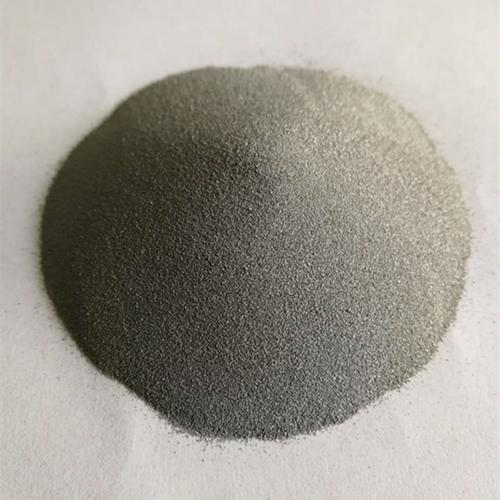
If you’ve ever Googled ‘titanium powder price’ at 2 a.m., frantically comparing ‘ti powder price per kg’ while wondering if your 3D printer can handle it—or if titanium dust might spontaneously combust—you’re not alone. Titanium powder isn’t just a sci-fi prop; it’s a high-stakes industrial material powering everything from jet engines to dental implants. But with prices swinging wildly and terms like ‘spherical titanium powder,’ ‘Ti6Al4V powder,’ and ‘titanium diboride powder’ flying around, how do you separate marketing fluff from metallurgical fact? And more importantly: is it worth your hard-earned cash?
2. The Many Faces of Titanium Powder
Not all titanium powder is created equal. In fact, calling it all ‘titanium powder’ is like calling every dog a ‘poodle’—technically possible, but wildly inaccurate. Let’s break down the major types you’ll encounter when you try to buy titanium powder.
2.1 Pure Titanium Powder vs. Titanium Alloy Powder
Pure titanium powder (often Grade 1 or 2) is prized for its corrosion resistance and biocompatibility. It’s commonly used in medical devices and chemical processing equipment. But if you’re into aerospace or high-performance engineering, you’re probably eyeing titanium alloy powder—especially Ti6Al4V (also known as Ti64 powder). This alloy blends titanium with 6% aluminum and 4% vanadium, offering superior strength-to-density ratio. Unsurprisingly, Ti6Al4V powder price is higher than pure titanium metal powder price, but for good reason: it’s the workhorse of titanium additive manufacturing.
2.2 Specialty Powders: Beyond the Basics
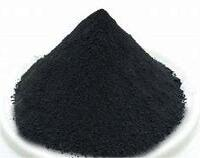
Then there are the exotic cousins: titanium nitride powder (hard, gold-colored, great for coatings), titanium carbide powder (extremely wear-resistant), and titanium diboride powder (TiB2 powder)—a ceramic-metal hybrid used in armor and cutting tools. Don’t confuse these with tio2 powder (titanium dioxide), which is white, non-metallic, and found in sunscreen and paint—not your 3D printer. And whatever you do, don’t mix up titanium flash powder (pyrotechnic, highly reactive) with burnt titanium powder coat (a surface finish)—they’re about as similar as a firecracker and a toaster.
3. How Titanium Powder Is Made: Gas Atomized vs. HDH
The method matters—big time. Two dominant techniques shape the market: gas atomization and hydride-dehydride (HDH).
3.1 Gas Atomized Titanium Powder
Gas atomized titanium powder is produced by melting titanium and blasting it with inert gas to form fine, spherical particles. These spheres flow beautifully in 3D printers, making this the gold standard for titanium powder additive manufacturing. But beauty comes at a cost: gas atomization is energy-intensive, which drives up titanium powder for 3D printing price. Expect to pay anywhere from $300 to $800 per kg depending on purity, particle size, and certification.
3.2 HDH Titanium Powder
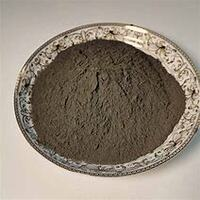
HDH titanium powder starts with titanium sponge, which is crushed after hydrogen treatment. The result? Irregular, angular particles that are cheaper but less ideal for high-precision 3D printing. However, HDH powder shines in powder metallurgy and lower-cost applications. It’s often what you get when browsing ‘titanium powder for sale’ from budget suppliers—but check specs carefully.
4. Pricing Realities: Why Titanium Powder Costs What It Does
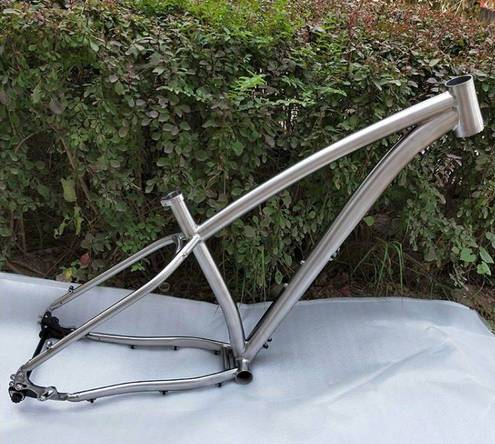
Let’s talk numbers. The titanium powder price per kg isn’t arbitrary—it reflects raw material costs, processing complexity, and demand spikes from aerospace and medical sectors. Pure titanium powder might start around $150/kg, while certified spherical Ti6Al4V powder for aerospace can exceed $700/kg. Compare that to molybdenum powder price (typically $30–$60/kg) or tungsten powder price per kg ($40–$100/kg), and you see why titanium is the luxury sedan of metal powders.
Interestingly, international titanium powder markets vary widely. A European buyer might pay 20% more than an Asian counterpart due to tariffs and logistics. And if you’re sourcing from a reputable titanium powder supplier with ISO certifications, expect premiums—but also reliability. After all, no one wants a failed hip implant because someone bought the cheapest ‘titanium metal powder’ off a sketchy website.
5. Titanium vs. Molybdenum vs. Tungsten Powders: A Quick Rundown
While titanium dominates lightweight, high-strength applications, molybdenum and tungsten powders serve different niches. Molybdenum metal powder (moly powder) excels in high-temp furnaces and electronics, with variants like molybdenum disulfide powder (MoS2 powder) acting as dry lubricants. Tungsten powder, denser and heavier, is used in radiation shielding and wear parts—think tungsten carbide powder for cutting tools. Global Tungsten & Powders Corporation and similar firms dominate that space. But none match titanium’s combo of strength, lightness, and biocompatibility.
6. Where to Buy—and What to Watch For
When you search ‘buy titanium powder,’ you’ll find everything from lab-scale nanopowder to bulk industrial lots. Reputable titanium powder suppliers provide certificates of analysis, particle size distribution, and oxygen content data. Avoid vendors who can’t distinguish between titanium nanopowder and tio2 nano powder—hint: one’s metallic, the other’s a white pigment. Also, verify if the powder is truly spherical if you’re using it for 3D printing; irregular shapes cause print failures.
7. Conclusion
So, how much does titanium powder cost? Enough to make you wince—but often worth every penny if your application demands performance, precision, or biocompatibility. Whether you need Ti64 powder for aerospace prototypes or pure titanium powder for research, understanding production methods, material grades, and market dynamics helps you avoid overpaying—or under-specifying. Just remember: titanium powder isn’t flour. Don’t bake with it, don’t snort it, and definitely don’t mix it with sugar unless you enjoy explaining pyrophoric reactions to firefighters.
Our Website founded on October 17, 2012, is a high-tech enterprise committed to the research and development, production, processing, sales and technical services of ceramic relative materials such as How. Our products includes but not limited to Boron Carbide Ceramic Products, Boron Nitride Ceramic Products, Silicon Carbide Ceramic Products, Silicon Nitride Ceramic Products, Zirconium Dioxide Ceramic Products, etc. If you are interested, please feel free to contact us.