1. Introduction
Just 24 hours ago, aerospace giant Boeing announced a new partnership with a leading titanium powder supplier to scale up production of spherical Ti6Al4V powder for next-gen aircraft components using additive manufacturing. This move highlights the surging demand for high-performance titanium metal powder in cutting-edge industries—and underscores why understanding the nuances between different titanium powders matters more than ever.
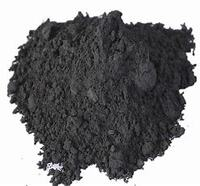
Titanium powder isn’t just one material—it’s a family of powders with wildly different properties, production methods, and price tags. Whether you’re sourcing ti powder for 3d printing or evaluating titanium nitride powder for coatings, knowing the differences can save time, money, and performance headaches. Let’s break down the seven most critical types of titanium powder used today.
2. Gas Atomized vs. HDH Titanium Powder
2.1. Gas Atomized Titanium Powder
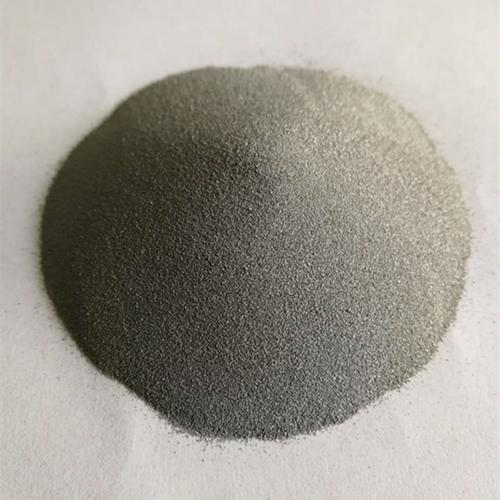
Gas atomized titanium powder is the gold standard for titanium powder additive manufacturing. Produced by melting titanium under inert gas and spraying it through nozzles to form fine, spherical particles, this method yields excellent flowability and high packing density—ideal for laser-based 3D printing systems like SLM or EBM.
Spherical titanium powder from gas atomization typically commands a premium, with titanium powder for 3d printing price ranging from $300 to $800 per kg depending on purity and alloy. Ti64 powder (another name for Ti6Al4V) made this way is especially sought after in medical implants and aerospace.
2.2. HDH (Hydride-Dehydride) Titanium Powder
HDH titanium powder starts with titanium sponge, which is hydrogenated to become brittle, then milled into irregular-shaped particles before dehydrogenation. The result? Angular, lower-cost powder that’s great for pressing and sintering but less suitable for high-precision 3D printing due to poor flow.
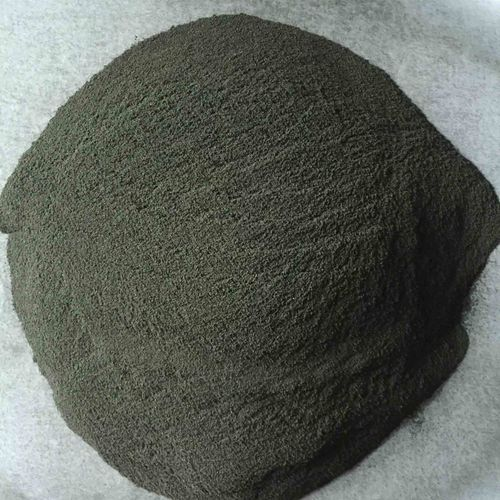
Pure titanium powder from HDH processes costs significantly less—often under $150 per kg—making it popular for powder metallurgy parts, filters, and chemical processing equipment. However, its rough morphology limits use in advanced additive manufacturing.
3. Alloyed Titanium Powders: Ti6Al4V and Beyond
Ti6Al4v powder (also called ti64 powder) dominates the titanium alloy powder market. Composed of 90% titanium, 6% aluminum, and 4% vanadium, it offers an exceptional strength-to-weight ratio and corrosion resistance. Its biocompatibility makes it the go-to for orthopedic implants.
Other emerging alloys include those with niobium or zirconium for specialized biomedical uses. But Ti6Al4V remains king—so much so that ti6al4v powder price is often used as a benchmark for the entire titanium powder market.
4. Specialty Titanium Compounds: Nitrides, Carbides, and Borides
Beyond pure and alloyed metals, compounds like titanium nitride powder, titanium carbide powder, and titanium diboride powder (TiB2 powder) serve niche roles. Titanium nitride powder is used in hard coatings and decorative finishes, while titanium carbide enhances cutting tools.
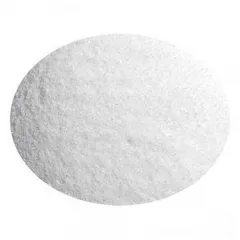
Titanium diboride powder—sometimes called titanium boride powder—is prized for its extreme hardness and electrical conductivity, finding use in armor and cathodes. Titanium diboride price can exceed $1,000/kg due to complex synthesis.
5. Nano and Reactive Forms: Nanopowder, Flash Powder, and Safety Notes
Titanium nanopowder and tio2 nano powder are used in catalysts, sunscreens, and advanced ceramics. Meanwhile, titanium flash powder—a pyrotechnic mix often involving potassium perchlorate—is highly reactive and not the same as industrial ti powder.
Important: Titanium dust can be pyrophoric in fine forms, especially when dry and dispersed in air. Always handle with proper safety protocols. Burnt titanium powder coat residues require specialized cleaning—never assume it’s inert.
6. Pricing and Sourcing Realities
The titanium powder price per kg varies dramatically. Pure titanium powder may cost $100–$200/kg, while spherical ti6al4v powder for 3d printing price can hit $700+/kg. Factors include particle size distribution, oxygen content, and certification (e.g., ASTM F1554 for medical use).
When you buy titanium powder, verify your supplier’s credentials. Reputable titanium powder suppliers provide certificates of analysis and traceability. Beware of vague listings for ‘titanium powder for sale’ without specs—quality varies widely.
7. How Titanium Powder Stacks Up Against Molybdenum and Tungsten Powders
While titanium excels in lightweight strength, molybdenum powder and tungsten powder dominate high-temp applications. Moly powder (molybdenum metal powder) is used in furnace parts; tungsten metal powder in radiation shielding and heavy alloys.
- Molybdenum disulfide powder (mos2 powder) serves as a dry lubricant—very different from structural ti powder.
- Tungsten carbide powder price per kg often exceeds titanium’s, but its density and wear resistance justify the cost in mining and machining.
- Global players like Global Tungsten & Powders Corporation supply tungsten powder for sale worldwide, but titanium remains unmatched for aerospace weight savings.
8. Conclusion
Choosing the right titanium powder depends entirely on your application. Need smooth, reliable layers in a 3D printer? Go for gas atomized spherical titanium powder. Building porous filters on a budget? HDH might suffice. And if you’re exploring reactive or nano forms, prioritize safety and supplier transparency. With titanium powder prices fluctuating based on global supply chains and tech demand, staying informed is your best tool—whether you’re an engineer, buyer, or innovator.
Our Website founded on October 17, 2012, is a high-tech enterprise committed to the research and development, production, processing, sales and technical services of ceramic relative materials such as 7. Our products includes but not limited to Boron Carbide Ceramic Products, Boron Nitride Ceramic Products, Silicon Carbide Ceramic Products, Silicon Nitride Ceramic Products, Zirconium Dioxide Ceramic Products, etc. If you are interested, please feel free to contact us.