1. Introduction
In the past 48 hours, additive manufacturing companies have reported a surge in demand for spherical titanium powder as aerospace firms accelerate adoption of metal 3D printing to cut supply chain costs. This renewed interest highlights the critical role titanium powder plays in next-generation manufacturing. Whether you’re an engineer, researcher, or hobbyist exploring advanced materials, understanding titanium powder—from its types and uses to current market pricing—is essential.
2. What Is Titanium Powder?
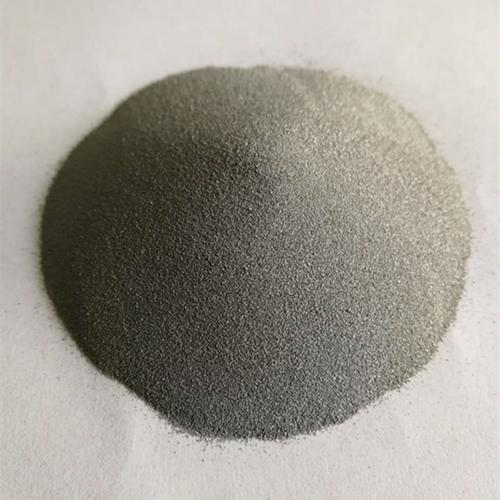
Titanium powder, often abbreviated as Ti powder, refers to finely divided particles of titanium metal or its compounds. Unlike bulk titanium, which is known for its strength-to-density ratio and corrosion resistance, titanium powder unlocks unique processing capabilities—especially in powder metallurgy and additive manufacturing. It comes in various forms: pure titanium powder, titanium alloy powder (like the widely used Ti6Al4V or Ti64 powder), and compound variants such as titanium nitride powder, titanium carbide powder, and titanium diboride (TiB2) powder. Note that TIO2 powder (titanium dioxide) is chemically distinct—it’s an oxide used in pigments and sunscreens, not structural applications.
3. How Is Titanium Powder Made?
3.1 Gas Atomized Titanium Powder
Gas atomization is the gold standard for producing spherical titanium powder ideal for 3D printing. In this process, molten titanium is disintegrated by high-pressure inert gas (usually argon), forming fine, round droplets that solidify into smooth, flowable particles. Spherical titanium powder made this way ensures excellent packing density and consistent layer deposition in laser-based additive manufacturing systems.
3.2 HDH Titanium Powder
Hydride-Dehydride (HDH) is a cost-effective method yielding irregularly shaped particles. Titanium sponge is first hydrogenated to become brittle, then milled into powder and dehydrogenated. While HDH titanium powder is less suitable for high-end 3D printing due to poor flowability, it’s commonly used in pressing-and-sintering applications and is often more affordable.
3.3 Other Forms
Specialty variants include titanium nanopowder (used in catalysis and coatings), titanium flash powder (pyrotechnic mixtures), and burnt titanium powder coat residues—though these are niche. Also note TiH2 powder (titanium hydride), which serves as a foaming agent in metal matrix composites.
4. Key Applications of Titanium Powder
4.1 Titanium Powder for 3D Printing
Additive manufacturing has revolutionized aerospace, medical implants, and motorsports—industries where titanium’s biocompatibility and strength matter. Titanium powder for 3D printing must meet strict standards: high purity, spherical morphology, and controlled particle size (typically 15–45 microns). Ti6Al4V powder dominates this segment due to its excellent mechanical properties. When evaluating titanium powder for 3d printing price, expect premiums for gas-atomized, certified lots—often $300–$800 per kg depending on volume and supplier.
4.2 Industrial and Chemical Uses
Beyond printing, titanium powder uses span reactive sintering, welding consumables, and pyrotechnics. Titanium boride powder and titanium diboride powder serve in wear-resistant ceramics and armor. Meanwhile, titanium-coated diamond powder enhances cutting tools. Notably, titanium dust can be pyrophoric—handling requires inert atmospheres.
5. Pricing and Market Considerations
5.1 Titanium Powder Price Factors
Titanium powder price per kg varies dramatically based on form, purity, and production method. Pure titanium powder from HDH processes may cost $100–$250/kg, while aerospace-grade spherical Ti6Al4V powder can exceed $600/kg. The titanium powder cost also depends on order volume, certification (e.g., ASTM F1557), and whether it’s virgin or recycled material. Always compare ti powder price quotes from multiple titanium powder suppliers.
5.2 Where to Buy
Reputable sources include international titanium powder vendors specializing in additive manufacturing feedstocks. When you buy titanium powder, verify certifications, particle size distribution, and oxygen content—critical for print quality. Many suppliers offer titanium powder for sale online with technical datasheets. For research-scale needs, smaller quantities of titanium nanopowder or TIO2 nano powder are available through lab chemical distributors.
6. Related Metal Powders: Molybdenum and Tungsten
While titanium dominates lightweight applications, molybdenum powder and tungsten powder fill high-temperature niches. Moly powder (including molybdenum disulfide powder, MoS2 powder, and TZM powder) is valued for lubrication and furnace components. Similarly, tungsten powder—sourced from companies like Global Tungsten & Powders Corporation—powers heavy alloys, radiation shielding, and cutting tools. Tungsten carbide powder, fused tungsten carbide, and spherical tungsten powder serve thermal spray and wear-resistant coatings. Prices for tungsten powder per kg range from $50 to $200+, influenced by purity and morphology.
7. Conclusion
Titanium powder is far more than just ground metal—it’s a gateway to advanced manufacturing, biomedical innovation, and high-performance engineering. Whether you’re sourcing ti6al4v powder for aerospace 3D printing or exploring titanium diboride price trends for ceramics, understanding the nuances of form, function, and cost is crucial. As demand grows, so does the importance of partnering with reliable titanium powder suppliers who deliver consistency, safety, and value.
Our Website founded on October 17, 2012, is a high-tech enterprise committed to the research and development, production, processing, sales and technical services of ceramic relative materials such as Understand. Our products includes but not limited to Boron Carbide Ceramic Products, Boron Nitride Ceramic Products, Silicon Carbide Ceramic Products, Silicon Nitride Ceramic Products, Zirconium Dioxide Ceramic Products, etc. If you are interested, please feel free to contact us.