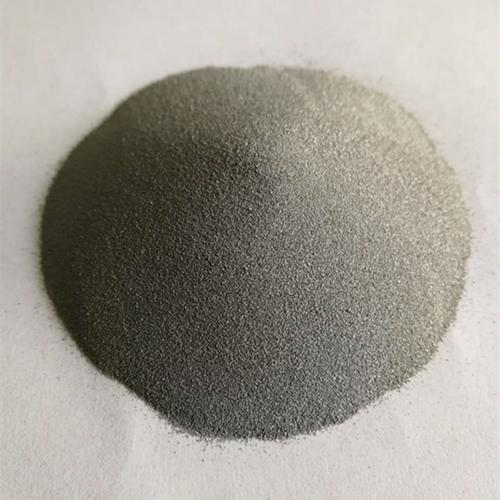
1. What Is Titanium Powder?
Titanium powder—often referred to as ti powder—is a fine particulate form of titanium metal used across aerospace, medical, and additive manufacturing industries. Unlike bulk titanium, which is known for its strength-to-density ratio and corrosion resistance, titanium powder unlocks new possibilities through processes like 3D printing and metal injection molding. Available in various grades and morphologies (spherical, irregular, nano), it’s a cornerstone material in modern advanced manufacturing.
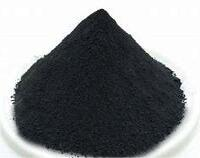
Pure titanium powder is typically produced via methods like gas atomization or the HDH (Hydride-Dehydride) process. While pure forms serve specific applications, many industrial uses rely on titanium alloy powder, especially ti6al4v powder (also called ti64 powder), which offers enhanced mechanical properties.
2. Common Types of Titanium Powder
Not all titanium powders are created equal. The right type depends heavily on your application:
- Spherical titanium powder: Ideal for titanium powder additive manufacturing due to excellent flowability and packing density.
- HDH titanium powder: Irregular-shaped, cost-effective, and commonly used in pressing and sintering.
- Ti6Al4V powder: The most widely used titanium alloy powder, especially in aerospace and biomedical implants.
- Titanium nanopowder and tio2 nano powder: Used in catalysts, coatings, and sunscreens (note: tio2 powder is titanium dioxide, not metallic titanium).
- Specialty variants like titanium nitride powder, titanium carbide powder, titanium diboride powder (tib2 powder), and titanium boride powder serve niche roles in wear-resistant coatings and composites.
It’s important to distinguish between metallic titanium powders (like pure titanium powder or ti6al4v) and compounds like tio2 powder, which have very different properties and uses.
3. Titanium Powder for 3D Printing: A Game-Changer
One of the fastest-growing applications for titanium powder is in additive manufacturing. Titanium 3d printing powder—particularly spherical, gas atomized ti6al4v powder—enables the production of complex, lightweight parts for jet engines, prosthetics, and dental implants.
The demand for titanium powder for 3d printing has surged, driving innovation in powder recycling and quality control. When evaluating titanium powder for sale for AM use, look for consistent particle size distribution (typically 15–45 microns), low oxygen content, and high sphericity.
While titanium powder for 3d printing price remains high compared to steel or aluminum powders, costs are gradually decreasing as production scales up. Expect to pay anywhere from $300 to $800 per kg depending on grade, purity, and supplier.
4. Understanding Titanium Powder Price Factors
The titanium powder price per kg varies widely based on several factors:
- Purity: Pure titanium powder costs less than high-spec ti6al4v powder.
- Morphology: Spherical, gas atomized titanium powder commands a premium over irregular HDH powder.
- Volume: Bulk orders from a trusted titanium powder supplier often reduce the titanium metal powder price significantly.
- Certification: Aerospace-grade powders with full traceability cost more.
As of 2024, average titanium powder cost ranges from $150/kg for basic HDH powder to over $1,000/kg for certified spherical ti6al4v powder for critical applications. Always compare ti powder price quotes from multiple international titanium powder suppliers before buying.
5. Safety, Handling, and Misconceptions
Titanium dust can be flammable under certain conditions—especially fine or nano-sized particles—so proper handling in inert atmospheres is essential. Contrary to some myths, titanium powder isn’t typically pyrophoric like some reactive metals, but precautions are still necessary.
Also, don’t confuse titanium metal powder with burnt titanium powder coat or titanium flash powder (used in pyrotechnics). These are entirely different materials with distinct safety profiles.
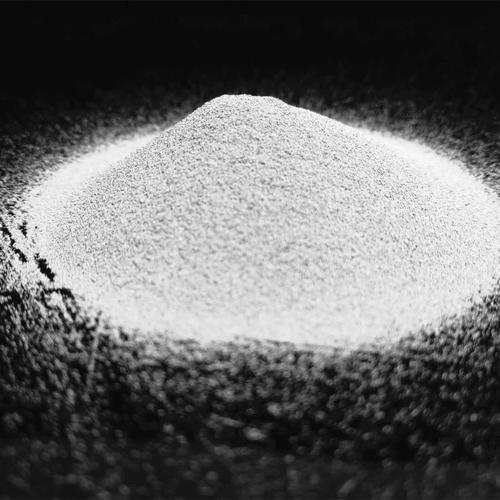
And no—adding tio2 powder to your soap or buttercream won’t give you structural metal parts! That’s cosmetic-grade titanium dioxide, not engineering-grade ti powder.
6. Beyond Titanium: Molybdenum and Tungsten Powders
While titanium dominates lightweight high-strength applications, other refractory metal powders play crucial roles too. Molybdenum powder (moly powder)—including molybdenum disulfide powder (mos2 powder), molybdenum carbide powder, and tzm powder—is valued for high-temperature stability and lubrication.
Similarly, tungsten powder and tungsten carbide powder offer extreme density and hardness. Used in cutting tools, radiation shielding, and wear parts, these materials complement titanium in high-performance systems. Global tungsten & powders corporation and other suppliers provide spherical tungsten powder, fused tungsten carbide, and ws2 powder for specialized needs.
Though not direct substitutes, comparing molybdenum powder price or tungsten powder price per kg helps engineers select the right material for thermal, electrical, or mechanical requirements.
7. Where to Buy and What to Watch For
When you’re ready to buy titanium powder, choose a reputable titanium powder supplier with certifications (e.g., ISO, AS9100). Look for transparency in testing data—oxygen content, particle size, Hall flow rate—and ask whether the powder is gas atomized or HDH.
Beware of misleading listings: ‘titanium coated diamond powder’ or ‘tih2 powder’ (titanium hydride) aren’t standard for 3D printing. Similarly, ensure you’re not accidentally ordering tio2 powder when you need metallic ti powder.
For prototyping or small batches, many suppliers offer titanium powder for sale in 1–5 kg quantities. For production-scale additive manufacturing, negotiate long-term contracts to lock in favorable titanium powder additive manufacturing pricing.
8. Conclusion
Titanium powder is far more than just ground-up metal—it’s a high-tech enabler of next-generation manufacturing. From life-saving implants made with ti64 powder to jet components built via titanium powder additive manufacturing, its impact is profound. While the titanium powder price per kg may seem steep, its performance justifies the cost in critical applications. As production methods improve and competition grows among global suppliers, accessibility will only increase—making now an exciting time to explore what titanium powder can do for your industry.
Our Website founded on October 17, 2012, is a high-tech enterprise committed to the research and development, production, processing, sales and technical services of ceramic relative materials such as 10. Our products includes but not limited to Boron Carbide Ceramic Products, Boron Nitride Ceramic Products, Silicon Carbide Ceramic Products, Silicon Nitride Ceramic Products, Zirconium Dioxide Ceramic Products, etc. If you are interested, please feel free to contact us.