1. Introduction
Just 24 hours ago, NASA and Relativity Space announced a breakthrough in reusable rocket engine development using titanium powder-based 3D printing—a move that slashes production time by 70% while enhancing thermal resilience. This milestone underscores how titanium powder has moved beyond labs into mission-critical aerospace systems.
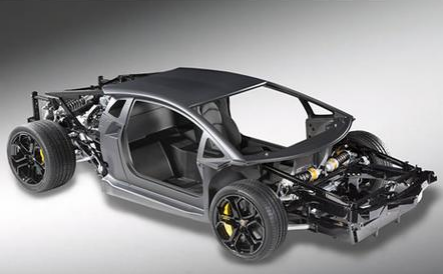
While most people associate titanium with jewelry or sports gear, its powdered form—especially in additive manufacturing—is revolutionizing industries where strength-to-weight ratio, corrosion resistance, and performance under extreme conditions matter most. In this article, we’ll dive into the real-world, high-stakes use of titanium powder in aerospace 3D printing, including costs, material specs, and supplier insights.
2. Why Titanium Powder? The Aerospace Advantage
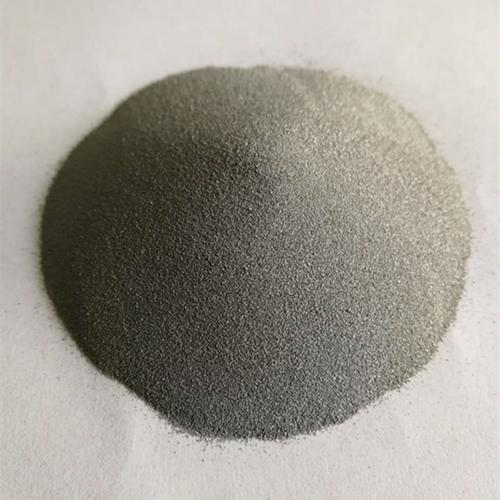
Aerospace engineers demand materials that won’t buckle under stress, heat, or fatigue. Enter titanium powder—specifically titanium alloy powder like Ti6Al4V (also known as Ti64 powder). This alloy combines titanium with 6% aluminum and 4% vanadium, offering exceptional mechanical properties ideal for jet turbines, landing gear, and satellite components.
Unlike traditional machining, which wastes up to 90% of raw titanium, 3D printing with titanium powder enables near-net-shape fabrication. That means less waste, faster prototyping, and complex geometries impossible with casting or forging.
2.1. The Critical Role of Powder Morphology
Not all titanium powder works for 3D printing. For reliable layer-by-layer fusion in laser powder bed fusion (LPBF) systems, you need spherical titanium powder with tight particle size distribution (typically 15–45 microns). Gas atomized titanium powder is preferred over HDH (hydride-dehydride) powder because its round particles flow smoothly and pack densely—critical for defect-free prints.
Impurities are a major concern. Even trace oxygen can embrittle parts. That’s why aerospace-grade pure titanium powder must meet ASTM or AMS standards, with oxygen content below 0.13%.
2.2. Popular Grades and Their Uses
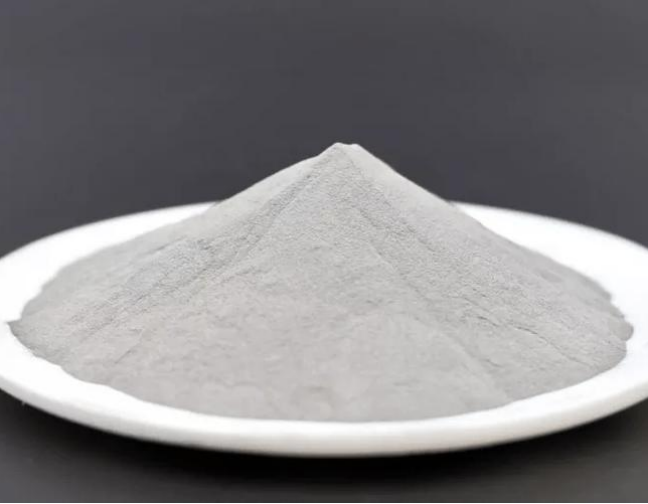
- Ti6Al4V powder: The workhorse of aerospace AM; used in GE Aviation’s LEAP engine fuel nozzles.
- Pure titanium powder (Grade 1 or 2): Chosen for biocompatible or highly corrosion-resistant parts.
- TiB2 powder (titanium diboride powder): Added as a reinforcement in metal matrix composites for wear resistance.
- Titanium nitride powder & titanium carbide powder: Used in coatings, not bulk printing, but sometimes blended for surface hardening.
Note: Titanium flash powder and burnt titanium powder coat are unrelated to industrial AM—they’re pyrotechnic or decorative terms and should not be confused with engineering-grade titanium metal powder.
3. Pricing and Procurement Realities
One of the biggest questions buyers ask is: what’s the titanium powder price per kg? As of mid-2024, titanium powder for 3D printing price ranges from $300 to $800/kg, depending on grade, purity, and morphology. Ti6Al4V powder price typically sits around $450–$600/kg for aerospace-certified, spherical, gas-atomized batches.
By comparison, molybdenum powder price hovers around $80–$150/kg, and tungsten powder price per kg is $50–$120—but these serve different applications. Titanium’s premium reflects its unmatched strength-to-density ratio (4.5 g/cm³ vs. tungsten’s 19.3 g/cm³!).
When you buy titanium powder, always verify certifications. Reputable titanium powder suppliers like Carpenter Technology, Sandvik Osprey, and international titanium powder vendors provide full traceability, including lot-specific chemistry and flowability data.
Beware of misleading listings for ‘titanium dust’ or ‘titanium nanopowder’—these may lack the consistency needed for additive manufacturing. Stick to ‘titanium 3d printing powder’ or ‘spherical titanium powder’ when sourcing.
4. Beyond Titanium: When Molybdenum or Tungsten Powders Step In
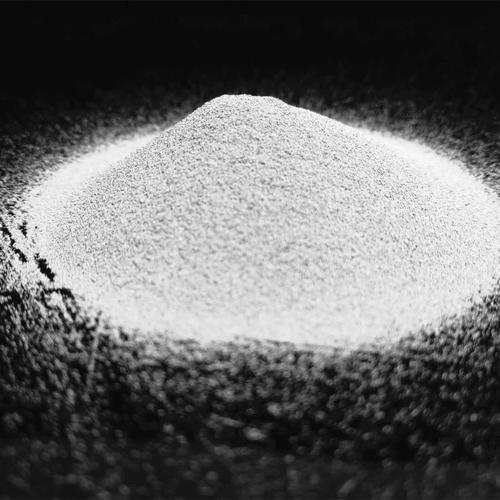
While titanium dominates lightweight aerospace structures, ultra-high-temp zones (like rocket nozzles) sometimes require refractory metals. That’s where molybdenum metal powder and tungsten metal powder come in.
Molybdenum disulfide powder (MoS2 powder) is prized as a dry lubricant in vacuum environments, while tungsten carbide powder excels in wear-resistant coatings. However, neither matches titanium’s balance of lightness and toughness for airframes.
Specialty blends like TZM powder (titanium-zirconium-molybdenum) offer creep resistance above 1,000°C—but at higher density and cost. For most flight-critical components under 600°C, titanium alloy powder remains king.
5. Future Outlook and Where to Buy
Demand for titanium powder for sale is surging, driven by defense contracts, space startups, and next-gen commercial aviation. Innovations like in-situ alloying and recycled titanium powder could lower titanium powder cost in coming years.
If you’re looking to buy titanium powder, prioritize suppliers offering gas atomized Ti64 powder with full documentation. Avoid generic marketplaces unless you can independently verify specs—counterfeit or off-spec powder risks catastrophic print failures.
Also keep an eye on emerging materials like titanium coated diamond powder for thermal management or TiH2 powder as a foaming agent—but these remain experimental in aerospace AM.
6. Conclusion
Titanium powder isn’t just another industrial material—it’s the backbone of modern aerospace innovation. From reducing aircraft weight to enabling rapid iteration of rocket parts, titanium powder uses in additive manufacturing are reshaping how we explore the skies and beyond. While the titanium powder price per kg remains high, the performance payoff justifies the investment for cutting-edge engineering. As 3D printing scales, expect even broader adoption—and smarter sourcing strategies—from qualified titanium powder suppliers worldwide.
Our Website founded on October 17, 2012, is a high-tech enterprise committed to the research and development, production, processing, sales and technical services of ceramic relative materials such as How. Our products includes but not limited to Boron Carbide Ceramic Products, Boron Nitride Ceramic Products, Silicon Carbide Ceramic Products, Silicon Nitride Ceramic Products, Zirconium Dioxide Ceramic Products, etc. If you are interested, please feel free to contact us.