1. Introduction
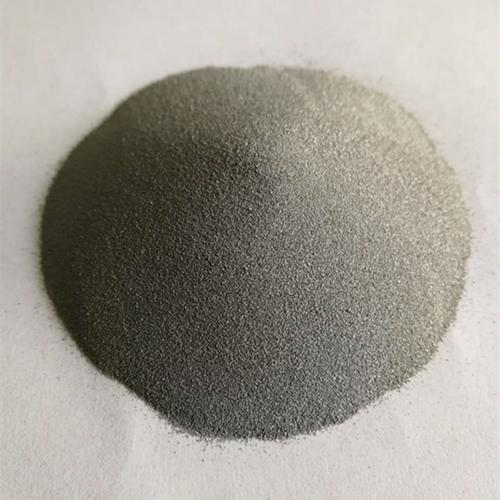
When you hear ‘titanium powder,’ you might picture fireworks or industrial catalysts—but its most transformative role today is in cutting-edge 3D printing. From jet engines to hip replacements, titanium powder is enabling engineers and surgeons to build complex, lightweight, and biocompatible parts that were once impossible to manufacture.
Unlike bulk titanium, which is expensive and hard to machine, titanium powder—especially in spherical, gas-atomized form—feeds seamlessly into additive manufacturing systems. This niche application is reshaping entire industries, and demand for high-purity titanium metal powder is soaring.
2. Titanium Powder in Additive Manufacturing
Additive manufacturing (AM), or 3D printing, relies heavily on metal powders that melt cleanly and fuse precisely under lasers or electron beams. Among these, titanium powder stands out for its strength-to-density ratio, corrosion resistance, and biocompatibility.
2.1. Why Titanium? The Material Advantages
Titanium alloys like Ti6Al4V (also known as Ti64) offer exceptional performance at high temperatures and in corrosive environments—perfect for aerospace. In medicine, pure titanium powder and Ti6Al4V powder are non-toxic and integrate well with human bone, making them ideal for custom implants.
Compared to alternatives like stainless steel or cobalt-chrome, titanium reduces weight without sacrificing strength—a critical factor in both aircraft design and patient mobility.
2.2. Key Powder Types for 3D Printing
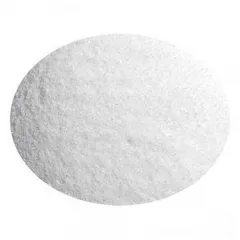
- Spherical titanium powder: Ensures smooth flow in powder-bed fusion machines.
- Gas atomized titanium powder: Produces highly spherical, low-oxygen particles ideal for aerospace AM.
- HDH titanium powder (Hydride-Dehydride): Cheaper but irregularly shaped; better suited for pressing than high-end 3D printing.
- Ti6Al4V powder: The most widely used titanium alloy powder in AM, especially for load-bearing medical and aerospace parts.
- Pure titanium powder: Preferred for dental and cranial implants due to superior biocompatibility.
3. Pricing and Sourcing Considerations
The titanium powder price per kg varies dramatically based on purity, particle size, morphology, and production method. As of 2024, standard titanium 3D printing powder costs between $300 and $800 per kg, while high-spec spherical Ti6Al4V powder can exceed $1,000/kg.
Factors influencing titanium powder cost include:
- Oxygen content (lower = more expensive)
- Particle size distribution (narrower = better for printing)
- Certification for medical or aerospace use
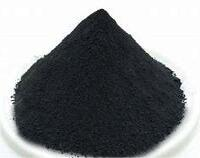
Buyers often compare titanium powder price with alternatives like molybdenum powder or tungsten powder—but these serve very different niches. Molybdenum metal powder excels in high-temp furnaces, while tungsten powder is used where extreme density is needed (e.g., radiation shielding). Neither matches titanium’s biocompatibility or strength-to-weight ratio.
3.1. Where to Buy and What to Watch For
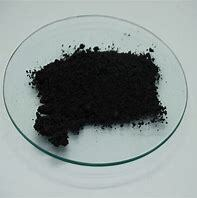
Reputable titanium powder suppliers provide certificates of analysis, including oxygen levels, particle size (typically 15–45 µm for laser melting), and flowability data. When you buy titanium powder, ensure it’s labeled for additive manufacturing—not all ‘titanium dust’ or burnt titanium powder coat residues are suitable.
Beware of misleading terms: titanium nitride powder, titanium carbide powder, and titanium diboride powder (TiB2 powder) are ceramics used for coatings or composites, not structural 3D printing. Similarly, TiO2 nano powder is a photocatalyst or pigment—not a metal feedstock.
4. Beyond Titanium: Context with Molybdenum and Tungsten Powders
While titanium dominates lightweight AM, other advanced powders fill complementary roles:
- Molybdenum disulfide powder (MoS2 powder) acts as a dry lubricant in high-vacuum environments.
- Tungsten carbide powder is used in wear-resistant thermal spray coatings.
- TZM powder (a molybdenum alloy) handles extreme heat in rocket nozzles.
However, none of these are used for patient implants or lightweight airframes like titanium alloy powder. Global tungsten & powders corporation and major molybdenum powder suppliers serve different markets entirely.
5. Safety and Handling Notes
Fine titanium powder can be pyrophoric—meaning it may ignite spontaneously in air if particle size is below 10 µm. Always handle titanium metal powder in inert atmospheres (argon or nitrogen) and avoid open flames.
Never confuse titanium flash powder (a pyrotechnic mix) with industrial-grade titanium powder for 3D printing. The former is hazardous and not used in manufacturing.
6. Conclusion
Titanium powder isn’t just another industrial material—it’s the backbone of next-generation aerospace and medical innovation. Whether you’re sourcing spherical titanium powder for a satellite component or pure titanium powder for a custom spinal implant, understanding specs, pricing, and supplier reliability is crucial.
As additive manufacturing scales, expect titanium powder prices to gradually fall, but quality will remain non-negotiable. For engineers and procurement teams, knowing the difference between Ti64 powder and titanium-coated diamond powder—or between gas-atomized and HDH—is what separates successful builds from costly failures.
Our Website founded on October 17, 2012, is a high-tech enterprise committed to the research and development, production, processing, sales and technical services of ceramic relative materials such as How. Our products includes but not limited to Boron Carbide Ceramic Products, Boron Nitride Ceramic Products, Silicon Carbide Ceramic Products, Silicon Nitride Ceramic Products, Zirconium Dioxide Ceramic Products, etc. If you are interested, please feel free to contact us.