1. Introduction
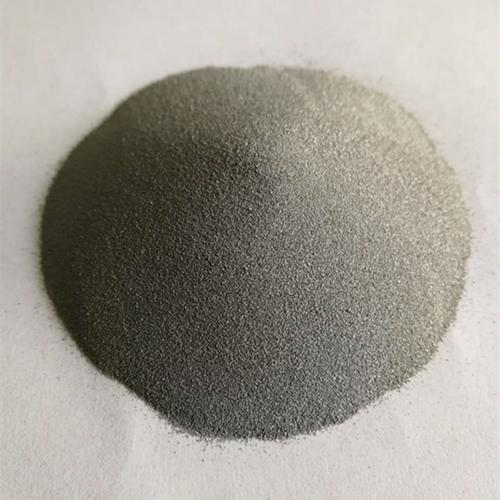
Just 24 hours ago, a major aerospace manufacturer announced a new partnership with an international titanium powder supplier to scale up production of gas atomized Ti6Al4V powder for additive manufacturing—highlighting just how hot (and expensive) the titanium powder market has become. If you’ve ever Googled ‘how much does titanium powder cost’ at 2 a.m. while designing a custom drone part, you’re not alone. Whether you’re into 3D printing, metallurgy, or just curious about that sparkly grey dust in industrial catalogs, this guide will help you safely buy, handle, and use titanium powder without blowing your budget—or your eyebrows off.
2. Understanding Titanium Powder Variants
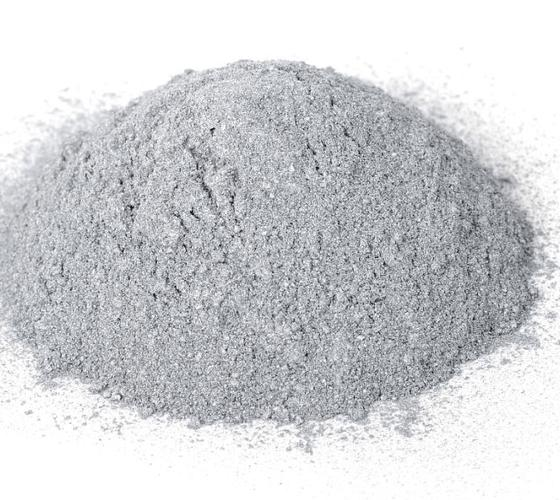
Not all titanium powder is created equal. In fact, calling it all ‘titanium powder’ is like calling every dog a ‘poodle.’ Here’s a quick breakdown of common types you’ll encounter:
- Pure titanium powder: Great for research or basic sintering; often made via HDH (Hydride-Dehydride) process.
- Ti6Al4V powder (also called Ti64 powder): The superstar of titanium alloy powder, used in 90% of titanium 3D printing applications thanks to its strength-to-weight ratio.
- Spherical titanium powder: Essential for smooth flow in laser powder bed fusion machines—usually gas atomized.
- Titanium nitride powder and titanium carbide powder: Hard, ceramic-like compounds used in coatings and cutting tools, not for printing.
- TiO2 powder (titanium dioxide): A white pigment—common in sunscreen and paint—but chemically very different from reactive titanium metal powder.
And no, mixing TiO2 nano powder into your buttercream won’t give your cake superpowers (or SPF). Save the chemistry for the lab.
3. How to Buy Titanium Powder Without Getting Scammed
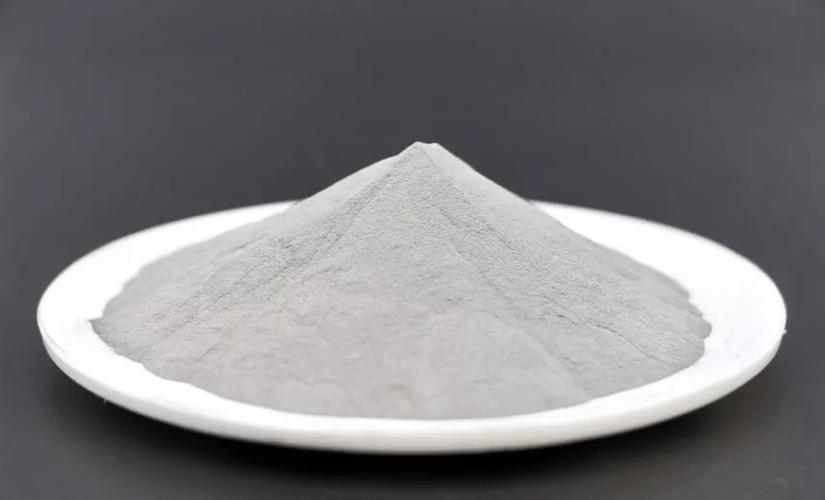
The phrase ‘buy titanium powder’ might sound simple, but prices swing wildly. As of this week, titanium powder price per kg ranges from $80 for basic HDH-grade to over $400 for high-purity, spherical Ti6Al4V powder for 3D printing. That’s why knowing your specs matters.
When sourcing from a titanium powder supplier, always ask:
- Is it gas atomized or HDH?
- What’s the particle size distribution? (For 3D printing, 15–45 microns is ideal.)
- Is it certified for additive manufacturing?
- Can they provide a certificate of analysis?
Beware of listings advertising ‘titanium flash powder’—that’s pyrotechnic material, not for engineering! And if a deal seems too good, it might be burnt titanium powder coat residue or contaminated stock.
4. Safety First: Handling Titanium Dust Like a Pro
Titanium metal powder is no joke. Fine titanium dust can be pyrophoric—meaning it can ignite spontaneously in air, especially when dry and finely divided. Always:
- Store in sealed, inert-atmosphere containers (argon or nitrogen).
- Avoid sparks, open flames, and static electricity.
- Use proper PPE: respirator, gloves, and eye protection.
- Never use water to extinguish a titanium powder fire—it can make things worse!
Fun fact: Unlike tungsten dust or molybdenum powder, which are relatively stable, titanium powder demands serious respect. Think of it as the diva of metal powders: gorgeous but temperamental.
5. Common Uses Beyond 3D Printing
While titanium powder for 3D printing dominates headlines, other applications are equally fascinating:
- Titanium diboride powder (TiB2) and titanium boride powder are used in armor and wear-resistant composites.
- Titanium-coated diamond powder enhances grinding tools.
- TiH2 powder serves as a foaming agent in metal matrix composites.
Meanwhile, don’t confuse titanium with similar-sounding materials. Molybdenum disulfide powder (MoS2 powder) is a dry lubricant. Tungsten carbide powder is for cutting tools. And wolfram powder? That’s just another name for tungsten metal powder—dense, heavy, and not reactive like ti powder.
6. Pricing Reality Check: What Really Drives Titanium Powder Cost?
Several factors influence titanium powder price:
- Purity: Aerospace-grade > industrial-grade.
- Morphology: Spherical > irregular (HDH).
- Alloy type: Ti6Al4V powder price is higher than pure titanium powder due to complex processing.
- Volume: Buying 1 kg vs. 100 kg changes the game.
As of May 2024, average titanium metal powder price hovers around $150–$250/kg, while 3D printing titanium powder price can hit $350–$500/kg for certified Ti64. Compare that to molybdenum powder price (~$30/kg) or tungsten powder price per kg (~$50/kg)—titanium’s premium reflects its performance, not just hype.
7. Where to Find Reputable Suppliers
Stick with established names. Look for suppliers who also handle molybdenum powder suppliers or tungsten powder suppliers—they usually have better quality control. Global players like international titanium powder distributors or specialized additive manufacturing vendors offer traceable, tested batches. Avoid random eBay or Alibaba listings unless you’ve verified certifications.
8. Conclusion
Titanium powder isn’t something you casually toss into a shopping cart like protein powder (and yes, some protein powders contain molybdenum—but that’s a whole other story). Whether you’re exploring titanium powder uses in aerospace, medical implants, or experimental alloys, do your homework on specs, safety, and suppliers. With smart choices, you’ll harness the power of ti powder without turning your workshop into a fireworks display.
Our Website founded on October 17, 2012, is a high-tech enterprise committed to the research and development, production, processing, sales and technical services of ceramic relative materials such as How. Our products includes but not limited to Boron Carbide Ceramic Products, Boron Nitride Ceramic Products, Silicon Carbide Ceramic Products, Silicon Nitride Ceramic Products, Zirconium Dioxide Ceramic Products, etc. If you are interested, please feel free to contact us.