1. Introduction
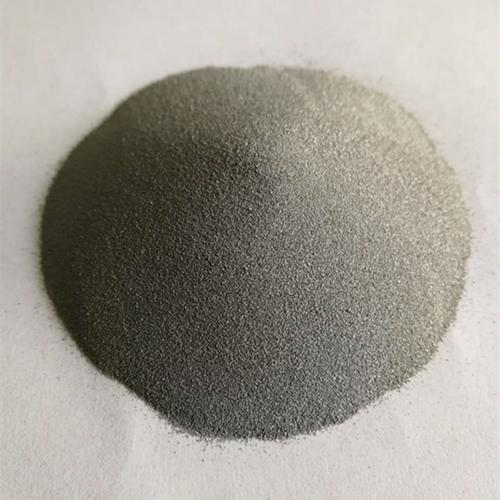
Titanium powder—often referred to as ti powder—is a versatile material used across aerospace, medical implants, additive manufacturing, and even pyrotechnics. But working with it isn’t as simple as scooping sugar from a jar. From fire risks to price fluctuations, handling titanium powder requires knowledge and caution. In this guide, we’ll walk you through how to safely use, store, and buy titanium powder while avoiding common mistakes.
2. Understanding Types of Titanium Powder
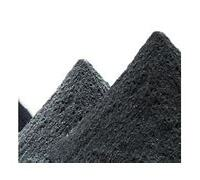
Not all titanium powders are the same. The right type depends on your application:
- Pure titanium powder: Ideal for research or basic metallurgy.
- Ti6Al4v powder (also called ti64 powder): The most common titanium alloy powder, widely used in titanium powder for 3d printing due to its strength-to-weight ratio.
- Spherical titanium powder: Produced via gas atomized titanium powder methods, this form flows better in 3D printers.
- HDH titanium powder: Made through the hydride-dehydride process; less expensive but irregularly shaped.
- Specialty variants like titanium nitride powder, titanium carbide powder, titanium diboride powder (tib2 powder), and tih2 powder serve niche roles in coatings, cutting tools, or reactive mixtures.
Also note: tio2 powder (titanium dioxide) and tio2 nano powder are chemically different—they’re oxides, not metallic—and shouldn’t be confused with reactive titanium metal powder.
3. Common Uses and Applications
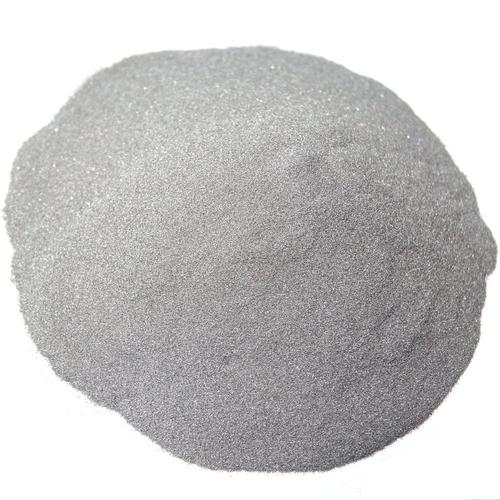
Titanium powder uses span multiple high-tech fields. In additive manufacturing, titanium powder additive manufacturing enables lightweight aerospace parts and custom medical implants. Ti6al4v powder is especially popular here.
Other applications include:
- Pyrotechnics (e.g., titanium flash powder for bright sparks—handle with extreme care!)
- Metal injection molding (MIM)
- Thermal spray coatings (sometimes blended with tungsten carbide powder or molybdenum disulfide powder for wear resistance)
- Research into composites like titanium coated diamond powder or titanium boride powder
Always match the powder type to your intended use—substituting tio2 powder for pure titanium powder in a reactive process could lead to failure or danger.
4. Safety First: Handling Titanium Dust
Titanium dust is flammable and can be pyrophoric—meaning fine particles may ignite spontaneously in air. Follow these safety steps:
- Work in a well-ventilated area or inert atmosphere (argon/nitrogen glovebox).
- Avoid open flames, sparks, or static electricity.
- Store in sealed, non-reactive containers away from oxidizers.
- Wear appropriate PPE: respirator, gloves, and eye protection.
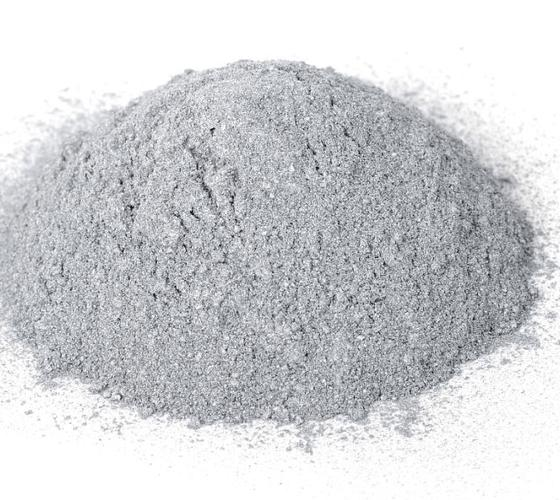
Never confuse burnt titanium powder coat residue with usable powder—it’s oxidized and no longer suitable for metal processing.
5. How to Buy Titanium Powder Without Overpaying
The titanium powder price per kg varies widely based on purity, particle size, shape, and alloy. For example, titanium powder for 3d printing price typically ranges from $300 to $800/kg, while pure titanium powder may cost less. Ti6al4v powder price often sits at the higher end due to demand.
To get the best deal when you buy titanium powder:
- Compare quotes from multiple titanium powder suppliers (look for ISO-certified vendors).
- Ask whether it’s gas atomized or HDH—spherical titanium powder costs more but performs better in 3D printing.
- Check minimum order quantities; bulk orders lower the titanium powder cost per kg.
- Beware of suspiciously low titanium powder price listings—they may be mislabeled tio2 powder or contaminated material.
Reputable sources include international titanium powder distributors and specialized metal powder companies.
6. Related Powders: When to Consider Molybdenum or Tungsten
In many industrial applications, titanium powder is used alongside other refractory metal powders. For instance:
- Molybdenum powder (moly powder) and molybdenum disulfide powder (mos2 powder) are common dry lubricants; moly disulfide powder uses include high-temp greases and coatings.
- Tungsten powder and tungsten carbide powder offer extreme hardness and density—ideal for cutting tools or radiation shielding.
If you’re blending powders (e.g., for sintering or thermal spray), ensure compatibility. Never mix reactive titanium metal powder with strong oxidizers like molybdenum trioxide powder (moo3 powder) or tungsten oxide powder without expert guidance.
Suppliers often carry full lines: you might find molybdenum powder suppliers who also sell tungsten powder for sale, spherical tungsten powder, or even fused tungsten carbide powder.
7. Troubleshooting Common Issues
- Problem: Poor flow in 3D printer → Solution: Switch to spherical titanium powder with consistent particle size distribution.
- Problem: Unexpected ignition during handling → Solution: Confirm you’re not using ultra-fine titanium nanopowder without proper inerting.
- Problem: High titanium powder price → Solution: Consider recycled or off-spec batches for non-critical applications (verify chemistry first!).
- Problem: Confusion between titanium dioxide and metallic titanium → Remember: tio2 powder is white, stable, and used in sunscreens or food; titanium metal powder is gray, reactive, and conductive.
8. Conclusion
Whether you’re exploring titanium powder for 3d printing, research, or industrial manufacturing, understanding the differences between pure titanium powder, ti64 powder, and specialty variants like titanium diboride powder is crucial. Always prioritize safety, verify supplier credentials, and match the powder characteristics to your application. With the right knowledge, you can harness the power of titanium powder efficiently—and avoid costly or dangerous mistakes.
Our Website founded on October 17, 2012, is a high-tech enterprise committed to the research and development, production, processing, sales and technical services of ceramic relative materials such as How. Our products includes but not limited to Boron Carbide Ceramic Products, Boron Nitride Ceramic Products, Silicon Carbide Ceramic Products, Silicon Nitride Ceramic Products, Zirconium Dioxide Ceramic Products, etc. If you are interested, please feel free to contact us.