1. Introduction
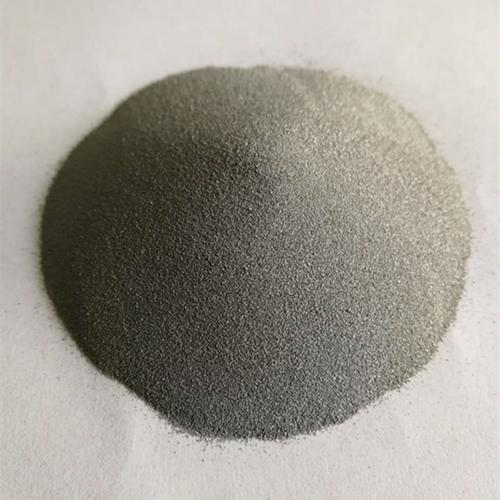
Titanium powder—often referred to as ti powder—is a versatile material used across aerospace, medical implants, additive manufacturing, and even pyrotechnics. But with so many forms (like pure titanium powder, ti6al4v powder, and tio2 powder) and safety considerations, knowing how to handle, select, and buy titanium powder correctly is essential. This guide breaks down the process step by step, helping you avoid common pitfalls and make informed decisions.
2. Understanding the Types of Titanium Powder
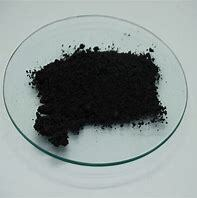
Not all titanium powders are created equal. The right type depends on your application:
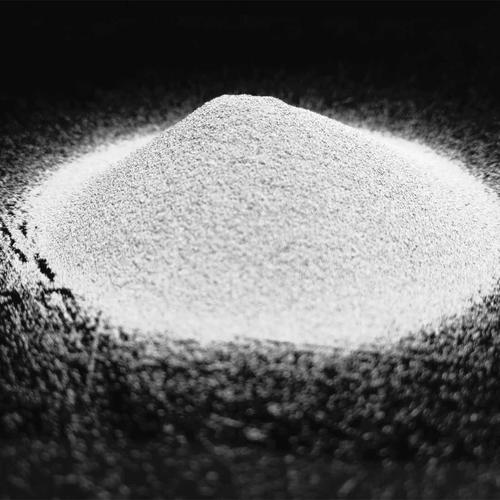
- Pure titanium powder: Used in research and some chemical processes.
- Ti6al4v powder (also called ti64 powder): The most common titanium alloy powder for 3D printing due to its strength-to-weight ratio.
- Spherical titanium powder: Ideal for titanium powder additive manufacturing because it flows smoothly in printers.
- HDH titanium powder (Hydride-Dehydride): Irregular-shaped, cost-effective, but less suitable for high-precision 3D printing.
- Gas atomized titanium powder: High-purity, spherical particles perfect for aerospace and medical parts.
- Specialty variants like titanium nitride powder, titanium carbide powder, titanium diboride powder (tib2 powder), and titanium boride powder serve niche roles in coatings and composites.
Also note: tio2 nano powder (titanium dioxide) is chemically different from metallic titanium powder and is used in sunscreens, paints, and food—not in metal 3D printing.
3. Common Uses of Titanium Powder
Titanium powder uses span multiple high-tech industries:
- Titanium powder for 3D printing enables lightweight, complex aerospace components and custom orthopedic implants.
- In metallurgy, it’s blended into alloys or used as a deoxidizer.
- Titanium flash powder (a mix with oxidizers) creates bright sparks in fireworks—but is highly reactive and regulated.
- Burnt titanium powder coat residues may appear after thermal processes and require careful removal.
Always match the powder form to your use case. For example, don’t substitute tio2 powder for titanium metal powder in additive manufacturing—it won’t sinter like metal.
4. Safety First: Handling Titanium Dust
Titanium dust is flammable and can be pyrophoric in fine forms—meaning it may ignite spontaneously in air. Follow these safety steps:
- Work in a well-ventilated area or inert atmosphere (argon/nitrogen).
- Avoid open flames, sparks, or static electricity.
- Use explosion-proof equipment if handling large quantities.
- Store in sealed, non-reactive containers away from moisture and oxidizers.
Never confuse titanium metal powder with tih2 powder (titanium hydride), which releases hydrogen when heated and poses additional risks.
5. How to Buy Titanium Powder: Price, Suppliers, and Tips
When you’re ready to buy titanium powder, consider these factors:
- Titanium powder price per kg varies widely: $50–$500+ depending on purity, particle size, and shape. Ti6al4v powder price typically runs higher than pure grades.
- Titanium powder for 3d printing price is influenced by whether it’s gas atomized or HDH. Spherical titanium powder costs more but delivers better print quality.
- Reputable titanium powder suppliers include international titanium powder producers like AP&C, TLS Technik, and Carpenter Additive.
Pro tip: Always request a certificate of analysis (CoA) to verify oxygen content, particle size distribution, and flowability—critical for 3D printing success.
6. Comparing Titanium Powder to Molybdenum and Tungsten Powders
Sometimes, projects call for alternatives. Here’s how they stack up:
- Molybdenum powder (moly powder) has a higher melting point and is used in furnace parts. Molybdenum disulfide powder (mos2 powder) serves as a dry lubricant.
- Tungsten powder is denser and used in radiation shielding and heavy alloys. Tungsten carbide powder is extremely hard—ideal for cutting tools.
While titanium powder cost is generally lower than tungsten powder price per kg, each material serves distinct purposes. Don’t substitute without engineering validation.
7. Troubleshooting Common Issues
- Poor 3D print results? Check if your titanium 3d printing powder is contaminated or irregularly shaped. Switch to certified spherical ti64 powder.
- Unexpected ignition during handling? You may be using too-fine titanium dust without proper inerting. Review safety protocols immediately.
- Confused about titanium dioxide vs. metal powder? Remember: tio2 powder won’t conduct electricity or sinter like titanium metal powder.
8. Conclusion
Whether you’re exploring titanium powder for sale for additive manufacturing, researching titanium powder price trends, or comparing it to molybdenum or tungsten powders, clarity on type, safety, and supplier reliability is key. By following this guide, you’ll confidently navigate the world of titanium powder—avoiding costly mistakes and unlocking its full potential in your projects.
Our Website founded on October 17, 2012, is a high-tech enterprise committed to the research and development, production, processing, sales and technical services of ceramic relative materials such as How. Our products includes but not limited to Boron Carbide Ceramic Products, Boron Nitride Ceramic Products, Silicon Carbide Ceramic Products, Silicon Nitride Ceramic Products, Zirconium Dioxide Ceramic Products, etc. If you are interested, please feel free to contact us.