1. Introduction
In the past 48 hours, global demand for high-performance metal powders has surged due to expanded aerospace contracts involving additive manufacturing—particularly for titanium-based components. With companies racing to secure reliable sources of titanium powder for 3D printing, questions about safety, pricing, and material selection have become urgent for engineers, procurement teams, and hobbyists alike.
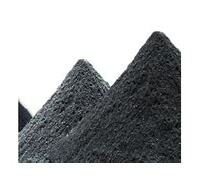
Whether you’re exploring titanium powder uses in aerospace, biomedical implants, or even pyrotechnics (like titanium flash powder), understanding how to properly handle, store, and source this reactive metal is essential. This guide walks you through everything you need to know—from identifying the right grade to avoiding common pitfalls when you buy titanium powder.
2. Understanding Different Types of Titanium Powder
Not all titanium powder is the same. The form and composition drastically affect performance, safety, and cost. Here’s a quick breakdown:
- Pure titanium powder: Used in research and some additive manufacturing applications where alloying elements aren’t needed.
- Ti6Al4v powder (also called Ti64 powder): The most common titanium alloy powder, ideal for 3D printing aerospace and medical parts due to its strength-to-weight ratio.
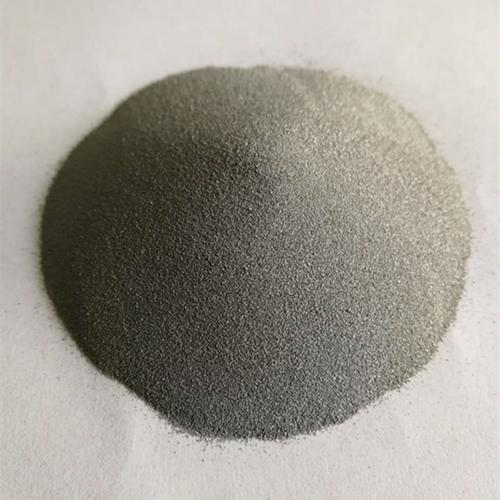
- Spherical titanium powder: Produced via gas atomization, this flowable powder is preferred for laser-based 3D printing (e.g., SLM or EBM).
- HDH titanium powder: Made through the hydride-dehydride process; angular particles, lower cost, but less suitable for high-precision 3D printing.
- Titanium nitride powder, titanium carbide powder, and titanium diboride powder (TiB2 powder): These are ceramic compounds used in coatings, cutting tools, and wear-resistant composites—not for structural 3D printing.
- Tio2 powder and tio2 nano powder: Titanium dioxide is chemically stable and widely used in sunscreens, paints, and food—not to be confused with reactive titanium metal powder.
3. Safety First: Handling Titanium Dust and Reactive Powders
Titanium metal powder is flammable and can be pyrophoric—especially in fine particle sizes (<45 microns). Always treat it as a fire hazard.

Store titanium powder in sealed, inert-atmosphere containers (argon or nitrogen). Never expose it to open flames, sparks, or moisture. Avoid creating dust clouds during handling—use fume hoods and explosion-proof equipment.
Note: Burnt titanium powder coat residues or accidental ignition can produce intense white sparks—this is why titanium sponge powder is sometimes used in pyrotechnics. But for industrial use, safety protocols are non-negotiable.
4. How to Choose the Right Titanium Powder for Your Project
Ask yourself these questions before purchasing:
- Is this for 3D printing? Then you’ll likely need spherical, gas atomized titanium powder or Ti6Al4V powder with tight particle size distribution (typically 15–45 µm).
- Are you working on metal injection molding (MIM)? HDH powder may suffice and reduce costs.
- Do you need high purity? Look for certified pure titanium powder with low oxygen and nitrogen content.
- Is cost a major factor? Compare titanium powder price per kg across suppliers—but beware of ultra-low prices that may indicate poor quality or incorrect specifications.
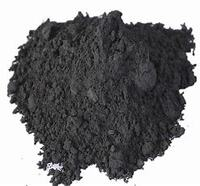
Also, don’t confuse titanium powder with similar-sounding materials like molybdenum powder or tungsten powder. While moly powder (molybdenum metal powder) and tungsten metal powder serve high-temp applications, they’re denser and behave very differently in processing.
5. Where and How to Buy Titanium Powder
When you search to ‘buy titanium powder’ or ‘titanium powder for sale,’ prioritize reputable titanium powder suppliers with certifications (ISO, ASTM). Look for details like:
- Production method (gas atomized vs. HDH)
- Particle morphology (spherical vs. irregular)
- Oxygen content (<0.15% is typical for aerospace-grade)
- Batch traceability
International titanium powder suppliers often list titanium powder price per kg online, but actual quotes depend on volume, purity, and alloy type. For example, titanium powder for 3D printing price typically ranges from $300 to $800/kg, while Ti6Al4V powder price may sit at the higher end.
Be cautious of vague listings—some sellers advertise ‘titanium powder’ but actually sell TiO2 powder, which is useless for metal additive manufacturing.
6. Common Mistakes to Avoid
- Assuming all ‘titanium powder’ is suitable for 3D printing (only specific spherical, low-oxygen grades work reliably).
- Storing titanium powder near oxidizers or in humid environments (risk of spontaneous combustion).
- Confusing titanium metal powder with titanium dioxide or titanium-coated diamond powder (completely different applications).
- Ignoring alternatives: In some high-temp applications, molybdenum disulfide powder (MoS2 powder) or tungsten carbide powder might be more appropriate—and sometimes cheaper.
7. Comparing Costs: Titanium vs. Molybdenum vs. Tungsten Powders
While titanium powder cost dominates headlines, it’s worth noting relative pricing:
- Titanium metal powder price: $200–$800/kg (depending on grade)
- Molybdenum powder price: $50–$150/kg (moly powder is denser and used in furnace parts, alloys)
- Tungsten powder price per kg: $30–$100/kg (tungsten metal powder is extremely dense—19.3 g/cm³—and used in radiation shielding, weights)
Tungsten carbide powder price per kg can exceed $100, especially for fused tungsten carbide or thermal spray grades. Global Tungsten & Powders Corporation and other major suppliers offer consistent quality, but always verify specs.
8. Conclusion
Titanium powder is a powerful material—but only when matched correctly to your application and handled with care. Whether you’re sourcing titanium 3D printing powder for aerospace prototypes or evaluating titanium alloy powder for research, focus on certified suppliers, clear material data sheets, and strict safety practices. With smart choices, you’ll avoid costly errors and unlock the full potential of this remarkable metal.
Our Website founded on October 17, 2012, is a high-tech enterprise committed to the research and development, production, processing, sales and technical services of ceramic relative materials such as How. Our products includes but not limited to Boron Carbide Ceramic Products, Boron Nitride Ceramic Products, Silicon Carbide Ceramic Products, Silicon Nitride Ceramic Products, Zirconium Dioxide Ceramic Products, etc. If you are interested, please feel free to contact us.