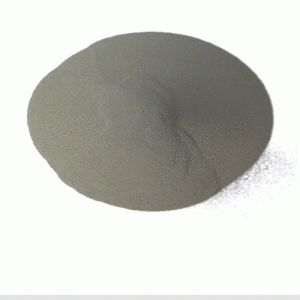


Overview of Platinized / platinum coated niobium wire anode
Niobium, often found in conjunction with tantalum minerals, is primarily extracted as a byproduct of tin and tantalum mining. Its chief ores include pyrochlore and columbite. Once refined, niobium becomes highly versatile, finding application in alloys, superconductors, and various high-tech materials.
Feature of Platinized / platinum coated niobium wire anode
-
Superior Strength and Lightness: When added to steel in small quantities (typically less than 1%), niobium significantly enhances the strength and toughness of the alloy while reducing its weight, making it ideal for aerospace and automotive applications.
-
Corrosion Resistance: Like tantalum, niobium forms a passive oxide layer that protects it from corrosion, making niobium-based alloys suitable for use in harsh environments.
-
Superconductivity: Niobium exhibits excellent superconducting properties when cooled below its critical temperature of about 9.2 K (-264°C or -443°F). This property makes it the primary material for superconducting magnets used in MRI scanners and particle accelerators.
-
Magnetic Properties: Niobium is paramagnetic at room temperature but becomes strongly diamagnetic when cooled, meaning it repels magnetic fields. This characteristic is exploited in certain specialized applications.
-
Ease of Fabrication: Despite its strength, niobium is easily formed, welded, and machined, facilitating its use in complex engineering designs.
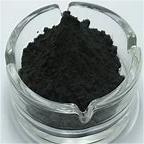
(Platinized / platinum coated niobium wire anode)
Parameters of Platinized / platinum coated niobium wire anode
The parameter of Platinum coated Niobium wire anode can vary depending on the specific application and manufacturing process used. However, generally speaking, the high melting point and low reactivity of platinum make it an ideal material for use in anode applications where high voltage is required.
Some common factors that affect the parameters of Platinum coated Niobium wire anodes include:
* Material composition: The type of platinum coating used will impact the properties of the anode, including its melting point, resistance to corrosion, and overall electrical conductivity.
* Manufacturing process: The quality of the plating, the temperature at which it is applied, and the method used to polish the wire all contribute to its performance characteristics.
* Anode geometry: The shape and orientation of the wire can also influence its performance, as certain geometries may provide better contact with the electrode surface.
It’s important to carefully review the manufacturer’s specifications for your specific application to determine the appropriate parameters for your particularNiobium wire anode.
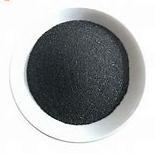
(Platinized / platinum coated niobium wire anode)
Nkọwapụta Ụlọ ọrụ
Metal Mummy bụ onye na-eweta kemịkalụ zuru ụwa ọnụ nke ntụkwasị obi & emeputa ihe karịrị 12-afọ ahụmahụ na-enye super-edu ọla kọpa na ndị ikwu ngwaahịa.
Ụlọ ọrụ ahụ nwere ngalaba nka ọkachamara na Ngalaba Nlekọta Ogo, ụlọ nyocha nke ọma, na kwadebere na elu ule akụrụngwa na mgbe-sales ahịa ọrụ center.
Ọ bụrụ na ị na-achọ ntụ ntụ metal dị elu na ngwaahịa ndị ikwu, biko nweere onwe gị ịkpọtụrụ anyị ma ọ bụ pịa ngwaahịa ndị dị mkpa iji zipu ajụjụ.
Ụzọ ịkwụ ụgwọ
L/C, T/T, Western Union, Paypal, Kaadị kredit wdg.
Mbupu
Enwere ike ibu ya n'oké osimiri, site n'ikuku, ma ọ bụ site na ikpughe ASAP ozugbo nnata nkwụghachi.
FAQ
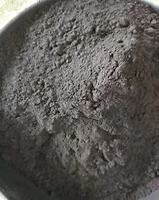
(Platinized / platinum coated niobium wire anode)