1. Introduction
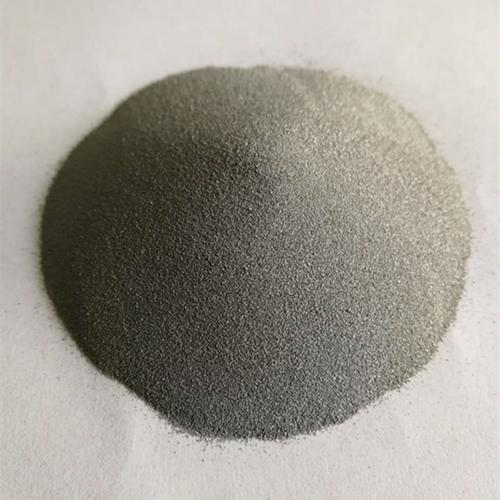
Just 24 hours ago, a viral TikTok claimed that ‘titanium flash powder’ could make your birthday cake explode into glittery stardust. Spoiler: it can’t—and you really shouldn’t try. While titanium powder is undeniably cool (and occasionally sparkly), it’s not a baking ingredient. In fact, real titanium powder is a high-performance industrial material driving innovations from aerospace to medical implants. Let’s cut through the internet noise and dive into what titanium powder actually is, why it matters, and whether you should be buying it (hint: probably not for your soap recipes).
2. What Exactly Is Titanium Powder?
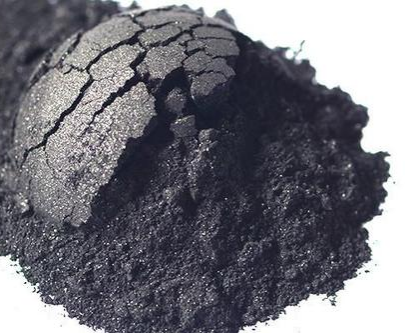
Titanium powder—often abbreviated as Ti powder—is a fine particulate form of the metal titanium. Unlike the titanium dioxide (TiO2) powder found in sunscreen or powdered sugar (yes, really), titanium metal powder consists of elemental titanium or titanium alloys. It’s not something you’d casually sprinkle on fries. This stuff is engineered for strength, lightness, and corrosion resistance.
- Pure titanium powder is used where biocompatibility matters (think hip replacements).
- Titanium alloy powder like Ti6Al4v (also called Ti64) dominates aerospace and 3D printing.
- And no, titanium dust isn’t just ‘metal glitter’—it’s a serious industrial material requiring careful handling.
3. How Is Titanium Powder Made?
You can’t just grind up a titanium bike frame and call it powder. Real titanium powder is made through precise, energy-intensive processes:
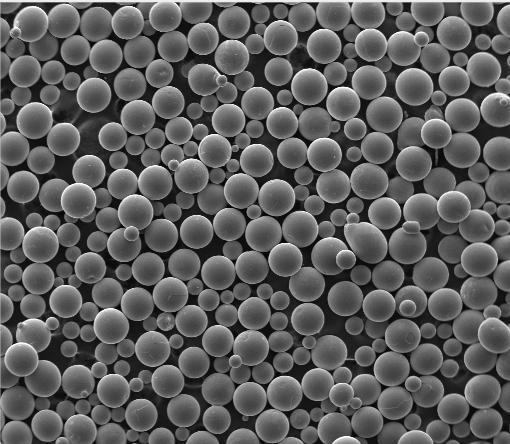
- Gas atomized titanium powder: Molten titanium is blasted with inert gas to form spherical particles—ideal for 3D printing.
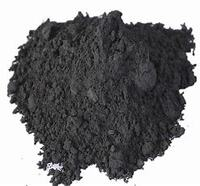
- HDH (Hydride-Dehydride) titanium powder: A cost-effective method producing irregular-shaped powder, often used in pressing and sintering.
- There’s also TiH2 powder (titanium hydride), which decomposes to release hydrogen and leave behind fine titanium particles.
Each method affects particle shape, purity, and price—critical factors if you’re sourcing for additive manufacturing.
4. Titanium Powder Uses: Beyond Sparklers
Forget flash powder (which is pyrotechnic and dangerous)—real titanium powder shines in high-tech fields:
- Titanium powder for 3D printing enables lightweight, complex parts for jets and prosthetics.
- Titanium carbide powder and titanium nitride powder are ultra-hard ceramics used in cutting tools.
- Titanium diboride powder (TiB2) and titanium boride powder serve in armor and wear-resistant coatings.
- Even niche variants like titanium coated diamond powder exist for specialized polishing.
Meanwhile, TiO2 nano powder? That’s a different beast—used in sunscreens and paints, not jet engines.
5. Pricing Realities: What Does Titanium Powder Cost?
Let’s talk numbers—because ‘how much does titanium powder cost?’ is the question on every engineer’s lips. Prices swing wildly based on form, purity, and volume:
- Titanium powder price per kg ranges from $50 to over $500.
- Ti6Al4v powder price hovers around $300–$600/kg due to alloy complexity.
- 3D printing titanium powder price is premium, especially for spherical, gas-atomized grades.
- Compare that to titanium metal powder price for HDH: often half as much.
And forget ‘buy titanium powder’ on Amazon unless you want lab samples. Serious buyers work with certified titanium powder suppliers like Carpenter, Allegheny, or international titanium powder specialists.
6. Molybdenum and Tungsten Powders: The Supporting Cast
While titanium steals the spotlight, molybdenum powder and tungsten powder play crucial backup roles in extreme environments:
- Molybdenum metal powder (aka moly powder) handles high temps in furnace parts.
- MoS2 powder (molybdenum disulfide powder) is a dry lubricant—‘dry moly powder’ keeps things sliding without oil.
- Tungsten powder? Denser than lead, used in radiation shielding and military penetrators.
- Global Tungsten & Powders Corporation and similar firms supply high density tungsten powder and fused tungsten carbide powder for mining and machining.
These aren’t substitutes for titanium—but they often appear in the same supply chains. Ever heard of TZM powder? That’s a molybdenum alloy with titanium and zirconium—proof that even metals love teamwork.
7. Where to Buy—and What to Avoid
If you’re looking to buy titanium powder, skip the sketchy eBay listings. Reputable titanium powder for sale comes from vetted suppliers with certifications for oxygen content, particle size distribution, and flowability—especially for titanium powder additive manufacturing.
Beware of confusion between:
- Titanium powder vs. burnt titanium powder coat (a surface finish, not a raw material).
- Titanium nanopowder (reactive, expensive) vs. standard grades.
- And absolutely do not confuse Ti powder with TiO2 powder—your sunscreen won’t build a rocket engine.
8. Conclusion
Titanium powder isn’t magic dust—it’s a precision-engineered material powering the future of flight, medicine, and manufacturing. Whether you need spherical titanium powder for aerospace 3D printing or are just curious why your donut is white (thanks, TiO2!), understanding the difference matters. So next time someone suggests mixing titanium flash powder into buttercream, gently remind them that real innovation happens in labs—not lunchboxes.
Our Website founded on October 17, 2012, is a high-tech enterprise committed to the research and development, production, processing, sales and technical services of ceramic relative materials such as Stop. Our products includes but not limited to Boron Carbide Ceramic Products, Boron Nitride Ceramic Products, Silicon Carbide Ceramic Products, Silicon Nitride Ceramic Products, Zirconium Dioxide Ceramic Products, etc. If you are interested, please feel free to contact us.