1. Introduction
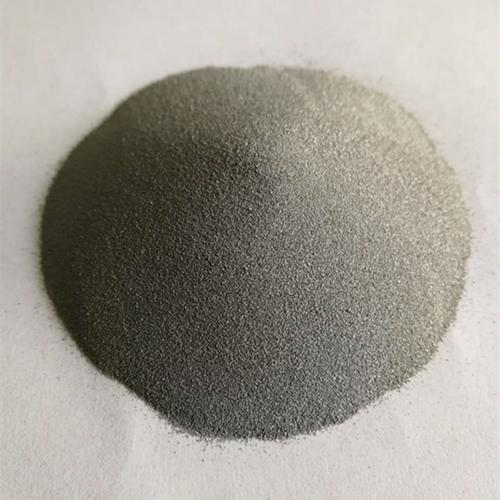
Titanium powder might sound niche, but it’s a powerhouse material driving innovation across aerospace, medical implants, and additive manufacturing. Unlike solid titanium, which is known for its strength-to-weight ratio and corrosion resistance, titanium powder unlocks new possibilities—especially when it comes to complex geometries and high-performance parts. Whether you’re looking to buy titanium powder for research, industrial use, or 3D printing, understanding its types, production methods, and market dynamics is essential.
2. What Is Titanium Powder?
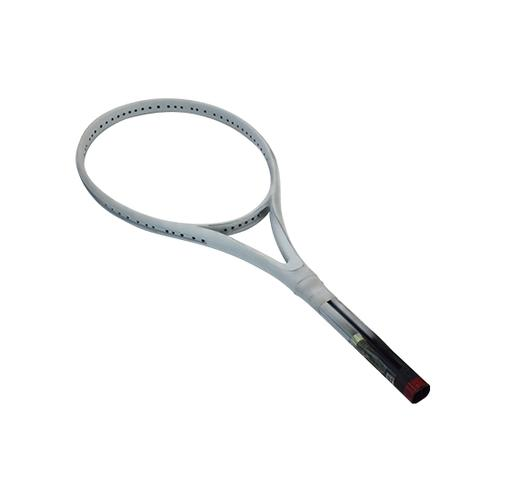
Titanium powder—often abbreviated as Ti powder—is a fine particulate form of titanium metal. It can range from irregular HDH (Hydride-Dehydride) particles to highly spherical gas atomized granules, depending on how it’s made. Pure titanium powder is just one variant; many applications rely on titanium alloy powder, such as the widely used Ti6Al4V (also called Ti64), which blends titanium with aluminum and vanadium for enhanced mechanical properties.
It’s important not to confuse titanium metal powder with TiO2 powder (titanium dioxide), a white pigment used in paints, sunscreens, and food. While both contain titanium, their chemistry and uses are worlds apart. Similarly, specialty compounds like titanium nitride powder, titanium carbide powder, and titanium diboride powder (TiB2) serve roles in coatings, cutting tools, and ceramics—not structural 3D printing.
3. How Is Titanium Powder Made?
There are two dominant methods for producing titanium powder: the HDH process and gas atomization.
HDH titanium powder starts with titanium sponge, which is crushed, hydrided (exposed to hydrogen), milled into fine particles, and then dehydrided. The result is angular, cost-effective powder ideal for pressing and sintering—but less suited for high-flow applications like 3D printing.
Gas atomized titanium powder, by contrast, involves melting titanium under vacuum or inert gas and spraying it with high-pressure argon or nitrogen to form spherical droplets that solidify mid-air. This yields smooth, round particles with excellent flowability—perfect for titanium powder additive manufacturing.
Other forms include titanium nanopowder, TiH2 powder (titanium hydride, used as a foaming agent), and even titanium flash powder (a pyrotechnic mix—not pure titanium). Note: titanium dust can be reactive, especially in fine or nano forms, so proper handling is critical.
4. Key Uses of Titanium Powder
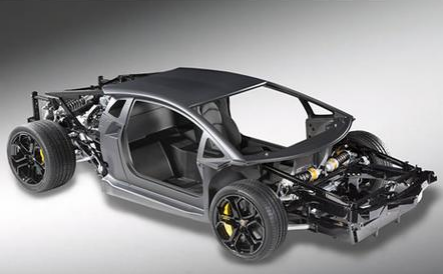
Titanium powder uses span multiple high-tech sectors:
- Aerospace: Jet engines, airframes, and landing gear benefit from lightweight, strong components made via 3D printing.
- Medical: Implants like hip joints and dental fixtures often use biocompatible Ti6Al4V powder.
- Automotive: Performance parts and prototypes leverage titanium’s heat resistance.
- Energy: Components in turbines and reactors use titanium for corrosion resistance.
- Research & Coatings: Titanium nitride powder and titanium carbide powder enhance surface hardness; titanium-coated diamond powder improves grinding tools.
One of the fastest-growing applications is titanium powder for 3D printing. Spherical titanium 3D printing powder enables complex, near-net-shape parts with minimal waste—making it invaluable despite its higher cost.
5. Pricing and Market Considerations
When evaluating titanium powder price, several factors come into play: purity, particle size distribution, morphology (spherical vs. irregular), and alloy type. For example, Ti6Al4V powder price typically exceeds that of pure titanium powder due to added elements and stricter quality control.
The titanium powder price per kg can range from $100 to over $500, depending on grade and supplier. Titanium powder for 3D printing price sits at the higher end because of the need for consistent, spherical particles. Meanwhile, HDH powder may cost significantly less but isn’t suitable for all applications.
If you’re looking to buy titanium powder, consider reputable titanium powder suppliers who offer certifications (like ASTM or ISO) and batch traceability. International titanium powder markets are active, with major producers in the U.S., China, and Europe. Always verify if the material is classified as hazardous for shipping—especially fine titanium dust.
6. Related Metal Powders: Molybdenum and Tungsten
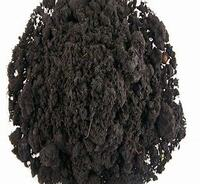
While titanium dominates lightweight applications, other refractory metal powders serve complementary roles.
Molybdenum powder (moly powder) is valued for its high melting point and thermal conductivity. Variants like molybdenum disulfide powder (MoS2 powder) act as dry lubricants, while molybdenum carbide powder and TZM powder support tooling and furnace parts. Molybdenum powder price varies by form, with MoS2 powder for sale commonly used in automotive and aerospace greases.
Tungsten powder—sometimes called wolfram powder—is among the densest metal powders available. Used in radiation shielding, filaments, and wear-resistant parts, it includes forms like spherical tungsten powder, tungsten carbide powder, and tungsten disulfide powder (WS2 powder). Tungsten powder price per kg reflects its density and processing complexity; fused tungsten carbide powder is especially prized for cutting tools.
Companies like Global Tungsten & Powders Corporation and Tungco handle large-scale procurement, offering everything from pure tungsten powder to tungsten carbide thermal spray powder.
7. Where to Buy and Final Tips
Whether you need titanium powder for sale in small lab quantities or bulk industrial orders, always confirm specifications: particle size (e.g., 15–45 µm for 3D printing), oxygen content, and morphology. Reputable suppliers provide data sheets and safety info—critical given titanium’s potential reactivity.
Don’t confuse burnt titanium powder coat (a surface finish) with actual powder feedstock. And remember: TiO2 nano powder is not interchangeable with titanium metal powder in engineering contexts.
8. Conclusion
Titanium powder is far more than just ground-up metal—it’s a gateway to next-generation manufacturing. From life-saving implants to supersonic jets, its role continues to expand, especially as 3D printing adoption grows. While titanium powder cost remains high compared to steel or aluminum powders, its performance justifies the investment in critical applications. Whether you’re sourcing pure titanium powder, Ti64 powder, or exploring alternatives like molybdenum or tungsten powders, understanding your needs and supplier reliability is key to success.
Our Website founded on October 17, 2012, is a high-tech enterprise committed to the research and development, production, processing, sales and technical services of ceramic relative materials such as Titanium. Our products includes but not limited to Boron Carbide Ceramic Products, Boron Nitride Ceramic Products, Silicon Carbide Ceramic Products, Silicon Nitride Ceramic Products, Zirconium Dioxide Ceramic Products, etc. If you are interested, please feel free to contact us.