1. Introduction
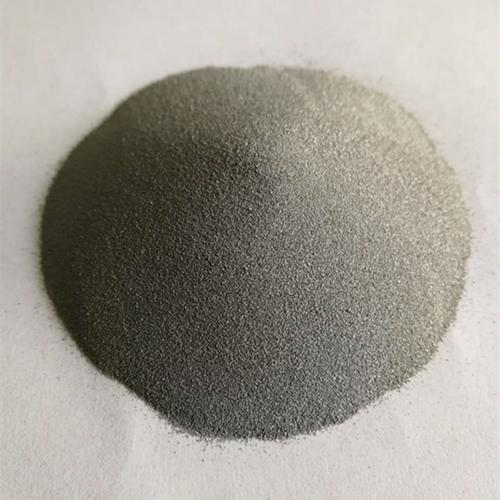
Titanium powder—often referred to as ti powder—is far more than just a fine metallic dust. It’s a critical enabler of modern manufacturing, especially in cutting-edge fields like additive manufacturing (3D printing), aerospace, biomedical implants, and defense. With growing demand for lightweight, high-strength materials, titanium powder has surged in popularity. But what exactly is it? How is it made? And where can you buy titanium powder that meets your project’s exacting standards?
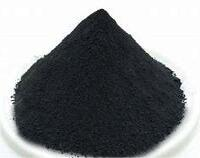
In this guide, we’ll break down everything you need to know about titanium powder—from its various forms like spherical titanium powder and HDH titanium powder to its price per kg, common uses, and trusted suppliers. We’ll also touch on related advanced metal powders like molybdenum and tungsten that often appear alongside titanium in industrial contexts.
2. What Is Titanium Powder?
Titanium powder is a finely divided form of titanium metal or its alloys. Unlike bulk titanium, which is known for its strength-to-density ratio and corrosion resistance, titanium powder offers unique advantages in powder metallurgy and additive manufacturing. It comes in several grades and morphologies, including irregular, spherical, and nano-sized particles.
Common variants include pure titanium powder (Grade 1 or 2), titanium alloy powder like ti6al4v powder (also called ti64 powder), and specialty compounds such as titanium nitride powder, titanium carbide powder, and titanium diboride powder (sometimes labeled tib2 powder or titanium boride powder). Note that tio2 powder (titanium dioxide) is chemically distinct—it’s an oxide used in pigments and sunscreens, not a metal powder for structural applications.
2.1. Production Methods
Titanium powder is primarily produced through two industrial methods: gas atomization and the hydride-dehydride (HDH) process.
Gas atomized titanium powder yields spherical particles ideal for 3D printing due to excellent flowability and packing density. In contrast, HDH titanium powder is more angular and cost-effective, often used in traditional powder metallurgy.
Other niche forms include tih2 powder (titanium hydride), which decomposes to release hydrogen and is sometimes used in pyrotechnics or as a precursor, and titanium flash powder—a highly reactive mixture used in special effects (not to be confused with standard metal powders).
3. Key Applications of Titanium Powder
Titanium powder uses span multiple high-tech sectors. Its most transformative role today is in titanium powder additive manufacturing, where it enables complex, lightweight components for jet engines, medical implants, and automotive parts.
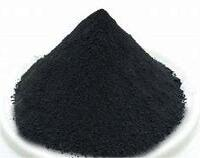
- Aerospace: Ti6Al4V powder is the go-to alloy for turbine blades and structural parts.
- Medical: Biocompatible pure titanium powder is used in custom orthopedic and dental implants.
- Defense & Energy: Titanium metal powder reinforces armor and is explored in hydrogen storage systems.
- Industrial: Titanium carbide and titanium nitride powders serve as hard coatings or cutting tool additives.
Note: While burnt titanium powder coat refers to surface treatments, it’s unrelated to raw titanium powder used in manufacturing.
4. Titanium Powder for 3D Printing
Additive manufacturing has revolutionized how engineers use titanium. Spherical titanium powder—especially gas atomized ti6al4v powder—is essential for laser powder bed fusion (LPBF) and electron beam melting (EBM) processes.
When sourcing titanium 3d printing powder, users prioritize particle size distribution (typically 15–45 µm), oxygen content (<0.13%), and sphericity. These factors directly impact print quality and mechanical properties.
As demand grows, so does interest in titanium powder for 3d printing price transparency. Prices vary widely based on purity, alloy type, and certification—but expect to pay anywhere from $300 to $800+ per kg for aerospace-grade material.
5. Pricing and Market Considerations
The titanium powder price per kg depends on several variables: alloy composition, particle morphology, production method, and order volume. Pure titanium powder tends to be cheaper than ti6al4v powder, while nano or coated variants like titanium coated diamond powder command premium rates.
For example, ti6al4v powder price typically exceeds that of pure grades due to added vanadium and aluminum. Meanwhile, tio2 nano powder—used in cosmetics or catalysts—is priced separately and isn’t interchangeable with metal powders.
Buyers should also consider total cost beyond the sticker price: shipping, import regulations (yes, you can export titanium powder, but controls apply), and supplier reliability. Reputable titanium powder suppliers often provide certificates of analysis and traceability.
6. Related Advanced Metal Powders
While titanium dominates lightweight applications, other refractory metal powders play complementary roles:
- Molybdenum powder (moly powder): Used in high-temp furnaces and electronics. Variants include molybdenum disulfide powder (mos2 powder), molybdenum carbide powder, and tzm powder.
- Tungsten powder (wolfram powder): Extremely dense and heat-resistant. Common forms include pure tungsten powder, tungsten carbide powder, and tungsten disulfide powder (ws2 powder). Global Tungsten & Powders Corporation is a major player in this space.
These materials—like molybdenum metal powder and tungsten metal powder—are often sourced alongside titanium in advanced manufacturing ecosystems, though their prices, densities, and uses differ significantly.
7. Where to Buy Titanium Powder
Whether you’re prototyping or scaling production, choosing the right titanium powder supplier matters. Look for vendors offering certified, consistent batches with clear documentation on chemistry and particle characteristics.
Many international titanium powder suppliers cater to global markets, providing options for titanium powder for sale in lab-scale quantities or industrial tons. Always verify if they supply the specific grade you need—such as spherical ti64 powder for aerospace AM or HDH powder for compaction.
Before you buy titanium powder, request samples and compare specs. Don’t just chase the lowest titanium powder cost—performance and repeatability are worth the investment.
8. Conclusion
Titanium powder is a cornerstone of next-generation manufacturing. From enabling life-saving implants to powering supersonic aircraft, its versatility is unmatched among metal powders. Understanding the differences between pure titanium powder, ti6al4v powder, and specialty compounds—and knowing how pricing, quality, and application needs intersect—will help you make informed decisions.
As additive manufacturing continues to evolve, so too will the demand for high-performance titanium metal powder. Whether you’re an engineer, researcher, or procurement specialist, staying informed on titanium powder uses, suppliers, and market trends is essential for success in advanced materials.
Our Website founded on October 17, 2012, is a high-tech enterprise committed to the research and development, production, processing, sales and technical services of ceramic relative materials such as Titanium. Our products includes but not limited to Boron Carbide Ceramic Products, Boron Nitride Ceramic Products, Silicon Carbide Ceramic Products, Silicon Nitride Ceramic Products, Zirconium Dioxide Ceramic Products, etc. If you are interested, please feel free to contact us.