1. Introduction
In the past 48 hours, global additive manufacturing markets have seen renewed interest in high-performance metal powders following a major aerospace contract awarded to a European firm using titanium alloy components produced via laser powder bed fusion. This development underscores the growing strategic importance of titanium powder in next-generation manufacturing—especially as supply chains seek alternatives amid geopolitical shifts in critical mineral sourcing. Against this backdrop, understanding the nuances of titanium powder types, production methods, and pricing becomes essential for engineers, procurement specialists, and innovators alike.
2. What Is Titanium Powder and Why Does It Matter?
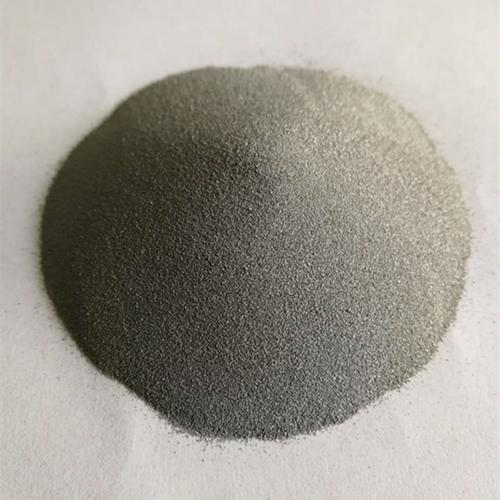
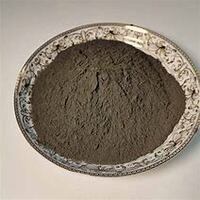
Titanium powder—often referred to as ti powder—is a fine particulate form of titanium metal or its alloys, engineered for specialized industrial applications. Unlike bulk titanium, which is dense and corrosion-resistant but difficult to machine, titanium powder enables complex geometries through processes like additive manufacturing. The term ‘titanium dust’ is sometimes used colloquially, but it typically refers to uncontrolled byproducts rather than engineered powders designed for precision use. High-purity variants, such as pure titanium powder or spherical titanium powder, are critical in medical implants and aerospace parts where consistency and biocompatibility are non-negotiable.
3. Key Types of Titanium Powder and Their Uses
Not all titanium powders are created equal. The choice depends heavily on the end application. For instance, titanium powder for 3D printing almost always requires spherical morphology to ensure smooth flowability in printers—a trait achieved primarily through gas atomized titanium powder production. In contrast, HDH titanium powder (produced via hydride-dehydride processing) is angular and cheaper but less suitable for high-end additive manufacturing.

- Ti6Al4V powder (also called ti64 powder) dominates the market for titanium alloy powder, offering an optimal balance of strength, weight, and corrosion resistance. It’s the go-to for jet engines, prosthetics, and racing components.
- Specialty compounds like titanium nitride powder and titanium carbide powder serve niche roles in coatings and cutting tools due to their extreme hardness.
- Emerging materials such as tib2 powder (titanium diboride powder) and titanium boride powder are gaining traction in wear-resistant composites.
- For pyrotechnics or reactive applications, titanium flash powder and tih2 powder (titanium hydride) are used, though they require careful handling due to flammability risks.
Meanwhile, tio2 powder—especially tio2 nano powder—is chemically distinct from metallic titanium powder; it’s an oxide widely used in sunscreens, paints, and food additives, not structural applications.
4. Production Methods Compared: Gas Atomization vs. HDH
The two dominant methods for producing titanium metal powder are gas atomization and the hydride-dehydride (HDH) process. Gas atomized titanium powder yields near-perfect spheres with low oxygen content, making it ideal for titanium powder additive manufacturing. However, it’s energy-intensive and costly, directly influencing titanium powder price per kg, which can range from $300 to over $800 depending on grade and purity. HDH powder, while more affordable (often under $200/kg), has irregular particle shapes and higher impurity levels, limiting its use to pressing-and-sintering applications rather than high-resolution 3D printing.

Spherical titanium powder commands a premium because it ensures consistent layer deposition in printers—critical for avoiding defects in load-bearing parts. As demand for titanium 3d printing powder grows, especially in defense and medical sectors, suppliers are investing heavily in plasma and electrode induction-melting gas atomization (EIGA) to scale production without compromising quality.
5. Pricing Landscape and Sourcing Considerations
When you look up ‘titanium powder price’ or ‘ti powder price,’ expect significant variation. The titanium powder cost hinges on alloy type, particle size distribution, morphology, and certification standards. For example, ti6al4v powder price typically exceeds that of pure titanium powder due to added vanadium and aluminum processing. Current market rates place 3d printing titanium powder price between $400–$700/kg for aerospace-grade material, while industrial-grade HDH may dip below $150/kg.
Buyers seeking to buy titanium powder should vet international titanium powder suppliers carefully—certifications like ASTM F3049 for additive manufacturing powders matter. Reputable titanium powder suppliers often provide traceability reports and oxygen content data, crucial for avoiding embrittlement in final parts. Also, note that ‘titanium powder for sale’ listings on generic marketplaces may lack quality control; direct engagement with specialized vendors is recommended.
6. How Titanium Powder Stacks Up Against Molybdenum and Tungsten Powders
While titanium powder excels in strength-to-density ratio, other refractory metal powders serve different niches. Molybdenum powder (moly powder)—including molybdenum metal powder, molybdenum disulfide powder (mos2 powder), and tzm powder—is prized for high-temperature stability and is common in furnace components and lubricants. Similarly, tungsten powder (wolfram powder), especially spherical tungsten powder and tungsten carbide powder, offers unmatched density and wear resistance, used in radiation shielding and cutting tools.
Unlike titanium, both molybdenum and tungsten powders have much higher densities—tungsten powder density is about 19.3 g/cm³ versus titanium’s 4.5 g/cm³—making them unsuitable for weight-sensitive applications. However, their thermal and electrical properties complement titanium in hybrid systems. Pricing also differs: molybdenum powder price hovers around $50–$100/kg, while tungsten powder price per kg ranges from $30 to $150, depending on form (e.g., pure tungsten powder vs. fused tungsten carbide powder).
7. Conclusion
Titanium powder remains a cornerstone of advanced manufacturing, especially as titanium powder additive manufacturing reshapes industries from healthcare to space exploration. Understanding the distinctions between gas atomized and HDH powders, recognizing the premium placed on spherical morphology for 3D printing, and navigating the complex pricing landscape are all vital for informed decision-making. Whether you’re evaluating ti6al4v powder for aerospace components or comparing titanium metal powder price against alternatives like molybdenum or tungsten, specificity and supplier credibility will determine success. As innovation accelerates, so too will the demand for high-integrity titanium powder—for sale, yes, but only from sources that prioritize performance over convenience.
Our Website founded on October 17, 2012, is a high-tech enterprise committed to the research and development, production, processing, sales and technical services of ceramic relative materials such as Titanium. Our products includes but not limited to Boron Carbide Ceramic Products, Boron Nitride Ceramic Products, Silicon Carbide Ceramic Products, Silicon Nitride Ceramic Products, Zirconium Dioxide Ceramic Products, etc. If you are interested, please feel free to contact us.