1. Introduction
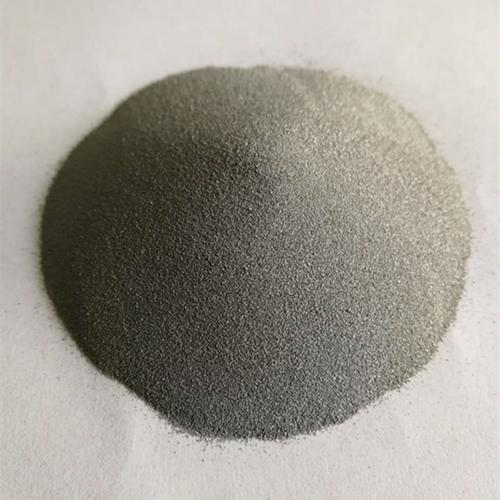
In the past 48 hours, aerospace manufacturers have intensified procurement of spherical titanium powder amid rising demand for lightweight, high-strength components in next-gen aircraft and satellites. This surge highlights titanium powder’s critical role in modern additive manufacturing—and why understanding its types, costs, and alternatives matters more than ever.
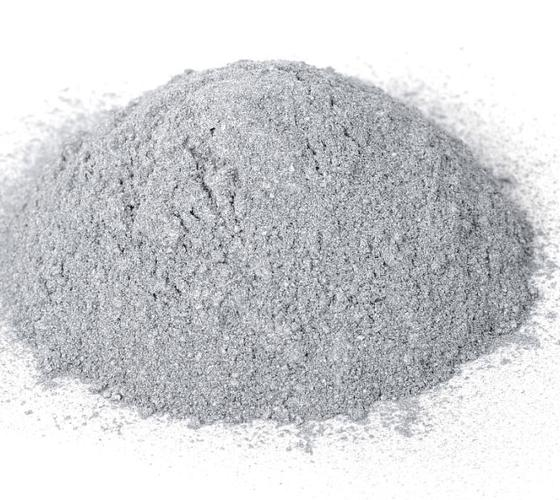
Whether you’re looking to buy titanium powder for prototyping, evaluate titanium powder for 3d printing price competitiveness, or compare it with molybdenum or tungsten powders, this deep dive breaks down what you need to know—without the fluff.
2. Core Types of Titanium Powder
2.1 Pure Titanium Powder vs. Titanium Alloy Powder
Pure titanium powder (often Grade 1 or 2) offers excellent corrosion resistance and biocompatibility, making it ideal for medical implants and chemical processing equipment. In contrast, titanium alloy powder—especially ti6al4v powder (also known as ti64 powder)—delivers superior strength-to-density ratios, dominating aerospace and motorsport applications.
Ti6Al4V contains 6% aluminum and 4% vanadium, enhancing mechanical performance at elevated temperatures. Its popularity has driven consistent demand, influencing both ti6al4v powder price and global supply chains.
2.2 Specialty Titanium-Based Powders
Beyond metallic forms, several engineered titanium powders serve niche roles:
- Titanium nitride powder and titanium carbide powder are ultra-hard ceramics used in cutting tools and wear-resistant coatings.
- Titanium diboride powder (tib2 powder) and titanium boride powder exhibit high thermal conductivity and are explored for armor and refractory applications.
- Tio2 nano powder (titanium dioxide nanopowder) is widely used in sunscreens, paints, and photocatalysis—not to be confused with conductive or structural titanium metal powder.
- Titanium flash powder and burnt titanium powder coat relate to pyrotechnics or surface treatments, not industrial feedstock.
Note: Titanium dust can be pyrophoric in fine forms, requiring careful handling—unlike stable tio2 powder used in food or cosmetics.
3. Production Methods: How Titanium Powder Is Made
3.1 Gas Atomized Titanium Powder
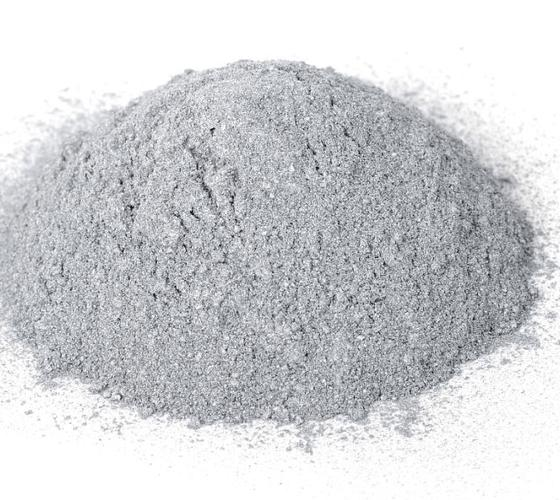
Gas atomization produces highly spherical particles by melting titanium under inert atmosphere and disintegrating the stream with argon or nitrogen gas. The result? Spherical titanium powder with excellent flowability—critical for consistent layer deposition in titanium powder additive manufacturing.
This method yields premium-grade powder ideal for aerospace 3d printing titanium powder applications but comes at a higher titanium powder cost due to energy intensity and yield loss.
3.2 HDH Titanium Powder
Hydride-Dehydride (HDH) processing involves absorbing hydrogen into titanium sponge, milling it into powder, then removing hydrogen under vacuum. HDH titanium powder is angular, less expensive, and commonly used in press-and-sinter parts or lower-cost AM processes.
While cheaper, HDH powder may require post-processing for use in high-precision 3d printing titanium powder systems, affecting overall efficiency.
3.3 Other Forms: TiH2 and Nanopowders
Tih2 powder (titanium hydride) serves as a foaming agent in metal matrix composites. Meanwhile, titanium nanopowder enables advanced catalytic and electronic applications but commands a steep titanium powder price per kg due to complex synthesis.
4. Pricing and Market Realities
Titanium powder price varies dramatically by type, purity, morphology, and volume. As of mid-2024:
- Pure titanium powder: $80–$150/kg
- Ti6Al4V powder (spherical, gas-atomized): $150–$300/kg
- Titanium diboride price: $200–$500/kg depending on particle size
Factors influencing titanium metal powder price include raw material (titanium sponge) costs, energy expenses, and geopolitical constraints on export. International titanium powder suppliers often face logistics bottlenecks, pushing buyers to seek local alternatives.
For those looking to buy titanium powder, comparing quotes from certified titanium powder suppliers is essential—especially when sourcing titanium powder for sale with AM-specific certifications (e.g., ASTM F3049).
5. Titanium vs. Molybdenum and Tungsten Powders
While titanium dominates lightweight structural applications, molybdenum powder and tungsten powder serve high-temperature niches:
- Molybdenum metal powder (moly powder) excels above 1,000°C; used in furnace parts and electronics. Molybdenum disulfide powder (mos2 powder) acts as a dry lubricant—very different from titanium’s structural role.
- Tungsten powder, with its extreme density (~19.3 g/cm³) and melting point, is preferred in radiation shielding and heavy alloys. Spherical tungsten powder and tungsten carbide powder are staples in cutting tools and wear parts.
Unlike titanium, neither moly nor tungsten are commonly used in mainstream 3D printing due to processing challenges—though research continues. Global tungsten & powders corporation and other tungsten powder suppliers focus on traditional metallurgy rather than additive markets.
Crucially, titanium powder for 3d printing price remains significantly lower than high-purity tungsten metal powder price per kg, reinforcing titanium’s dominance in commercial AM.
6. Key Applications Driving Demand
Titanium powder uses span multiple high-value sectors:
- Aerospace: Jet engines, landing gear, and satellite brackets via titanium powder additive manufacturing.
- Medical: Patient-specific implants using biocompatible pure titanium powder or ti64 powder.
- Automotive: Performance parts where weight savings justify the titanium powder cost.
- Energy: Components in corrosive environments, such as offshore oil rigs or hydrogen infrastructure.
The rise of near-net-shape manufacturing has made titanium 3d printing powder indispensable—reducing waste compared to machining from billet.
7. Conclusion
From gas-atomized ti6al4v powder enabling lighter aircraft to hdh titanium powder supporting cost-sensitive sintering, the titanium powder landscape is diverse and dynamic. While titanium powder price per kg remains a barrier for mass adoption, ongoing advances in recycling and alternative production methods may ease costs. For now, understanding the differences between titanium metal powder, tio2 powder, and related compounds—and how they compare to molybdenum or tungsten powders—is key to smart material selection in engineering and manufacturing.
Our Website founded on October 17, 2012, is a high-tech enterprise committed to the research and development, production, processing, sales and technical services of ceramic relative materials such as Titanium. Our products includes but not limited to Boron Carbide Ceramic Products, Boron Nitride Ceramic Products, Silicon Carbide Ceramic Products, Silicon Nitride Ceramic Products, Zirconium Dioxide Ceramic Products, etc. If you are interested, please feel free to contact us.