1. Introduction
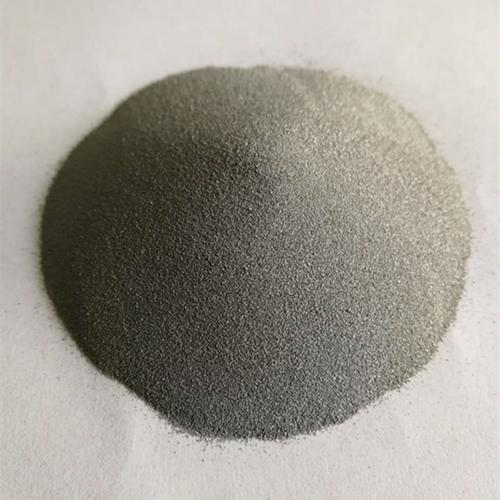
Titanium powder isn’t just another industrial material—it’s the backbone of cutting-edge technologies from aerospace to medical implants. With growing demand for lightweight, high-strength components, especially in 3D printing, understanding the nuances of titanium powder has never been more critical. But not all titanium powders are created equal. From spherical gas-atomized grades for additive manufacturing to irregular HDH powders for traditional pressing, each type serves distinct purposes. In this deep dive, we’ll unpack the different varieties of titanium powder, compare production methods, analyze pricing factors, and even touch on how it relates to other strategic metal powders like molybdenum and tungsten.
2. Types of Titanium Powder and Their Unique Properties
2.1 Pure Titanium Powder vs. Titanium Alloy Powder
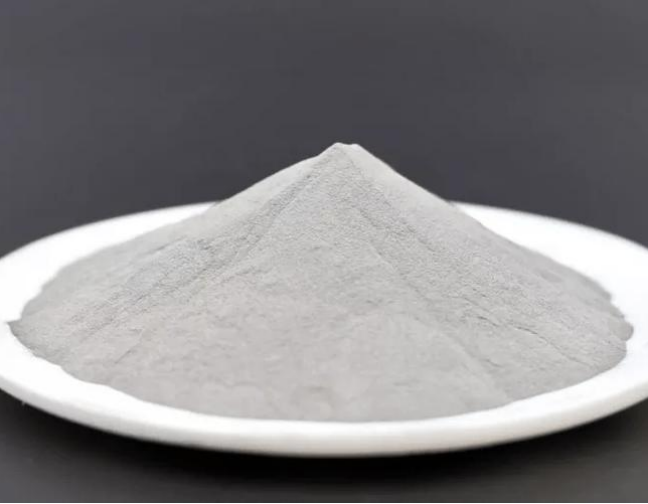
Pure titanium powder offers excellent corrosion resistance and biocompatibility, making it ideal for medical and chemical applications. However, for structural uses requiring higher strength, titanium alloy powder—especially Ti6Al4v powder (also known as Ti64 powder)—dominates the market. This alpha-beta alloy combines titanium with 6% aluminum and 4% vanadium, delivering superior mechanical properties at elevated temperatures.
2.2 Specialty Titanium-Based Powders
Beyond elemental and alloyed forms, several advanced titanium compounds serve niche roles:
- Titanium nitride powder: Known for extreme hardness and gold-like appearance, used in coatings and cutting tools.
- Titanium carbide powder and titanium diboride powder (TiB2 powder): Ultra-refractory ceramics valued in wear-resistant composites.
- Titanium boride powder: Offers high thermal conductivity and is used in armor and electronics.
- TiH2 powder (titanium hydride): A precursor in powder metallurgy that decomposes to release hydrogen during sintering.
- TiO2 nano powder: Though not metallic, this photocatalytic oxide is widely used in sunscreens, paints, and self-cleaning surfaces—but it’s chemically distinct from titanium metal powder.
3. Production Methods: Gas Atomization vs. HDH
3.1 Gas Atomized Titanium Powder
Gas atomization produces highly spherical titanium powder by melting titanium under inert atmosphere and disintegrating the stream with high-pressure argon or nitrogen. The resulting spherical particles flow exceptionally well—critical for consistent layer deposition in titanium powder additive manufacturing. This method is preferred for high-end applications like aerospace and biomedical 3D printing but comes at a premium cost.
3.2 HDH (Hydride-Dehydride) Titanium Powder
The HDH process involves absorbing hydrogen into titanium sponge, milling the brittle hydride, then heating to remove hydrogen. The output is angular, irregular particles with lower apparent density but significantly lower production costs. While less suitable for laser-based 3D printing, HDH powder excels in press-and-sinter operations and metal injection molding.
4. Titanium Powder Pricing: What Drives the Cost?
The titanium powder price per kg varies dramatically based on purity, morphology, and alloy composition. Spherical titanium powder for 3D printing typically ranges from $300 to $800/kg, while HDH-grade pure titanium powder may cost $100–$250/kg. Ti6Al4V powder price sits at the higher end due to alloying complexity and stringent quality controls.
Factors influencing titanium powder cost include:
- Particle size distribution (finer powders = higher cost)
- Oxygen content (lower O2 = higher purity = higher price)
- Production scale and supplier location (international titanium powder markets fluctuate with raw material access)
- Certification requirements (e.g., ASTM F1554 for medical-grade Ti64)
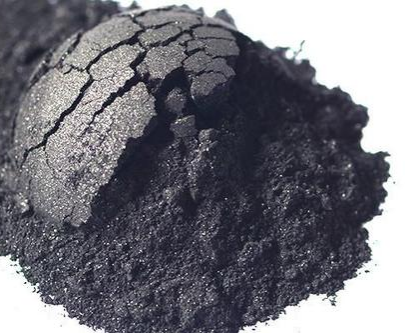
For those looking to buy titanium powder, it’s essential to balance performance needs with budget—especially since titanium powder for sale from uncertified sources may carry contamination risks.
5. Titanium Powder in Additive Manufacturing
Additive manufacturing has revolutionized titanium powder uses. Spherical titanium 3D printing powder enables complex geometries unachievable via machining, reducing waste in expensive titanium components. Key applications include jet engine parts, orthopedic implants, and custom prosthetics. However, successful printing demands strict control over powder characteristics—hence the premium on gas atomized titanium powder for 3D printing.
The titanium powder for 3D printing price reflects not just material cost but also the R&D behind consistent flowability, low porosity, and recyclability. Leading suppliers now offer certified batches with full traceability, crucial for regulated industries.
6. How Titanium Powder Compares to Molybdenum and Tungsten Powders
While titanium dominates lightweight applications, molybdenum powder and tungsten powder serve high-temperature and high-density niches. Molybdenum metal powder (including MoS2 powder and TZM powder) excels in furnace components and lubrication, whereas tungsten powder—especially spherical tungsten powder and tungsten carbide powder—is unmatched in radiation shielding and cutting tools due to its extreme density (~19.3 g/cm³).
Unlike reactive titanium dust, which can be pyrophoric in fine form, tungsten and molybdenum powders are generally more stable but pose inhalation hazards. Pricing also differs: tungsten powder price per kg is often lower than titanium powder price, but tungsten carbide powder price per kg can rival or exceed that of Ti64 due to cobalt binder costs.
Global players like Global Tungsten & Powders Corporation supply these alternatives, but for titanium-specific needs, sourcing from a reputable titanium powder supplier remains non-negotiable for performance-critical uses.
7. Conclusion
Titanium powder is far more than a commodity—it’s a gateway to innovation across industries. Whether you’re evaluating pure titanium powder for biocompatible devices or Ti6Al4V powder for aerospace 3D printing, understanding production methods, material grades, and market dynamics is essential. With prices influenced by everything from particle shape to global supply chains, informed procurement from trusted titanium powder suppliers ensures both performance and value. As additive manufacturing grows, so too will the demand for high-quality, consistently engineered titanium powder.
Our Website founded on October 17, 2012, is a high-tech enterprise committed to the research and development, production, processing, sales and technical services of ceramic relative materials such as Titanium. Our products includes but not limited to Boron Carbide Ceramic Products, Boron Nitride Ceramic Products, Silicon Carbide Ceramic Products, Silicon Nitride Ceramic Products, Zirconium Dioxide Ceramic Products, etc. If you are interested, please feel free to contact us.