1. Introduction
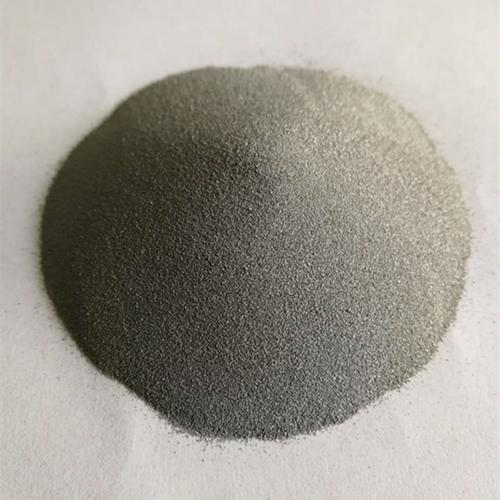
In the past 48 hours, global aerospace and medical device manufacturers have intensified procurement of high-purity spherical titanium powder amid supply chain concerns following new export controls on critical raw materials from key producing nations. This renewed focus underscores titanium powder’s strategic importance—especially for 3D printing of lightweight, high-strength components.
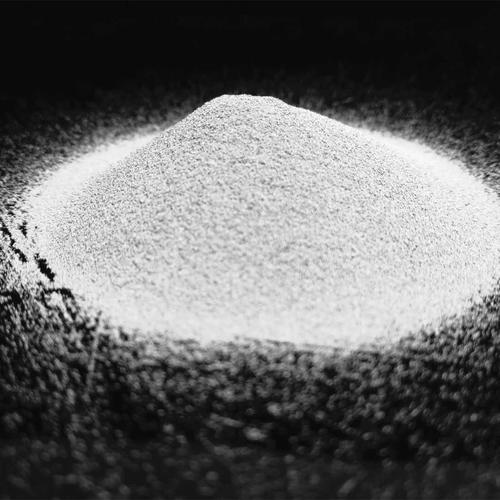
Titanium powder isn’t just one material—it’s a family of powders with distinct chemistries, morphologies, and applications. From pure titanium metal powder used in biocompatible implants to reactive titanium flash powder in pyrotechnics, understanding the nuances is essential for engineers, buyers, and researchers alike. In this deep dive, we’ll unpack the different types, compare production methods, analyze pricing trends, and clarify where titanium stands relative to other advanced metal powders like molybdenum and tungsten.
2. Types of Titanium Powder and Their Unique Properties
2.1 Pure Titanium Powder vs. Titanium Alloy Powder
Pure titanium powder (often Grade 1 or 2) offers excellent corrosion resistance and biocompatibility, making it ideal for medical implants and chemical processing equipment. In contrast, titanium alloy powder—most notably Ti6Al4V (also called Ti64)—contains 6% aluminum and 4% vanadium, delivering superior strength-to-density ratios. Ti6Al4V powder is the dominant choice for aerospace and high-performance automotive 3D printing.
2.2 Specialty Titanium-Based Powders
Beyond metallic forms, several compound powders play niche but vital roles:
- Titanium nitride powder (TiN): Hard, gold-colored coating for cutting tools.
- Titanium carbide powder (TiC): Used in wear-resistant cermets.
- Titanium diboride powder (TiB2): Extremely hard, conductive ceramic for armor and electrodes.
- TiO2 nano powder: Photocatalytic and UV-blocking applications, not to be confused with metallic titanium powder.
- Titanium hydride (TiH2) powder: A safer, less reactive precursor often used in powder metallurgy.
Note: Titanium dioxide (TiO2) powder is chemically distinct from titanium metal powder—it’s an oxide, not a reduced metal—and serves entirely different markets like cosmetics and paints.
3. Production Methods: Gas Atomized vs. HDH Titanium Powder
3.1 Gas Atomized Titanium Powder
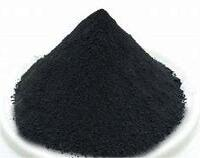
Gas atomization produces highly spherical particles by melting titanium under inert atmosphere and disintegrating the stream with high-pressure argon or nitrogen. The result? Spherical titanium powder with excellent flowability—critical for consistent layer deposition in titanium powder additive manufacturing. This method dominates the market for titanium 3D printing powder but comes at a premium cost.
3.2 HDH (Hydride-Dehydride) Titanium Powder
The HDH process involves absorbing hydrogen into titanium sponge, milling the brittle hydride, then heating to remove hydrogen. It yields irregular, angular particles that are cheaper but less suitable for high-precision 3D printing. HDH powder is common in traditional powder metallurgy and lower-cost applications.
4. Titanium Powder Pricing: What Drives the Cost?
Titanium powder price per kg varies dramatically based on purity, particle size, morphology, and alloy composition. As of mid-2024:
- Pure spherical titanium powder for 3D printing: $300–$600/kg
- Ti6Al4V powder price: $400–$800/kg
- HDH titanium dust (irregular): $100–$250/kg
Factors influencing titanium powder cost include energy-intensive production, argon consumption in atomization, and stringent quality control for aerospace-grade material. Buyers seeking to buy titanium powder should verify certifications (e.g., ASTM F3049 for AM powders) and consider total cost of ownership—not just upfront titanium powder price.
5. Titanium vs. Molybdenum and Tungsten Powders
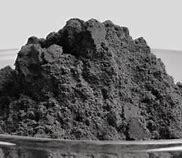
While titanium dominates lightweight structural applications, molybdenum powder and tungsten powder serve high-temperature niches. Molybdenum metal powder (including TZM and MoSi2 variants) excels above 1,000°C, used in furnace parts and electronics. Tungsten powder—dense (19.3 g/cm³), refractory, and radiation-shielding—is favored in defense and medical collimators.
Key comparisons:
- Density: Tungsten > Molybdenum > Titanium
- Melting point: Tungsten (3,422°C) > Molybdenum (2,623°C) > Titanium (1,668°C)
- 3D printing suitability: Titanium > Molybdenum > Tungsten (due to reactivity and sintering challenges)
Suppliers like Global Tungsten & Powders Corporation specialize in tungsten carbide powder and fused tungsten carbide, while international titanium powder vendors focus on gas-atomized Ti64 for additive manufacturing.
6. Key Applications Driving Demand
Titanium powder uses span multiple high-tech sectors:
- Aerospace: Jet engine brackets, landing gear via titanium powder additive manufacturing
- Medical: Patient-specific hip stems and dental implants using biocompatible pure titanium powder
- Defense: Lightweight armor components from TiB2-reinforced composites
- Energy: Hydrogen storage using TiH2 powder
The rise of titanium powder for 3D printing has been the single biggest growth driver, with the titanium 3D printing powder market projected to exceed $1 billion by 2027.
7. Where to Buy and What to Watch For
When looking to buy titanium powder, prioritize reputable titanium powder suppliers who provide full traceability, particle size distribution (PSD) data, and oxygen content reports. Beware of misleading terms like ‘titanium coated diamond powder’—often marketing gimmicks with minimal titanium content.
Also note: ‘Burnt titanium powder coat’ isn’t a standard industrial term; it may refer to oxidized surface layers from improper handling. Always store titanium metal powder under argon to prevent oxidation or combustion—fine titanium dust can be pyrophoric.
8. Conclusion
Titanium powder is far more than a raw material—it’s an enabler of next-generation engineering. Whether you’re evaluating Ti64 powder for aerospace AM or comparing titanium diboride price for ceramic composites, understanding the spectrum of types, production routes, and market dynamics is crucial. While molybdenum powder and tungsten powder dominate extreme environments, titanium’s unique blend of strength, lightness, and biocompatibility ensures its irreplaceable role in modern manufacturing.
Our Website founded on October 17, 2012, is a high-tech enterprise committed to the research and development, production, processing, sales and technical services of ceramic relative materials such as Titanium. Our products includes but not limited to Boron Carbide Ceramic Products, Boron Nitride Ceramic Products, Silicon Carbide Ceramic Products, Silicon Nitride Ceramic Products, Zirconium Dioxide Ceramic Products, etc. If you are interested, please feel free to contact us.