1. Introduction
In the past 48 hours, global markets have seen renewed volatility in specialty metal powders following new export controls announced by key titanium-producing nations, impacting availability and pricing for titanium powder used in additive manufacturing. This comes amid surging demand from aerospace and biomedical sectors seeking high-performance materials like Ti6Al4V powder for next-gen 3D-printed components.
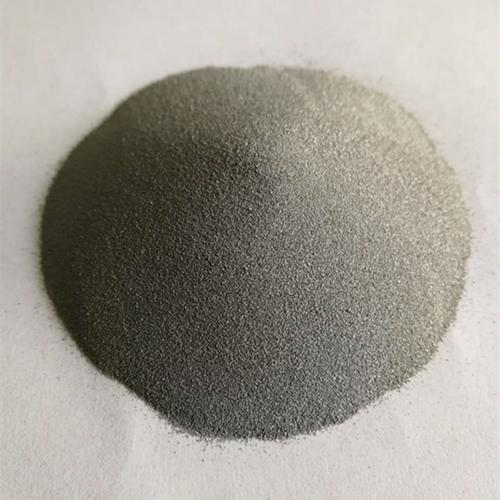
Titanium powder—often referred to as ti powder—is far more than just a metallic dust. Its unique blend of strength, corrosion resistance, and biocompatibility makes it indispensable across cutting-edge industries. But not all titanium powders are created equal. From spherical gas-atomized grades for laser melting to irregular HDH powders for pressing and sintering, the differences matter immensely in performance and cost.
2. Types of Titanium Powder and Their Applications
2.1 Pure Titanium Powder vs. Titanium Alloy Powder
Pure titanium powder offers excellent corrosion resistance and is commonly used in chemical processing and medical implants where biocompatibility is critical. In contrast, titanium alloy powder—especially ti6al4v powder (also known as ti64 powder)—dominates aerospace and high-stress applications due to its superior strength-to-density ratio. Ti6Al4V contains 6% aluminum and 4% vanadium, enhancing mechanical properties without sacrificing weldability or printability.
2.2 Specialty Titanium-Based Powders
Beyond metallic forms, advanced ceramics like titanium nitride powder, titanium carbide powder, and titanium diboride powder (tib2 powder) serve niche roles. Titanium diboride, for instance, is prized for its extreme hardness and electrical conductivity, often used in wear-resistant coatings and cathodes. Similarly, tio2 nano powder (titanium dioxide nanopowder) finds use in sunscreens, photocatalysts, and even food-grade applications—though unrelated to structural 3d printing titanium powder.
Other exotic variants include titanium flash powder (pyrotechnic mixtures), burnt titanium powder coat (a misnomer—titanium itself isn’t typically powder-coated due to reactivity), and titanium coated diamond powder for ultra-precision grinding.
3. Production Methods: How Titanium Powder Is Made
3.1 Gas Atomized Titanium Powder

Gas atomization produces highly spherical particles ideal for titanium powder additive manufacturing. Molten titanium is disintegrated by inert gas jets, yielding smooth, flowable powder with low oxygen content—critical for consistent layer deposition in 3D printers. This method commands a premium but delivers the best results for aerospace-grade parts.
3.2 HDH (Hydride-Dehydride) Titanium Powder
The HDH process involves hydrogenating titanium sponge to make it brittle, milling it into powder, then vacuum-dehydrogenating it. The result is angular, irregular particles suitable for metal injection molding (MIM) or press-and-sinter applications. While cheaper than gas-atomized powder, HDH ti powder has higher oxygen levels and poorer flowability—making it less ideal for high-end 3d printing titanium powder uses.
3.3 Other Forms: TiH2 and Nanopowders
Tih2 powder (titanium hydride) acts as a foaming agent in metal matrix composites. Meanwhile, titanium nanopowder offers high surface area for catalytic or energetic applications but poses handling challenges due to pyrophoricity.
4. Pricing Dynamics and Market Considerations
4.1 Titanium Powder Price Per Kg Trends
As of mid-2024, titanium powder price per kg ranges widely: pure titanium powder starts around $80–120/kg, while aerospace-grade spherical ti6al4v powder can exceed $300–500/kg. The titanium powder for 3d printing price reflects stringent quality controls—particle size distribution, oxygen content (<1000 ppm), and sphericity all drive costs upward.
Factors influencing titanium metal powder price include raw material (sponge) costs, energy-intensive processing, and geopolitical constraints on titanium ore exports. Buyers seeking to buy titanium powder should compare quotes from certified titanium powder suppliers who provide traceable certifications (AMS, ASTM).
4.2 Comparison with Refractory Metal Powders
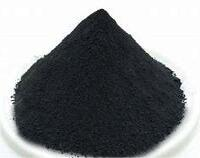
While titanium dominates lightweight structural applications, refractory metals like molybdenum powder and tungsten powder serve high-temperature niches. Moly powder (molybdenum metal powder) costs $30–70/kg, with variants like tzm powder or molybdenum disulfide powder (mos2 powder) used as dry lubricants. Tungsten powder, denser and more heat-resistant, trades at $40–90/kg for pure grades, with tungsten carbide powder price per kg exceeding $100 due to cobalt binder content.
Notably, global tungsten & powders corporation and other major players influence both tungsten and titanium supply chains, especially as defense and EV sectors compete for advanced powders.
5. Key Considerations When Buying Titanium Powder
- Verify particle morphology: spherical for AM, irregular for MIM/sintering
- Check oxygen and nitrogen content—lower is better for mechanical integrity
- Confirm alloy grade (e.g., Grade 5 for Ti6Al4V)
- Assess supplier reliability: international titanium powder vendors must comply with ITAR or EAR regulations if exporting
- Compare total cost: titanium powder cost includes shipping, packaging (argon-filled containers), and certification
Beware of misleading terms like ‘titanium dust’—industrial titanium powder is engineered, not incidental waste. Also, avoid conflating tio2 powder (an oxide) with reactive titanium metal powder, which can ignite if mishandled.
6. Conclusion
Choosing the right titanium powder hinges on application-specific needs: aerospace 3D printing demands spherical ti64 powder despite its steep titanium powder for 3d printing price, while chemical plants may opt for economical HDH pure titanium powder. As additive manufacturing scales, expect innovations in recycling and alternative production methods to moderate titanium powder price trends. For now, partnering with a reputable titanium powder supplier remains essential to balance performance, safety, and cost.
Our Website founded on October 17, 2012, is a high-tech enterprise committed to the research and development, production, processing, sales and technical services of ceramic relative materials such as Titanium. Our products includes but not limited to Boron Carbide Ceramic Products, Boron Nitride Ceramic Products, Silicon Carbide Ceramic Products, Silicon Nitride Ceramic Products, Zirconium Dioxide Ceramic Products, etc. If you are interested, please feel free to contact us.