1. Introduction
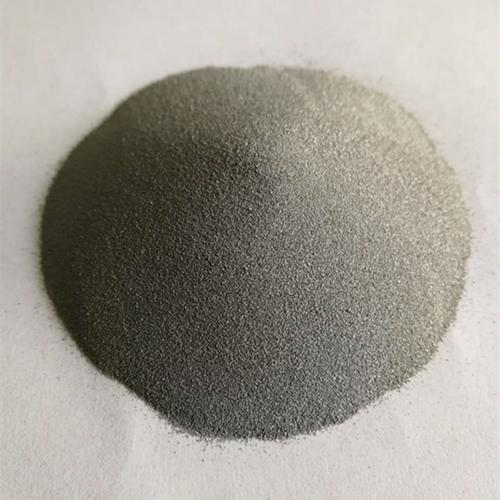
When you think of cutting-edge engineering, titanium probably comes to mind—lightweight, strong, and corrosion-resistant. But in today’s world of precision manufacturing, it’s not just solid titanium that matters. Titanium powder is quietly revolutionizing industries through additive manufacturing (AM), especially in aerospace and biomedical fields.
Unlike bulk metal, titanium powder enables complex geometries, internal lattices, and customized parts that traditional machining simply can’t achieve. And with demand soaring for lightweight yet durable components, titanium powder for 3D printing has become a strategic material worldwide.
2. Why Titanium Powder Dominates High-End 3D Printing
Among all metal powders used in additive manufacturing, titanium stands out for its exceptional strength-to-density ratio and biocompatibility. That’s why it’s the go-to choice for jet engines, satellite components, and even hip implants.
The most widely used variant? Ti6Al4V powder—also known as Ti64 powder. This titanium alloy powder contains 6% aluminum and 4% vanadium, offering superior mechanical properties and excellent performance at high temperatures.
For consistent, high-quality prints, manufacturers rely on spherical titanium powder produced via gas atomization. This method ensures smooth flowability and dense packing—critical for laser-based 3D printing systems like SLM (Selective Laser Melting) or EBM (Electron Beam Melting).
3. Types of Titanium Powder and Their Roles
Not all titanium powder is created equal. Different production methods yield powders suited for specific uses:
- Gas atomized titanium powder: Ideal for high-precision 3D printing due to its spherical shape and low oxygen content.
- HDH titanium powder (Hydride-Dehydride): Cheaper but irregular in shape; often used in lower-cost applications or mixed with other powders.
- Pure titanium powder: Used when maximum biocompatibility is needed, such as in dental implants.
- Ti6Al4V powder: The workhorse of aerospace and medical AM.
Specialty variants like titanium nitride powder, titanium carbide powder, and titanium diboride powder (TiB2 powder) serve niche roles in coatings, cutting tools, and wear-resistant composites—but they’re not typically used as primary feedstock for 3D printing.
4. Understanding Titanium Powder Price and Market Dynamics
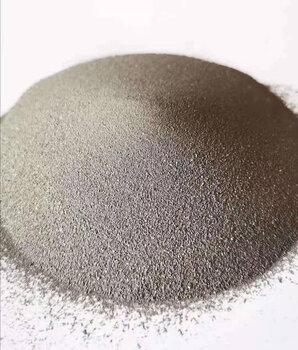
If you’re looking to buy titanium powder, be prepared for premium pricing. The titanium powder price per kg varies widely based on purity, particle size distribution, and morphology.
As of 2024, standard titanium 3D printing powder costs between $300 and $800 per kg. Ti6Al4V powder price tends to sit at the higher end due to alloying complexity. Meanwhile, pure titanium powder may be slightly cheaper but still commands a significant premium over common metals.
Factors influencing titanium powder cost include:
- Production method (gas atomized > HDH)
- Oxygen content (lower = more expensive)
- Certification requirements (aerospace-grade vs. research-grade)
- Order volume and supplier location
International titanium powder suppliers like AP&C (now part of GE Additive), Sandvik, and VSMPO-AVISMA dominate the market, though smaller vendors offer titanium powder for sale at competitive rates for prototyping or R&D.
5. How Titanium Compares to Molybdenum and Tungsten Powders
While titanium powder leads in lightweight applications, it’s worth noting how it stacks up against other advanced metal powders like molybdenum and tungsten.
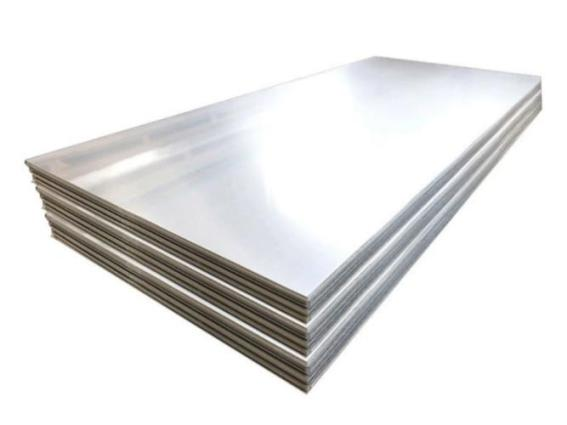
Molybdenum powder (including moly powder, MoS2 powder, and TZM powder) excels in high-temperature environments—think furnace components or rocket nozzles. Molybdenum disulfide powder uses center on lubrication, not structural printing.
Tungsten powder, with its extreme density and melting point, is used in radiation shielding and kinetic penetrators. Spherical tungsten powder and tungsten carbide powder are common in thermal spray and wear-resistant coatings, but their high density and brittleness make them less suitable for general 3D printing than titanium.
In short: titanium wins for weight-sensitive, biocompatible, or corrosion-prone applications; molybdenum and tungsten dominate where heat resistance or density is paramount.
6. Practical Considerations When Buying Titanium Powder
Before you buy titanium powder, consider these tips:
- Verify if you need spherical or irregular particles (spherical is essential for most 3D printers).
- Check oxygen and nitrogen levels—high interstitial content can embrittle printed parts.
- Confirm compliance with ASTM or ISO standards (e.g., ASTM F3049 for Ti6Al4V powder).
- Compare titanium powder price per kg across certified suppliers; beware of unusually low prices that may indicate recycled or contaminated stock.
Reputable titanium powder suppliers provide certificates of analysis and batch traceability—non-negotiable for aerospace or medical use.
7. Safety and Handling Notes
Titanium dust is flammable and can be pyrophoric in fine form. Always handle titanium metal powder in inert atmospheres or under strict safety protocols. Never confuse it with titanium dioxide powder (TiO2 powder), which is a white pigment used in cosmetics and food—not for metal printing.
Similarly, avoid conflating titanium flash powder (a pyrotechnic mix) with additive manufacturing feedstock. They share a name but nothing else.
8. Conclusion
Titanium powder isn’t just another industrial material—it’s the enabler of next-generation engineering. From life-saving implants to fuel-efficient aircraft, titanium powder additive manufacturing continues to push boundaries. While the titanium powder price remains high, its performance justifies the cost in mission-critical applications. As 3D printing scales and recycling improves, expect broader access—but for now, quality, certification, and supplier reliability matter more than ever when you buy titanium powder.
Our Website founded on October 17, 2012, is a high-tech enterprise committed to the research and development, production, processing, sales and technical services of ceramic relative materials such as Titanium. Our products includes but not limited to Boron Carbide Ceramic Products, Boron Nitride Ceramic Products, Silicon Carbide Ceramic Products, Silicon Nitride Ceramic Products, Zirconium Dioxide Ceramic Products, etc. If you are interested, please feel free to contact us.