1. Introduction
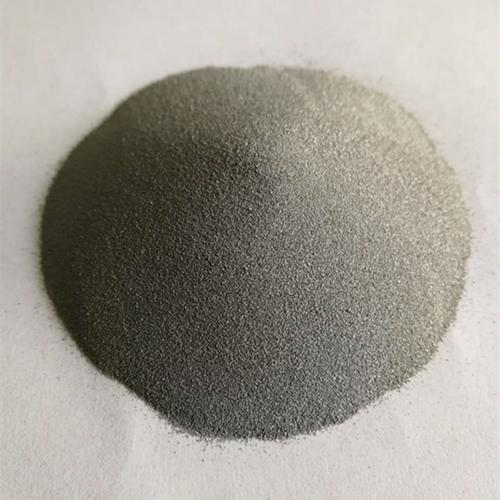
When you think of cutting-edge manufacturing, 3D printing probably comes to mind—but not all 3D printing is created equal. In industries where failure isn’t an option—like aerospace or orthopedic surgery—the choice of raw material can mean the difference between life and death. Enter titanium powder: a high-performance, lightweight, corrosion-resistant metal feedstock that’s revolutionizing how we build complex, mission-critical components.
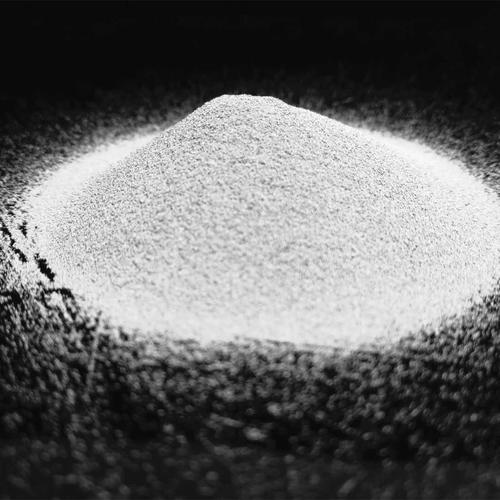
Unlike generic metal powders, titanium powder for 3D printing must meet exacting standards for purity, particle size distribution, and morphology. This niche application demands spherical titanium powder with consistent flowability and high packing density—qualities essential for successful laser or electron beam melting. Let’s dive into why titanium powder has become the gold standard in advanced additive manufacturing.
2. Why Titanium Powder Dominates High-End 3D Printing
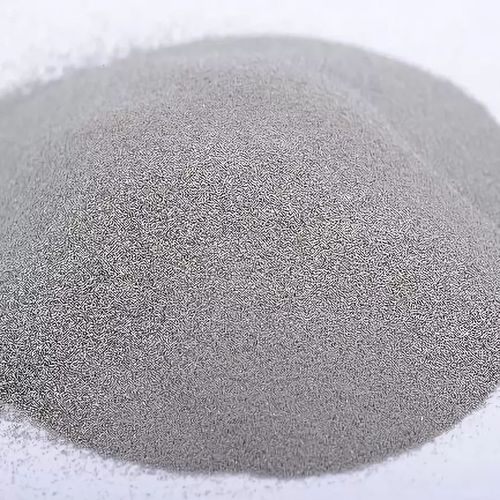
Titanium’s unique blend of strength-to-density ratio, biocompatibility, and resistance to extreme environments makes it ideal for both jet engines and hip replacements. But turning solid titanium into printable powder isn’t simple. Most titanium powder used in additive manufacturing is either gas atomized or produced via the HDH (Hydride-Dehydride) process.
Gas atomized titanium powder yields near-perfect spheres that flow smoothly through 3D printer hoppers and spread evenly across build plates. This is critical for achieving dense, defect-free parts. In contrast, HDH titanium powder is angular and cheaper but less suitable for high-precision applications—though it’s sometimes used in lower-cost or research-grade printers.
3. Key Grades: From Pure Titanium to Ti6Al4V Alloy
Not all titanium powder is the same. The most widely used grade in industrial 3D printing is Ti6Al4V powder (also called Ti64 powder), a titanium alloy containing 6% aluminum and 4% vanadium. Known for its excellent mechanical properties and weldability, Ti6Al4V powder is the go-to for aerospace brackets, turbine blades, and load-bearing medical implants.
For applications requiring maximum biocompatibility—like cranial plates or dental fixtures—pure titanium powder (Grade 1 or 2) is preferred. Meanwhile, specialty powders like titanium nitride powder, titanium carbide powder, and titanium diboride powder (TiB2 powder) are used as additives or coatings to enhance hardness and wear resistance, though they’re not typically printed alone.
- Ti6Al4V powder price typically ranges from $300 to $600 per kg, depending on purity and particle size.
- Pure titanium powder costs slightly less but still commands a premium due to processing complexity.
- Titanium powder price per kg is heavily influenced by global supply chains, energy costs, and certification requirements (e.g., ASTM F3049 for AM powders).
4. Pricing, Suppliers, and Procurement Considerations
If you’re looking to buy titanium powder, be prepared for sticker shock. The titanium powder cost reflects not just raw material value but also the energy-intensive production and rigorous quality control. Reputable titanium powder suppliers like Carpenter Technology, Allegheny Technologies (ATI), and international titanium powder producers in Germany and Japan dominate the market.
When comparing titanium powder for sale, always verify whether it’s spherical, gas atomized, and certified for additive manufacturing. Beware of vague listings—“titanium dust” or “burnt titanium powder coat” aren’t suitable for 3D printing. Similarly, TiO2 powder (titanium dioxide) and TiO2 nano powder are photocatalytic or pigment materials, not structural metals.
For budget-conscious projects, some manufacturers blend recycled titanium powder with virgin material—but this requires strict monitoring to avoid oxygen pickup and contamination.
5. Beyond Titanium: Complementary Powders in Advanced Manufacturing
While titanium powder steals the spotlight, other refractory metal powders play supporting roles in high-performance systems. Molybdenum powder (moly powder), for instance, is used in furnace components and aerospace alloys due to its high melting point. Molybdenum disulfide powder (MoS2 powder) serves as a dry lubricant in moving parts exposed to vacuum or extreme heat.
Tungsten powder and tungsten carbide powder are also critical in wear-resistant coatings and radiation shielding. Global Tungsten & Powders Corporation and other tungsten powder suppliers provide high-density tungsten powder for applications where mass matters—like counterweights or kinetic penetrators. However, these materials are far denser and harder to print than titanium, limiting their use in mainstream additive manufacturing.
6. Conclusion
Titanium powder isn’t just another industrial commodity—it’s a precision-engineered enabler of next-generation engineering. Whether you’re building a satellite component or a custom knee implant, the performance of your final part starts with the quality of your titanium 3D printing powder. As additive manufacturing scales, expect innovations in powder recycling, alloy development (like Ti-5553 or beta-titanium variants), and even hybrid systems combining titanium with molybdenum or tungsten for ultra-specialized functions.
For engineers and procurement teams, understanding titanium powder uses, verifying supplier credentials, and tracking titanium powder price trends will remain essential. After all, in the world of advanced manufacturing, the right powder doesn’t just fill a hopper—it powers progress.
Our Website founded on October 17, 2012, is a high-tech enterprise committed to the research and development, production, processing, sales and technical services of ceramic relative materials such as Titanium. Our products includes but not limited to Boron Carbide Ceramic Products, Boron Nitride Ceramic Products, Silicon Carbide Ceramic Products, Silicon Nitride Ceramic Products, Zirconium Dioxide Ceramic Products, etc. If you are interested, please feel free to contact us.