1. Introduction
Imagine a material so strong it laughs at corrosion, so light it practically floats, and so versatile it builds jet engines, hip implants, and even sparkly cosmetics. Meet titanium powder—the unsung hero of modern engineering. Forget boring gray dust; this stuff is the James Bond of metal powders: sleek, expensive, and always ready for action.
But what exactly is titanium powder? Why does its price per kilogram make your wallet whimper? And can you really 3D-print a spaceship with it? Buckle up—we’re diving deep into the world of ti powder, tio2 nano powder, and everything in between.
2. What Is Titanium Powder?
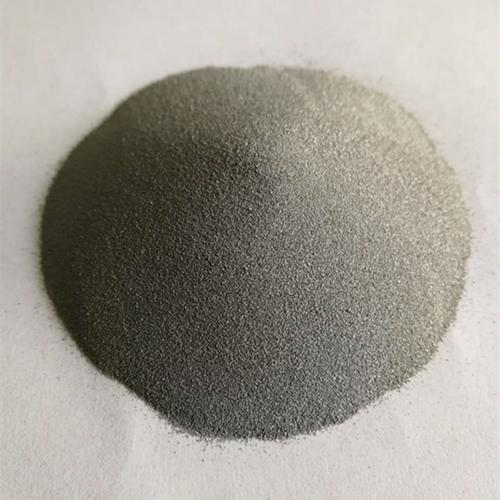
Titanium powder is finely divided titanium metal or alloy, typically ranging from nanometers to hundreds of microns in size. Unlike the solid bars you might picture, this powder form unlocks revolutionary manufacturing techniques—especially additive manufacturing (a fancy term for 3D printing).
Not all titanium powders are created equal. You’ve got pure titanium powder for biomedical uses, gas atomized titanium powder for high-performance aerospace parts, and HDH titanium powder (made via hydride-dehydride process) for cost-sensitive applications. And let’s not forget the superstar alloy: ti6al4v powder (also called ti64 powder), which dominates the medical and aerospace sectors.
2.1. Common Types and Their Superpowers
- Pure titanium powder: Biocompatible and corrosion-resistant—ideal for dental implants.
- Ti6Al4V powder: The go-to titanium alloy powder for 3D printing jet components and prosthetics.
- Spherical titanium powder: Perfectly round particles that flow like liquid gold in 3D printers.
- Titanium nitride powder & titanium carbide powder: Hard, wear-resistant coatings for cutting tools.
- Tio2 powder (titanium dioxide): Not metallic—but widely used in sunscreens, paints, and yes, powdered sugar (don’t panic).
- Titanium diboride powder (TiB2) and titanium boride powder: Ultra-hard ceramics for armor and electrodes.
- Titanium flash powder: Pyrotechnic mixtures (handle with extreme caution—this isn’t party glitter).
3. How Is Titanium Powder Made?
Making titanium powder isn’t like grinding coffee beans. Two dominant methods rule the roost: gas atomization and the HDH process.
Gas atomized titanium powder is created by melting titanium and blasting it with inert gas to form perfect spheres—ideal for titanium powder additive manufacturing. Meanwhile, HDH titanium powder involves crushing titanium sponge, hydrogenating it to make it brittle, then milling and dehydrogenating. It’s cheaper but less spherical—great for pressing and sintering, not so much for high-end 3D printing.
4. Titanium Powder Uses: From Hip Replacements to Hypersonic Jets
The titanium powder uses list reads like a sci-fi novel:
- Aerospace: Turbine blades, structural brackets, and landing gear made via titanium 3D printing powder.
- Medical: Customized implants using biocompatible ti6al4v powder.
- Automotive: Lightweight performance parts.
- Defense: Armor plating using titanium diboride or titanium carbide powder.
- Energy: Components for nuclear reactors and hydrogen storage.
- Even consumer goods: Titanium-coated diamond powder for polishing, and burnt titanium powder coat finishes for that edgy industrial look.
5. The Price Tag: Why Titanium Powder Costs a Small Fortune
Let’s talk numbers. The titanium powder price per kg can range from $50 to over $500—yes, really. Why? Because titanium is notoriously difficult to refine, and powder production adds layers of complexity.
Factors affecting titanium powder cost include purity, particle size distribution, morphology (spherical vs. irregular), and alloy type. For instance, titanium powder for 3D printing price is higher than standard HDH powder due to stringent quality controls. Ti6al4v powder price often exceeds $300/kg, while pure titanium powder might start around $100/kg.
And if you’re wondering ‘is titanium powder cheaper than titanium wire?’—usually not. Wire is simpler to produce; powder demands precision engineering.
6. Where to Buy Titanium Powder (Without Selling a Kidney)
Looking to buy titanium powder? Reputable titanium powder suppliers include international titanium powder specialists like Allegheny Technologies, Carpenter Technology, and AP&C (now part of GE Additive). Always verify certifications—especially for medical or aerospace use.
When sourcing, clarify whether you need spherical titanium powder, HDH, or nano-grade tio2 nano powder. And don’t confuse titanium metal powder with tih2 powder (titanium hydride), which is used in pyrotechnics and metallurgy but behaves very differently.
7. Bonus Round: Molybdenum and Tungsten Powders—Titanium’s Heavyweight Cousins
While we’re on metal powders, let’s tip our hats to molybdenum powder and tungsten powder—two dense, heat-resistant siblings often mentioned alongside titanium.
Molybdenum metal powder (aka moly powder) shines in high-temp furnaces and alloys like TZM powder. Molybdenum disulfide powder (MoS2 powder) is a dry lubricant—think ‘moly disulfide powder for sale’ when your gears need silent, smooth operation.
Tungsten powder? That’s the heavyweight champ. With the highest melting point of all metals, tungsten metal powder is used in filaments, radiation shielding, and tungsten carbide powder for cutting tools. Global Tungsten & Powders Corporation is a major player here. Whether you need spherical tungsten powder or fused tungsten carbide powder, expect prices to reflect its density and rarity—tungsten powder price per kg often rivals titanium.
8. Conclusion
Titanium powder isn’t just metal dust—it’s the foundation of next-gen innovation. From life-saving implants to spacecraft components, its versatility justifies the steep titanium powder price. Whether you’re an engineer sourcing ti64 powder or a curious hobbyist wondering how to make titanium flash powder (please don’t), understanding the landscape—from gas atomized titanium powder to tio2 nano powder—is key.
So next time you hear ‘titanium powder for sale,’ remember: you’re not just buying metal. You’re buying the future—one expensive, sparkly kilogram at a time.
Our Website founded on October 17, 2012, is a high-tech enterprise committed to the research and development, production, processing, sales and technical services of ceramic relative materials such as Titanium. Our products includes but not limited to Boron Carbide Ceramic Products, Boron Nitride Ceramic Products, Silicon Carbide Ceramic Products, Silicon Nitride Ceramic Products, Zirconium Dioxide Ceramic Products, etc. If you are interested, please feel free to contact us.