1. Introduction
In breaking news from just 24 hours ago, a major aerospace manufacturer announced a breakthrough in large-scale additive manufacturing using recycled titanium powder—slashing costs by 30% while maintaining aerospace-grade integrity. This development has sent ripples through the materials science world and reignited global interest in titanium powder as a cornerstone of next-gen engineering.
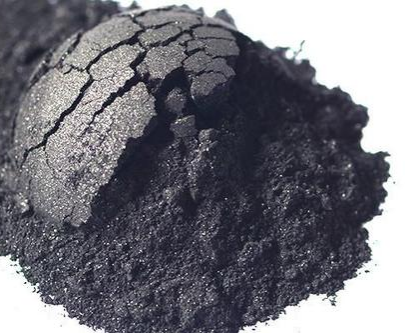
But hold on—before you rush to sprinkle titanium powder on your pancakes thinking it’ll give you super strength (spoiler: it won’t), let’s clarify what titanium powder actually is. Despite sharing a name with the harmless titanium dioxide (TiO2) used in sunscreen and yes, some powdered sugars, industrial titanium powder is a high-performance metal material with zero culinary ambitions. In fact, mixing it into buttercream would be a one-way ticket to… well, a very expensive mess.
2. What Exactly Is Titanium Powder?
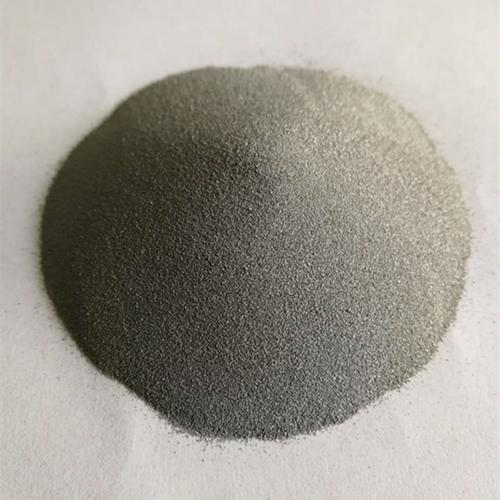
Titanium powder—often abbreviated as Ti powder—is a fine particulate form of titanium metal. Unlike the chalky white TiO2 nano powder found in cosmetics, pure titanium powder is typically gray, reactive, and engineered for structural applications. It comes in various forms: gas atomized titanium powder (spherical and perfect for 3D printing), HDH titanium powder (irregular-shaped, made via hydride-dehydride process), and even specialty blends like Ti6Al4V powder (also called Ti64 powder), the superstar alloy of aerospace and medical implants.
And no, despite urban legends and YouTube experiments, titanium flash powder isn’t something you casually mix in your garage. It’s pyrophoric under certain conditions—meaning it can ignite spontaneously in air—and definitely not the kind of ‘sparkle’ you want near open flames.
3. Types and Variants of Titanium Powder
3.1. Pure and Alloyed Powders
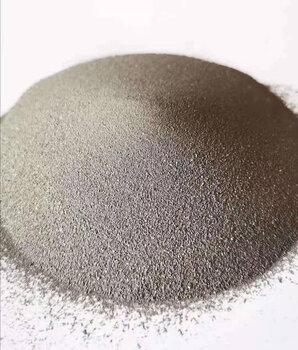
Pure titanium powder serves niche roles where corrosion resistance and biocompatibility matter—think dental implants or chemical reactors. But most industrial demand centers on titanium alloy powder, especially Ti6Al4V powder. This blend of titanium, aluminum, and vanadium offers an unbeatable strength-to-weight ratio, making it ideal for jet engines and prosthetic hips alike.
3.2. Specialty Powders
Beyond the basics, the market includes exotic variants like titanium nitride powder (hard, gold-colored coating material), titanium carbide powder (used in cutting tools), and titanium diboride powder (TiB2 powder)—a ceramic-metal composite prized for wear resistance. There’s even titanium boride powder and titanium coated diamond powder for ultra-high-performance abrasives.
Don’t confuse these with burnt titanium powder coat—that’s a surface finish, not a raw material. And while titanium nanopowder sounds sci-fi cool, it’s mostly used in catalysis and research, not your average workshop.
4. Titanium Powder for 3D Printing: The Additive Revolution
Additive manufacturing has turned titanium powder into digital-age gold. Spherical titanium powder—produced via plasma or gas atomization—flows smoothly in powder-bed fusion printers, enabling complex geometries impossible with traditional machining. This is why ‘titanium powder for 3D printing’ searches are skyrocketing.
But here’s the catch: quality matters. Contaminants or irregular particle shapes can ruin a print. That’s why aerospace and medical sectors demand certified Ti6Al4V powder with strict oxygen content limits. And yes, that quality comes at a price—titanium powder for 3D printing price typically ranges from $300 to $800 per kg, depending on purity, morphology, and supplier.
5. Pricing, Suppliers, and the Global Market
Speaking of cost, ‘titanium powder price per kg’ varies wildly. Pure titanium metal powder might start around $150/kg, while high-spec spherical Ti64 powder can hit $1,000/kg. Factors like production method (gas atomized vs. HDH), batch size, and certification drive these swings. International titanium powder markets are dominated by players in the U.S., Germany, Japan, and China—with lead times often stretching weeks due to stringent quality controls.
If you’re looking to ‘buy titanium powder,’ reputable titanium powder suppliers include companies like Allegheny Technologies, Carpenter Technology, and AP&C (now part of GE Additive). Always verify certifications—especially if your application involves human implants or flight-critical parts.
6. Safety, Storage, and Misconceptions
Titanium dust is flammable. Store it in inert atmospheres, away from sparks or moisture. And no, it’s not the same as the TiO2 in your toothpaste. Confusing titanium metal powder with titanium dioxide powder is like mistaking a race car for a toy wagon—they share a name but operate in entirely different universes.
Also, despite viral videos, DIY titanium flash powder is dangerous and often illegal without proper permits. Leave the pyrotechnics to professionals.
7. Related Materials: Molybdenum and Tungsten Powders
While titanium steals the spotlight, don’t sleep on its metallic cousins. Molybdenum powder (aka moly powder) and tungsten powder are critical in high-temp applications. Molybdenum disulfide powder (MoS2 powder) is a dry lubricant used in space mechanisms, while tungsten carbide powder powers cutting tools and armor-piercing rounds.
Global Tungsten & Powders Corporation and other tungsten powder suppliers cater to industries needing extreme density and heat resistance. Tungsten powder price per kg hovers around $30–$60, far cheaper than titanium—but denser, heavier, and less biocompatible.
Whether you need molybdenum trioxide powder for catalysts or spherical tungsten powder for radiation shielding, these materials complement titanium in the advanced materials ecosystem.
8. Conclusion
Titanium powder isn’t just metal dust—it’s the backbone of modern innovation in aerospace, medicine, and manufacturing. From Ti6Al4V powder enabling lighter aircraft to spherical titanium powder revolutionizing custom implants, its value goes far beyond the ‘titanium powder price’ tag. Just remember: it’s for building rockets, not frosting cupcakes. And if you’re sourcing it, choose wisely—your application (and safety) depend on it.
Our Website founded on October 17, 2012, is a high-tech enterprise committed to the research and development, production, processing, sales and technical services of ceramic relative materials such as Titanium. Our products includes but not limited to Boron Carbide Ceramic Products, Boron Nitride Ceramic Products, Silicon Carbide Ceramic Products, Silicon Nitride Ceramic Products, Zirconium Dioxide Ceramic Products, etc. If you are interested, please feel free to contact us.