1. Introduction
Titanium powder, often referred to as Ti powder, is a critical raw material in advanced manufacturing sectors ranging from aerospace to biomedical engineering. With rising demand for lightweight, high-strength components, titanium powder has become indispensable in modern industrial processes—particularly in additive manufacturing (3D printing). This article explores the composition, production techniques, applications, pricing dynamics, and supply chain considerations surrounding titanium powder, while also contextualizing it alongside other strategic metal powders like molybdenum and tungsten.
2. What Is Titanium Powder?
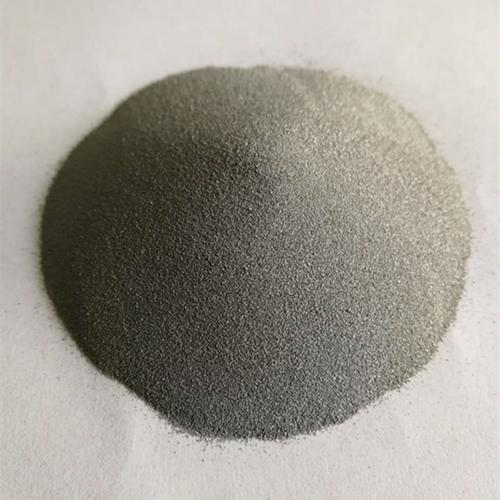
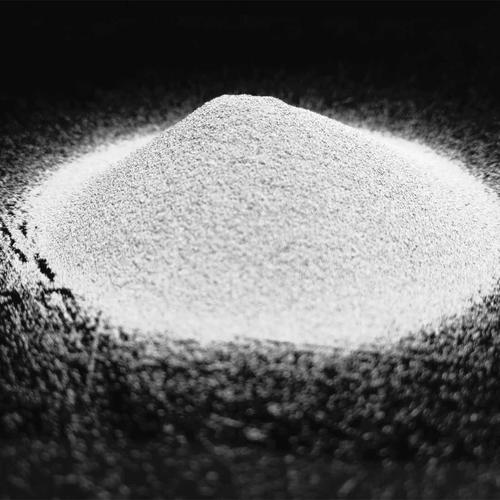
Titanium powder consists of fine particles of elemental titanium or titanium-based alloys. It appears as a grayish metallic dust and is available in various forms, including pure titanium powder, spherical titanium powder, and alloyed variants such as Ti6Al4V powder (also known as Ti64 powder). The powder can be produced through multiple methods, with gas atomized titanium powder and HDH (Hydride-Dehydride) titanium powder being the most common. Unlike titanium dioxide (TiO2 powder)—a white pigment used in cosmetics and paints—titanium metal powder is conductive, reactive at high temperatures, and valued for its mechanical properties. Note that titanium dust should be handled carefully due to potential flammability risks under certain conditions.
3. Production Methods and Powder Types
The two dominant production routes for titanium powder are gas atomization and the HDH process. Gas atomized titanium powder yields spherical particles ideal for 3D printing due to excellent flowability and packing density. In contrast, HDH titanium powder produces irregularly shaped particles suited for pressing and sintering applications. Specialty variants include titanium nitride powder, titanium carbide powder, titanium diboride powder (TiB2 powder), and titanium boride powder—all engineered for wear resistance, hardness, or catalytic functions. Nano-scale options like titanium nanopowder and TiO2 nano powder serve niche roles in electronics and photocatalysis. Additionally, titanium flash powder and burnt titanium powder coat are terms sometimes associated with pyrotechnic or surface treatment contexts, though they are not standard industrial materials.
4. Key Applications of Titanium Powder
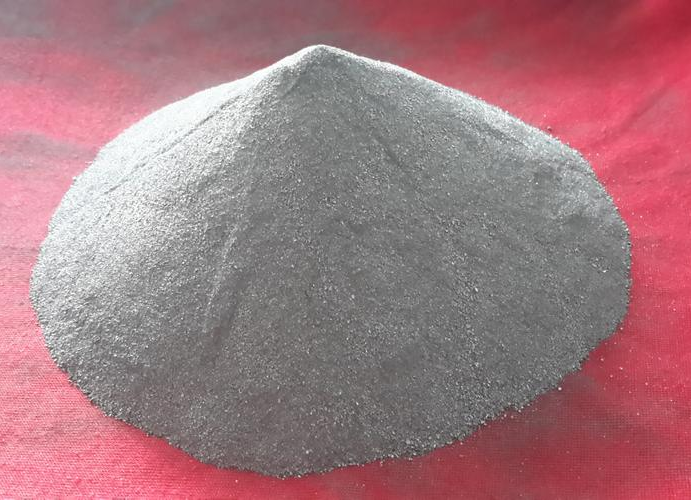
Titanium powder uses span numerous high-tech fields. In additive manufacturing, titanium powder for 3D printing—especially Ti6Al4v powder—is widely employed to fabricate complex aerospace components, medical implants, and automotive parts. The biocompatibility and strength-to-density ratio of titanium make it ideal for orthopedic devices. Beyond 3D printing, titanium metal powder is used in powder metallurgy, metal injection molding (MIM), and as an additive in aluminum and steel alloys. Titanium-coated diamond powder finds use in cutting tools, while titanium diboride powder serves in armor and refractory applications. Notably, titanium powder is distinct from TiO2 powder, which is non-metallic and used primarily as a UV blocker or whitening agent—not for structural purposes.
5. Pricing and Market Considerations
The titanium powder price per kg varies significantly based on purity, particle size, morphology, and alloy composition. Pure titanium powder typically costs less than high-performance grades like spherical Ti6Al4V powder. The titanium powder for 3D printing price is generally higher due to stringent quality requirements—often exceeding $300–$800 per kg depending on volume and supplier. Factors influencing titanium powder cost include production method (gas atomized commands a premium), certification standards (e.g., ASTM B988), and global supply chain dynamics. When looking to buy titanium powder, buyers should compare quotes from reputable titanium powder suppliers and verify specifications such as oxygen content and particle size distribution. International titanium powder markets are influenced by raw material availability, energy costs, and export regulations.
6. Comparison with Molybdenum and Tungsten Powders
While titanium powder excels in lightweight strength, molybdenum powder and tungsten powder offer complementary advantages in high-temperature and wear-resistant applications. Molybdenum metal powder (including MoS2 powder, moly disulfide powder, and TZM powder) is valued for its thermal stability and lubricity, with molybdenum disulfide powder uses spanning aerospace lubricants to battery electrodes. Similarly, tungsten powder—available as pure tungsten powder, spherical tungsten powder, or fused tungsten carbide powder—is renowned for its extreme density and melting point. Tungsten carbide powder price per kg often exceeds titanium’s due to hardness and tooling demand. Companies like Global Tungsten & Powders Corporation dominate this segment. Though distinct in function, these powders sometimes coexist in composite materials or hybrid manufacturing systems.
7. Sourcing and Safety Guidelines
When seeking to buy titanium powder or titanium powder for sale, prioritize certified titanium powder suppliers who provide material test reports (MTRs) and comply with ISO or ASTM standards. Ensure proper handling protocols: titanium dust can be pyrophoric in fine form, requiring inert atmosphere storage and explosion-proof equipment. Avoid confusion with non-metallic TiO2 powder, which is generally safe but regulated in food and cosmetics. For specialized needs—such as titanium 3D printing powder or titanium alloy powder—request samples to validate printability and mechanical performance. Always confirm whether the product is gas atomized titanium powder (preferred for AM) or HDH-derived, as this affects process compatibility.
8. Conclusion
Titanium powder remains a cornerstone material in next-generation manufacturing, driven by its unmatched combination of strength, corrosion resistance, and biocompatibility. Whether used as pure titanium powder, Ti6Al4V powder, or advanced composites like titanium diboride, its role continues to expand—especially in additive manufacturing. Understanding titanium powder price variables, production methods, and supplier reliability is essential for engineers and procurement professionals. As industries increasingly adopt metal additive technologies, demand for high-quality titanium metal powder will likely grow, reinforcing its strategic importance alongside complementary materials like molybdenum and tungsten powders.
Our Website founded on October 17, 2012, is a high-tech enterprise committed to the research and development, production, processing, sales and technical services of ceramic relative materials such as Understand. Our products includes but not limited to Boron Carbide Ceramic Products, Boron Nitride Ceramic Products, Silicon Carbide Ceramic Products, Silicon Nitride Ceramic Products, Zirconium Dioxide Ceramic Products, etc. If you are interested, please feel free to contact us.