1. Introduction
In the past 48 hours, aerospace and medical device manufacturers have intensified their search for reliable titanium powder suppliers amid global supply chain adjustments following new export regulations from key producers in Europe and Asia. This renewed interest highlights the growing demand for high-performance metal powders in advanced manufacturing.
Titanium powder—often referred to as ti powder—is far more than just a fine metal dust. It’s a critical enabler of modern technologies, from life-saving implants to next-gen jet engines. Whether you’re exploring titanium powder for 3d printing, researching tio2 nano powder for cosmetics, or comparing titanium metal powder price per kg against alternatives like molybdenum or tungsten powders, understanding its properties and market landscape is essential.
2. What Is Titanium Powder?
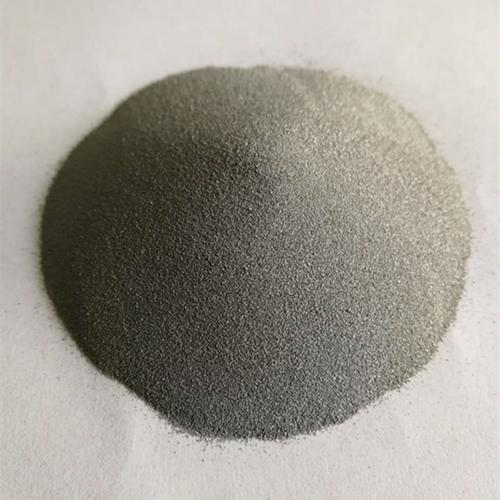
Titanium powder is a finely divided form of titanium metal, produced through various metallurgical processes. Unlike bulk titanium, which is strong but difficult to machine, titanium powder offers versatility in shaping—especially via additive manufacturing.
Common forms include:
- Pure titanium powder (Grade 1 or 2)
- Titanium alloy powder like ti6al4v powder (also called ti64 powder)
- Specialty variants such as titanium nitride powder, titanium carbide powder, and titanium diboride powder (tib2 powder)
- Spherical titanium powder, ideal for consistent flow in 3D printers
- HDH titanium powder (Hydride-Dehydride process) and gas atomized titanium powder, differing in particle shape and cost
Note: Don’t confuse metallic titanium powder with tio2 powder (titanium dioxide), which is a white pigment used in paints, sunscreens, and food—not suitable for structural applications.
3. How Is Titanium Powder Made?
The two dominant methods are gas atomization and the HDH process.
Gas atomized titanium powder yields spherical particles perfect for titanium powder additive manufacturing. It’s more expensive but ensures high packing density and smooth layer deposition in 3D printing.
HDH titanium powder is irregularly shaped, cheaper, and often used in powder metallurgy or chemical applications. It starts with titanium sponge, which is crushed after hydrogen treatment.
Other niche types include tih2 powder (titanium hydride), used as a foaming agent, and titanium flash powder—a pyrotechnic mix not to be confused with pure metal powder.

4. Key Uses of Titanium Powder
Titanium powder uses span multiple high-tech sectors:
- Aerospace: Jet engine components and airframes using ti6al4v powder
- Medical: Biocompatible implants made via titanium 3d printing powder
- Automotive: Lightweight, high-strength parts
- Energy: Components for hydrogen storage and fuel cells
- Defense: Armor and propulsion systems
Beyond structural uses, derivatives like titanium carbide powder serve in cutting tools, while titanium nitride powder coats surfaces for wear resistance. Even titanium coated diamond powder finds use in precision grinding.
5. Titanium Powder Pricing and Market Trends
The titanium powder price per kg varies widely based on purity, particle size, morphology, and alloy type.
As of mid-2024:
- Pure titanium powder: $80–$150/kg
- Ti6al4v powder price: $120–$250/kg
- Spherical titanium powder for 3d printing: Often at the higher end due to processing costs
Factors affecting titanium powder cost include raw material availability, energy-intensive production, and certification requirements (e.g., ASTM standards for medical use).
For those looking to buy titanium powder, always verify if the supplier offers certified, traceable lots—especially for critical applications.
6. Titanium vs. Other Metal Powders
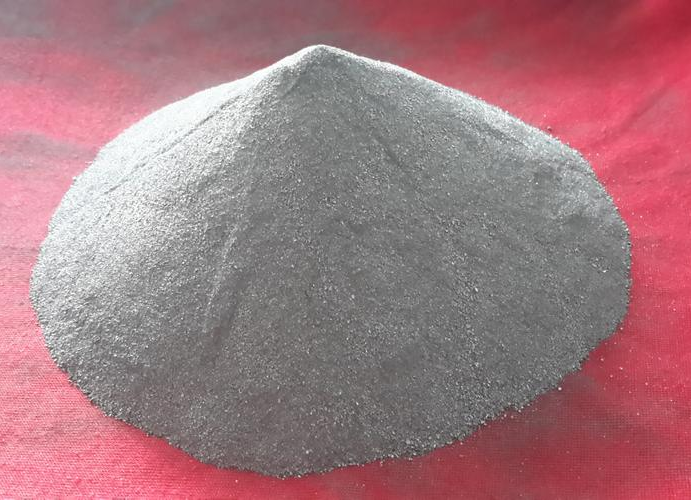
While titanium dominates lightweight strength applications, engineers often compare it with molybdenum powder and tungsten powder.
Molybdenum metal powder (moly powder) excels in high-temperature environments. Variants like molybdenum disulfide powder (mos2 powder) act as dry lubricants, while tzm powder (titanium-zirconium-molybdenum) offers enhanced creep resistance.
Tungsten powder, including spherical tungsten powder and tungsten carbide powder, delivers extreme density and hardness. Global tungsten & powders corporation and other suppliers cater to industries needing wear-resistant coatings or radiation shielding.
Unlike titanium, tungsten powder price per kg can exceed $300 for high-purity grades, and tungsten carbide powder price per kg often ranges $50–$150 depending on cobalt content.
7. Where to Buy Titanium Powder
Reputable titanium powder suppliers include both international and regional players. Look for vendors offering:
- Certifications (ISO, ASTM, AMS)
- Batch-specific test reports
- Options for small R&D quantities or bulk orders
Many suppliers now list titanium powder for sale online with clear specs on particle size distribution, oxygen content, and flowability—key metrics for 3d printing titanium powder price justification.
Also consider related offerings: some suppliers bundle titanium alloy powder with molybdenum disulfide powder for sale or tungsten carbide thermal spray powder for hybrid applications.
8. Safety and Handling Notes
Titanium dust can be flammable under certain conditions—fine particles may ignite spontaneously in air (pyrophoric risk). Always store in inert atmospheres and follow OSHA guidelines.
Burnt titanium powder coat residues require specialized cleaning; never use abrasive methods on sensitive components like titanium handlebars.
9. Conclusion
Titanium powder is a cornerstone of modern advanced manufacturing. From affordable hdh titanium powder for research to premium spherical ti64 powder for aerospace 3D printing, its versatility is unmatched. As additive manufacturing scales, expect innovations in recycling, lower costs, and tighter integration with complementary materials like molybdenum and tungsten powders. Whether you’re evaluating titanium powder price per kg or sourcing ti powder for a prototype, informed decisions start with understanding the full spectrum of options available.
Our Website founded on October 17, 2012, is a high-tech enterprise committed to the research and development, production, processing, sales and technical services of ceramic relative materials such as Understand. Our products includes but not limited to Boron Carbide Ceramic Products, Boron Nitride Ceramic Products, Silicon Carbide Ceramic Products, Silicon Nitride Ceramic Products, Zirconium Dioxide Ceramic Products, etc. If you are interested, please feel free to contact us.