1. Introduction
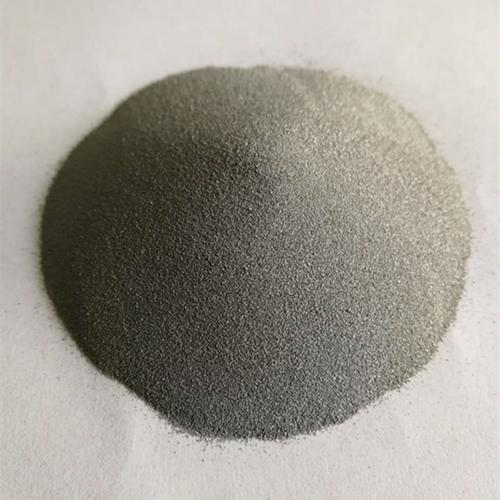
When you hear ‘titanium powder,’ your mind might jump to sunscreen or sparklers—but in cutting-edge industries, this fine metallic material is revolutionizing how we build complex, high-strength components. Specifically, titanium powder for 3D printing has become a game-changer in aerospace, biomedical engineering, and defense applications. Unlike everyday powders like titanium dioxide (TiO2 powder), which is used in cosmetics and food, titanium metal powder is engineered for structural integrity, biocompatibility, and extreme environment performance.
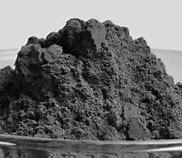
In this article, we’ll dive into the niche but rapidly growing world of titanium powder additive manufacturing—what makes it special, how much it costs, and where to source reliable grades like Ti6Al4V powder or pure titanium powder.
2. Why Titanium Powder Excels in Additive Manufacturing
Titanium’s unique blend of high strength-to-density ratio, corrosion resistance, and biocompatibility makes it ideal for mission-critical parts. But not just any titanium powder works in 3D printers. For successful metal additive manufacturing, you need spherical titanium powder with consistent particle size distribution—typically produced via gas atomization.
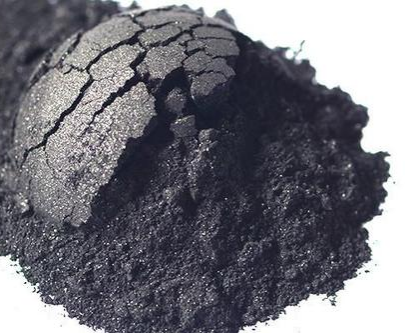
The most widely used alloy is Ti6Al4v powder (also called Ti64 powder), which offers excellent mechanical properties after printing and heat treatment. Pure titanium powder is preferred for medical implants due to its superior biocompatibility, while specialty variants like titanium nitride powder or titanium carbide powder serve surface-enhancement roles rather than bulk printing.
3. Key Types of Titanium Powder Used in 3D Printing
- Spherical titanium powder: Essential for smooth powder flow in laser powder bed fusion (LPBF) systems.
- Gas atomized titanium powder: High-purity, low-oxygen content ideal for aerospace-grade parts.
- HDH titanium powder (Hydride-Dehydride): Cheaper but irregular-shaped; rarely used in high-end 3D printing.
- Ti6Al4V powder: The industry standard alloy for printed jet engine brackets, orthopedic implants, and drone components.
- Pure titanium powder: Used when maximum corrosion resistance or bio-inertness is required.
Note: Materials like TiO2 nano powder, titanium flash powder, or burnt titanium powder coat are unrelated to structural 3D printing—they serve chemical, pyrotechnic, or coating purposes instead.
4. Understanding Titanium Powder Price and Cost Factors
One of the biggest hurdles in adopting titanium 3D printing is cost. The titanium powder price per kg can range from $300 to over $800, depending on purity, morphology, and alloy type. Ti6Al4v powder price typically sits higher than pure titanium powder due to added vanadium and aluminum processing.
Factors influencing titanium powder cost include:
- Production method (gas atomized vs. plasma rotating electrode)
- Oxygen and nitrogen content (lower = more expensive)
- Particle size distribution (narrower = better for printing = pricier)
- Order volume and supplier location
For context, titanium powder for 3D printing price is significantly higher than alternatives like molybdenum powder or tungsten powder—but justified by titanium’s unmatched performance in weight-sensitive applications.
5. Where to Buy Titanium Powder: Choosing a Reliable Supplier
If you’re looking to buy titanium powder for sale, work only with certified titanium powder suppliers who provide full material traceability, particle size reports, and oxygen content data. Reputable international titanium powder vendors often comply with ASTM or ISO standards for additive manufacturing feedstocks.
Beware of misleading listings: Some sellers advertise ‘titanium dust’ or ‘titanium nanopowder’ that isn’t suitable for printing. Always confirm whether the product is spherical, gas atomized, and intended for additive manufacturing—not for pigments or pyrotechnics.
Also note: While related materials like molybdenum disulfide powder or tungsten carbide powder serve lubrication or wear-resistance roles, they don’t substitute for titanium metal powder in structural AM applications.
6. Common Misconceptions Clarified
Many confuse titanium powder with TiO2 powder—a white pigment found in toothpaste and powdered sugar. TiO2 has no role in metal 3D printing. Similarly, titanium diboride powder (TiB2 powder) and titanium boride powder are ultra-hard ceramics used in cutting tools, not printable metals.
Another myth: All titanium powders are pyrophoric. While fine titanium dust can ignite under certain conditions, commercial 3D printing powders are handled safely in inert atmospheres and pose minimal risk when protocols are followed.
Lastly, titanium powder isn’t interchangeable with tungsten powder or moly powder—each has distinct density, melting point, and application niches. Tungsten powder price per kg may be lower, but its extreme density makes it unsuitable where weight matters.
7. Conclusion
Titanium powder—especially spherical, gas-atomized Ti6Al4V—is a cornerstone of modern metal additive manufacturing. Though its titanium metal powder price is steep, the payoff in performance, weight savings, and design freedom justifies the investment for aerospace, medical, and high-tech sectors. When sourcing, prioritize certified suppliers offering true titanium 3D printing powder with verified specs—not generic ‘titanium dust’ or cosmetic-grade TiO2. As technology advances and recycling improves, expect titanium powder cost to gradually decline, opening doors to even broader industrial adoption.
Our Website founded on October 17, 2012, is a high-tech enterprise committed to the research and development, production, processing, sales and technical services of ceramic relative materials such as Unlock. Our products includes but not limited to Boron Carbide Ceramic Products, Boron Nitride Ceramic Products, Silicon Carbide Ceramic Products, Silicon Nitride Ceramic Products, Zirconium Dioxide Ceramic Products, etc. If you are interested, please feel free to contact us.