1. Introduction
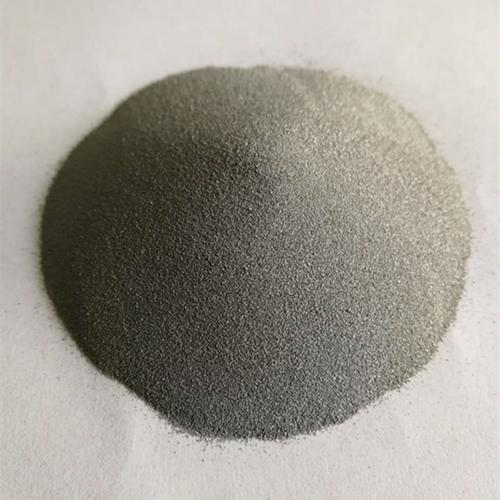
Ever wondered what gives high-performance aerospace parts their strength-to-weight advantage or how custom medical implants are made with pinpoint precision? The answer often lies in a fine, silvery-gray substance: titanium powder. Also known as Ti powder, this versatile material is at the heart of modern additive manufacturing, metallurgy, and advanced ceramics. From pure titanium powder to specialized blends like Ti6Al4V powder (also called Ti64 powder), the range of formulations serves industries demanding extreme durability, biocompatibility, and corrosion resistance. In this guide, we’ll explore what titanium powder really is, how it’s made, where it’s used, and what affects its price—including the growing demand for titanium powder for 3D printing.
2. What Is Titanium Powder?
Titanium powder refers to finely divided particles of titanium metal or its compounds. It can exist in various forms: pure titanium powder, titanium alloy powder (like Ti6Al4V), or compound-based variants such as titanium dioxide (TiO2) powder, titanium nitride powder, titanium carbide powder, and titanium diboride (TiB2) powder. Particle morphology matters too—spherical titanium powder is preferred for 3D printing due to better flowability, while irregular HDH (Hydride-Dehydride) titanium powder suits pressing and sintering. You might also encounter niche types like titanium flash powder (used in pyrotechnics) or titanium nanopowder for catalytic applications. Despite sounding exotic, titanium dust is handled carefully due to flammability risks—it’s not water-reactive but can be pyrophoric in fine form.
3. How Is Titanium Powder Made?
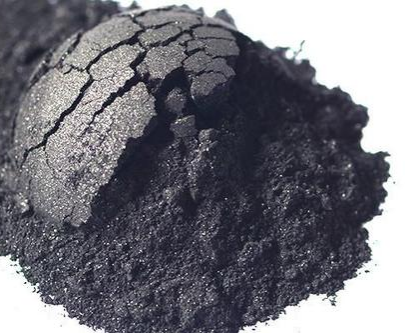
The two dominant industrial methods are gas atomization and the HDH process. Gas atomized titanium powder produces spherical particles ideal for additive manufacturing, while HDH yields angular, lower-cost powder suited for traditional powder metallurgy. Other forms like TiH2 powder (titanium hydride) serve as precursors that decompose into pure titanium during processing. TiO2 nano powder, though chemically different, is derived from mineral ores like ilmenite and used widely in sunscreens and paints—not to be confused with metallic titanium powder. Burnt titanium powder coat isn’t a standard term; it likely refers to surface oxidation after high-temp exposure, not a commercial product.
4. Key Uses of Titanium Powder
Titanium powder uses span far beyond the lab. In aerospace and defense, titanium alloy powder enables lightweight jet engine components. The medical field relies on biocompatible Ti6Al4V powder for 3D-printed hip replacements and dental implants. Additive manufacturing—often called titanium powder additive manufacturing—has exploded thanks to materials like spherical titanium powder that feed into laser powder bed fusion machines. Elsewhere, titanium carbide and titanium nitride powders enhance cutting tools, while titanium diboride powder strengthens composites. Even titanium-coated diamond powder finds use in precision grinding. Crucially, titanium powder for 3D printing must meet strict standards for oxygen content and particle size distribution to ensure print reliability.
5. Pricing and Sourcing Considerations
When you look up titanium powder price per kg, expect wide variation. Pure titanium powder may cost $100–$300/kg, while high-spec Ti6Al4V powder for 3D printing can exceed $400/kg. Factors influencing titanium powder cost include purity, particle shape (spherical vs. irregular), production method, and order volume. Ti6Al4V powder price is typically higher than pure grades due to alloying complexity. International titanium powder suppliers like AP&C (now part of Solvay), Carpenter Technology, and TLS Technik dominate the market. If you’re looking to buy titanium powder, always verify certifications—especially for medical or aerospace use. Beware misleading listings: ‘titanium powder for sale’ could refer to TiO2 (a white pigment) rather than metallic Ti powder.
6. Related Advanced Metal Powders
While titanium powder grabs headlines, other refractory metal powders play critical supporting roles. Molybdenum powder (or moly powder)—including molybdenum disulfide powder (MoS2 powder), molybdenum carbide powder, and TZM powder—is prized for high-temp stability in furnace parts and lubricants. Similarly, tungsten powder and tungsten carbide powder offer unmatched density and hardness for armor, drilling tools, and radiation shielding. Global Tungsten & Powders Corporation and other suppliers provide spherical tungsten powder for additive manufacturing, much like their titanium counterparts. Though distinct, these materials often appear alongside titanium in high-performance applications—so understanding molybdenum powder uses or tungsten powder price per kg helps contextualize the broader advanced materials landscape.
7. Safety and Handling Notes
Titanium dust requires careful handling. Fine Ti powder can ignite spontaneously in air—especially when dry and dispersed—so storage under argon or in sealed containers is standard. Never confuse metallic titanium powder with TiO2 powder, which is generally recognized as safe in cosmetics and food (though nano-form debates continue). Always consult SDS sheets before use, and never attempt DIY titanium flash powder without professional training—it’s highly energetic and regulated.
8. Conclusion
Titanium powder is far more than just ground-up metal—it’s a gateway to next-gen engineering. Whether you’re sourcing titanium 3D printing powder for prototyping, evaluating titanium diboride price for composite R&D, or comparing titanium metal powder price against alternatives like molybdenum or tungsten powders, understanding its properties and supply chain is essential. As additive manufacturing grows, so will demand for high-quality, spherical, and alloy-specific grades. If you’re ready to buy titanium powder, partner with a reputable titanium powder supplier who can guarantee consistency, safety, and performance.
Our Website founded on October 17, 2012, is a high-tech enterprise committed to the research and development, production, processing, sales and technical services of ceramic relative materials such as What. Our products includes but not limited to Boron Carbide Ceramic Products, Boron Nitride Ceramic Products, Silicon Carbide Ceramic Products, Silicon Nitride Ceramic Products, Zirconium Dioxide Ceramic Products, etc. If you are interested, please feel free to contact us.