1. Introduction
Just 24 hours ago, a major breakthrough was announced by a European aerospace consortium: they successfully flew a test aircraft with structural components made entirely from recycled titanium powder using additive manufacturing. This milestone underscores the growing strategic importance of titanium powder in high-performance industries—and why understanding this material matters more than ever.
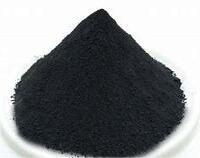
Titanium powder—often referred to as ti powder—isn’t your average metal dust. It’s a high-value engineered material driving innovation in aerospace, medical implants, defense, and even consumer electronics. Whether you’re looking to buy titanium powder for research or evaluating titanium powder for 3d printing, knowing its properties, forms, and market dynamics is essential.
2. What Is Titanium Powder?
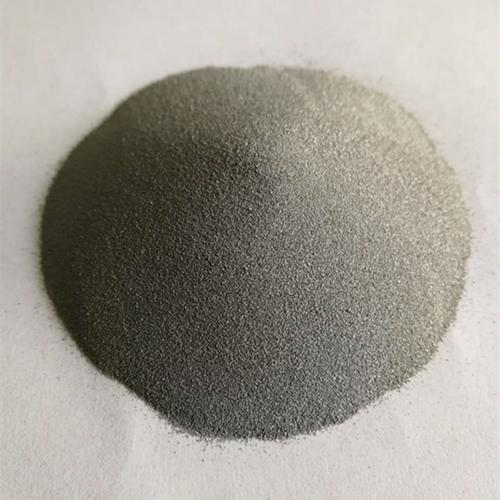
Titanium powder is a fine particulate form of titanium metal or its alloys. Unlike bulk titanium, which is dense and corrosion-resistant, titanium powder offers unique advantages in processing—especially when used in powder metallurgy or additive manufacturing. It comes in various grades, including pure titanium powder and alloyed versions like ti6al4v powder (also known as ti64 powder), the most widely used titanium alloy globally.
Common forms include gas atomized titanium powder (spherical, ideal for 3D printing) and hdh titanium powder (irregular shape, cost-effective for pressing and sintering). You might also encounter specialty variants like titanium nitride powder, titanium carbide powder, tib2 powder (titanium diboride powder), or even titanium flash powder—though the latter is highly reactive and used only in controlled pyrotechnic applications.
3. Key Types and Variants
Not all titanium powders are created equal. Here’s a quick breakdown of the most relevant types:
- Pure titanium powder: Used in chemical processing and biomedical applications where biocompatibility is critical.
- Ti6al4v powder: The workhorse of aerospace and medical 3D printing; known for high strength-to-weight ratio.
- Spherical titanium powder: Produced via plasma or gas atomization; flows smoothly in laser powder bed fusion machines.
- Tio2 powder and tio2 nano powder: These are titanium dioxide variants, not metallic—they’re used in sunscreens, paints, and catalysts, not structural parts.
- Titanium diboride powder and titanium boride powder: Extremely hard ceramics used in cutting tools and armor.
- Tih2 powder: Titanium hydride, often a precursor in powder production due to easier milling.

Note: Don’t confuse titanium metal powder with burnt titanium powder coat—that’s a surface finish, not a raw material.
4. Titanium Powder Uses Across Industries
The versatility of titanium powder is staggering. In aerospace, it enables lightweight, complex jet engine parts. In medicine, porous titanium 3d printing powder creates bone-friendly hip implants. Defense sectors use it for armor and drones, while energy companies explore it for hydrogen storage.
Additive manufacturing has been the biggest game-changer. Titanium powder additive manufacturing allows near-net-shape production with minimal waste—critical given titanium’s high cost. That’s why demand for titanium powder for 3d printing continues to surge, pushing suppliers to scale up spherical powder output.
Other niche uses include titanium coated diamond powder for polishing and titanium nanopowder in catalysis. However, always verify safety: some ultrafine titanium dust can be pyrophoric under certain conditions.
5. Pricing and Market Considerations
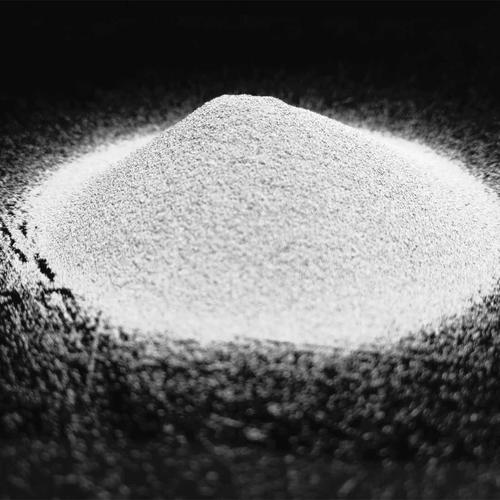
So, how much does titanium powder cost? The titanium powder price per kg varies wildly based on purity, particle size, morphology, and volume. As of mid-2024, standard gas atomized ti6al4v powder price ranges from $300 to $800 per kg, while pure titanium powder may start around $200/kg. In contrast, tio2 powder costs just a few dollars per kg—it’s a completely different product.
Factors affecting titanium powder price include production method (gas atomization is pricier than HDH), certification requirements (aerospace-grade demands rigorous testing), and global supply chains. International titanium powder markets are tightening due to export controls and rising demand, so buyers should vet reliable titanium powder suppliers carefully.
If you’re comparing costs, note that molybdenum powder and tungsten powder serve different purposes but often appear in similar high-temp applications. Molybdenum disulfide powder (mos2 powder) is a dry lubricant, while tungsten carbide powder is for wear-resistant coatings. Their prices—molybdenum powder price around $50–150/kg, tungsten powder price per kg from $30–100—reflect distinct market dynamics.
6. Where to Buy and What to Watch For
When you buy titanium powder, ensure your supplier provides full material data sheets, particle size distribution, oxygen content, and flowability metrics—especially for 3d printing titanium powder. Reputable sources include specialized metal powder producers and certified distributors offering titanium powder for sale with traceable quality control.
Beware of misleading listings: ‘titanium powder’ could refer to tio2 in cosmetics, not metal. Always confirm it’s titanium metal powder. Also, avoid unverified vendors selling ‘titanium flash powder’—it’s hazardous and often illegal without permits.
For industrial users, alternatives like molybdenum metal powder, tungsten metal powder, or even tzm powder (titanium-zirconium-molybdenum alloy) might complement titanium systems in extreme environments. Global tungsten & powders corporation and other major players dominate the refractory metal space, but titanium remains unmatched for strength-to-density performance.
7. Conclusion
Titanium powder is far more than just ground-up metal—it’s a cornerstone of next-generation manufacturing. From life-saving implants to fuel-efficient aircraft, its role keeps expanding. While titanium powder cost remains high, advances in recycling and production (like the recent EU flight demo) promise greater accessibility. Whether you’re sourcing ti powder for R&D or scaling up titanium powder additive manufacturing, staying informed on types, suppliers, and pricing trends is key to success.
Our Website founded on October 17, 2012, is a high-tech enterprise committed to the research and development, production, processing, sales and technical services of ceramic relative materials such as What. Our products includes but not limited to Boron Carbide Ceramic Products, Boron Nitride Ceramic Products, Silicon Carbide Ceramic Products, Silicon Nitride Ceramic Products, Zirconium Dioxide Ceramic Products, etc. If you are interested, please feel free to contact us.