1. Introduction
In the past 48 hours, global additive manufacturing leaders have announced expanded partnerships to scale up production of spherical titanium powder for next-generation jet engines—a move driven by surging demand in defense and commercial aviation. This development underscores just how critical titanium powder has become in cutting-edge engineering.
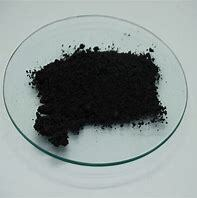
Titanium powder isn’t your average metal dust. Known for its strength-to-density ratio, corrosion resistance, and biocompatibility, it’s a cornerstone material in industries ranging from aerospace to biomedical implants. But with so many variants—like pure titanium powder, Ti6Al4V (also called Ti64), and even exotic composites like titanium diboride—it’s easy to get overwhelmed. Let’s break it all down.
2. What Is Titanium Powder?
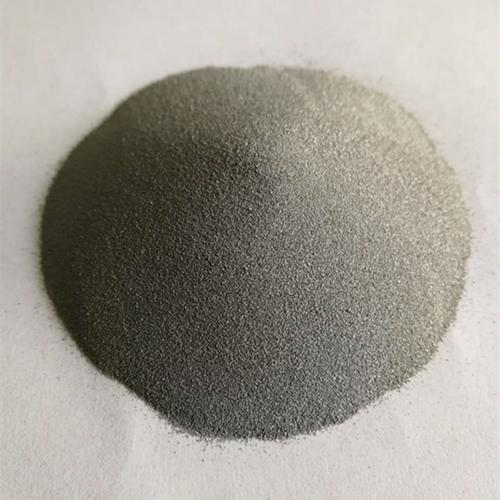
Titanium powder refers to finely divided particles of titanium metal or its alloys. Unlike bulk titanium, which is notoriously hard to machine, powder form enables advanced processing techniques like additive manufacturing (3D printing), metal injection molding, and powder metallurgy.
Common forms include gas atomized titanium powder (spherical, ideal for 3D printing) and HDH (Hydride-Dehydride) titanium powder (irregular shape, used in pressing and sintering). You’ll also hear terms like titanium dust or burnt titanium powder coat—but these often refer to byproducts or surface residues, not engineered powders.
3. Types of Titanium Powder and Their Uses
3.1 Pure Titanium Powder and Alloys
Pure titanium powder (Grade 1 or 2) is used where maximum corrosion resistance is needed, such as chemical processing equipment. However, most high-stress applications rely on titanium alloy powder—especially Ti6Al4V powder (Ti64), which contains 6% aluminum and 4% vanadium. This alloy dominates the market for titanium powder for 3D printing due to its excellent mechanical properties and weldability.
3.2 Specialty Titanium Powders
Beyond standard grades, niche powders serve specialized roles:
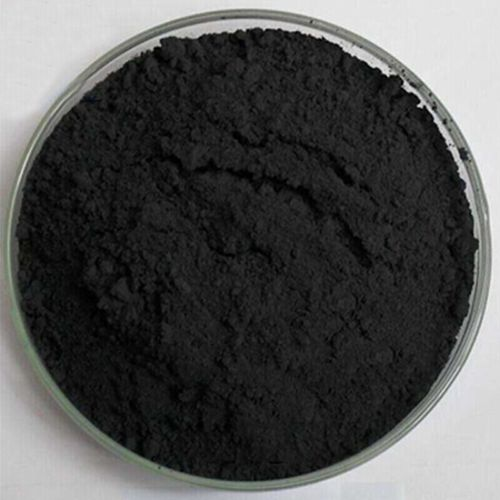
- Titanium nitride powder and titanium carbide powder are ultra-hard ceramics used in coatings and cutting tools.
- TiB2 powder (titanium diboride powder) and titanium boride powder offer high thermal conductivity and wear resistance.
- Titanium nanopowder and TiO2 nano powder are used in catalysis, sensors, and even sunscreens—though TiO2 powder (titanium dioxide) is chemically distinct from metallic titanium powder.
- Titanium flash powder is a pyrotechnic mix, not used industrially but sometimes confused with metal powders.
- Titanium coated diamond powder enhances grinding tools for superalloys.
3.3 Titanium Powder for Additive Manufacturing
Additive manufacturing has revolutionized titanium use. Spherical titanium powder flows smoothly in laser or electron beam printers, enabling complex geometries unachievable with traditional methods. Demand for titanium 3D printing powder is soaring, especially in medical implants and lightweight aerospace parts.
4. Pricing and Market Considerations
4.1 Understanding Titanium Powder Price
The titanium powder price per kg varies widely based on purity, particle size, morphology, and alloy type. Pure titanium powder might cost $100–$200/kg, while high-quality Ti6Al4V powder for 3D printing can exceed $300–$500/kg. Factors influencing titanium powder cost include production method (gas atomization is pricier than HDH), certification requirements (e.g., ASTM standards), and order volume.
When you see ‘titanium powder for 3D printing price’ quoted online, always verify if it includes testing reports, oxygen content data, and flowability metrics—critical for print success.
4.2 Where to Buy and Key Suppliers

Reputable titanium powder suppliers include international titanium powder producers like VSMPO-AVISMA, Allegheny Technologies, and Carpenter Technology. If you’re looking to buy titanium powder, ensure the supplier provides traceability, consistent particle size distribution, and compliance with industry specs. Beware of vague listings for ‘titanium powder for sale’ without technical data sheets.
5. Related Advanced Metal Powders: Molybdenum and Tungsten
While titanium leads in lightweight strength, molybdenum powder and tungsten powder dominate extreme environments.
Molybdenum metal powder (often called moly powder) is valued for its high melting point and thermal stability. Variants like molybdenum disulfide powder (MoS2 powder) serve as dry lubricants, while TzM powder (titanium-zirconium-molybdenum) is used in furnace components. Molybdenum powder price typically ranges from $30–$80/kg depending on purity.
Tungsten powder—sometimes called wolfram powder—is the densest common metal powder (density ~19.3 g/cm³). Used in radiation shielding, filaments, and wear-resistant parts, it comes as pure tungsten powder, spherical tungsten powder, or fused tungsten carbide powder. Global Tungsten & Powders Corporation is a major player in this space. Tungsten powder price per kg can range from $40 to over $100, with tungsten carbide powder commanding premium rates due to hardness and durability.
6. Safety and Handling Notes
Fine titanium metal powder can be pyrophoric—meaning it may ignite spontaneously in air under certain conditions. Always store in inert atmospheres and follow OSHA guidelines for handling titanium dust. Similarly, tungsten dust and molybdenum carbide powder require proper ventilation and PPE.
7. Conclusion
From life-saving implants to hypersonic aircraft, titanium powder is quietly powering the future. Whether you’re evaluating titanium powder uses, comparing ti powder price quotes, or exploring alternatives like molybdenum or tungsten powders, understanding material properties and supplier reliability is key. As additive manufacturing scales globally, access to high-quality, certified titanium powder will only grow more strategic.
Our Website founded on October 17, 2012, is a high-tech enterprise committed to the research and development, production, processing, sales and technical services of ceramic relative materials such as What. Our products includes but not limited to Boron Carbide Ceramic Products, Boron Nitride Ceramic Products, Silicon Carbide Ceramic Products, Silicon Nitride Ceramic Products, Zirconium Dioxide Ceramic Products, etc. If you are interested, please feel free to contact us.