1. Introduction
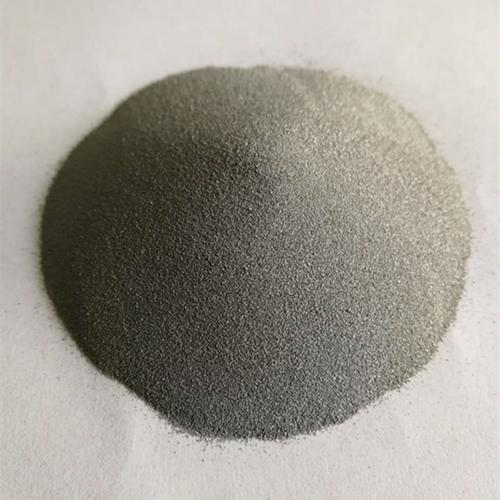
Imagine a material so strong it can survive the fiery throat of a jet engine, yet light enough to let surgeons print custom hip implants that bond seamlessly with human bone. That’s not sci-fi—it’s titanium powder doing its quiet, metallic magic behind the scenes. Forget powdered sugar (yes, some contain TiO2, but that’s another story); we’re talking about the real heavy-hitter: titanium metal powder engineered for extreme performance.
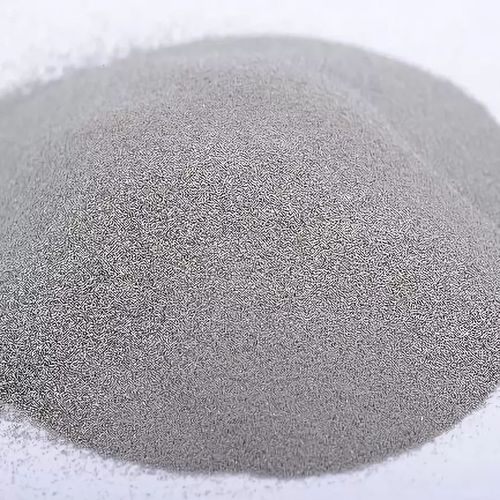
From gas atomized titanium powder whizzing through aerospace supply chains to HDH titanium powder enabling affordable orthopedic breakthroughs, this niche material is anything but ordinary. And no, you can’t just scrape burnt titanium powder coat off your bike handlebars and call it a day. Let’s unpack where titanium powder truly shines—and why its price per kg might make your wallet wince.
2. Titanium Powder in Additive Manufacturing: Where Sci-Fi Meets Surgery
2.1. The Rise of Titanium 3D Printing Powder
Additive manufacturing—fancy talk for 3D printing—has turned titanium powder into a superstar. Specifically, titanium powder for 3D printing must meet exacting standards: high purity, consistent particle size, and often spherical morphology to ensure smooth flow in printers. Enter spherical titanium powder, the gold standard for laser powder bed fusion machines.
Pure titanium powder works for some biomedical uses, but most high-performance parts demand alloys. That’s where ti6al4v powder (also known as ti64 powder) dominates. This titanium alloy powder offers the perfect cocktail of strength, corrosion resistance, and biocompatibility—making it ideal for everything from dental implants to drone frames.
2.2. Price Tags That Reflect Performance
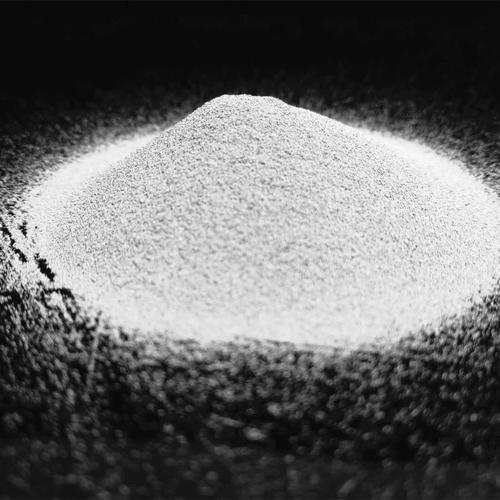
Let’s talk numbers. The titanium powder for 3D printing price isn’t cheap. Depending on grade, particle size distribution, and supplier, titanium metal powder price can range from $300 to over $800 per kg. Ti6Al4V powder price sits at the higher end due to complex processing and stringent quality control. Compare that to molybdenum powder or tungsten powder—both used in high-temp applications—but titanium’s unique combo of lightness and strength keeps demand soaring.
If you’re wondering ‘how much does titanium powder cost?’—it depends. Gas atomized titanium powder costs more than HDH (hydride-dehydride) titanium powder because the former yields smoother, more uniform particles essential for precision printing. Always check with a reputable titanium powder supplier before hitting ‘buy titanium powder’ online; counterfeit or contaminated batches can ruin an entire print run.
3. Beyond Bones and Jets: Niche Uses That Surprise Even Engineers
3.1. Titanium Diboride and Other Exotic Derivatives
While titanium metal powder grabs headlines, its cousins—like titanium diboride powder (TiB2), titanium carbide powder, and titanium nitride powder—are stealth players in advanced ceramics and wear-resistant coatings. TiB2 powder, for instance, is used in aluminum smelting crucibles thanks to its insane hardness and thermal stability. And yes, there’s even titanium boride powder for specialized armor composites.
Don’t confuse these with tio2 nano powder (titanium dioxide), which is common in sunscreens and paints. Though both stem from titanium, their applications diverge wildly. TiO2 won’t help you 3D-print a turbine blade—but it might keep your nose from burning at the beach.
3.2. What Not to Do With Titanium Dust
A word of caution: titanium dust is no joke. Fine titanium powder can be pyrophoric—meaning it ignites spontaneously in air under certain conditions. That’s why ‘titanium flash powder’ (a mix sometimes used in pyrotechnics) should only be handled by professionals with serious safety protocols. DIY experiments? Save them for baking soda volcanoes.
Also, despite urban myths, you can’t just ‘powder coat titanium’ like you would steel. Titanium’s oxide layer makes adhesion tricky, and standard powder coating processes often fail without special surface prep. So if you’re trying to remove powder coat from titanium handlebars, good luck—you’ll likely need chemical stripping or abrasive blasting.
4. The Global Supply Chain: From Mine to Machine
The journey of international titanium powder starts with ore (usually ilmenite or rutile), moves through energy-intensive Kroll or FFC Cambridge processes, and ends in vacuum-sealed containers shipped to labs and factories worldwide. Reputable titanium powder suppliers adhere to ASTM or ISO standards, especially for medical-grade ti6al4v powder.
Meanwhile, alternatives like tih2 powder (titanium hydride) offer lower-cost routes for some applications but require careful dehydrogenation before use. And while you might see listings for ‘titanium powder for sale’ on obscure websites, always verify certifications—especially if your application involves human lives or million-dollar jet engines.
5. Bonus Round: Molybdenum and Tungsten Powders—Titanium’s High-Temp Siblings
Though not titanium, molybdenum powder and tungsten powder often share the stage in extreme environments. Molybdenum disulfide powder (MoS2 powder) serves as a dry lubricant in space mechanisms, while tungsten carbide powder reinforces cutting tools. Both command premium prices—tungsten powder price per kg hovers around $30–$60, far less than titanium—but they lack titanium’s biocompatibility and strength-to-density ratio.
Specialty blends like TZM powder (titanium-zirconium-molybdenum) or molybdenum disilicide powder push performance further, yet titanium remains unmatched where weight savings are critical. After all, no airline wants to lug extra tungsten weight across the Pacific.
6. Conclusion
Titanium powder isn’t your average industrial commodity. Whether it’s enabling patient-specific spinal cages via titanium powder additive manufacturing or helping hypersonic vehicles withstand re-entry heat, its niche applications are anything but small-time. Sure, the titanium powder cost might sting, and sourcing pure, spherical, certified batches requires diligence—but for engineers pushing boundaries, there’s simply no substitute. Just remember: leave the titanium flash powder to the pros, and maybe stick to TiO2 in your soapmaking.
Our Website founded on October 17, 2012, is a high-tech enterprise committed to the research and development, production, processing, sales and technical services of ceramic relative materials such as Why. Our products includes but not limited to Boron Carbide Ceramic Products, Boron Nitride Ceramic Products, Silicon Carbide Ceramic Products, Silicon Nitride Ceramic Products, Zirconium Dioxide Ceramic Products, etc. If you are interested, please feel free to contact us.